


What happened?
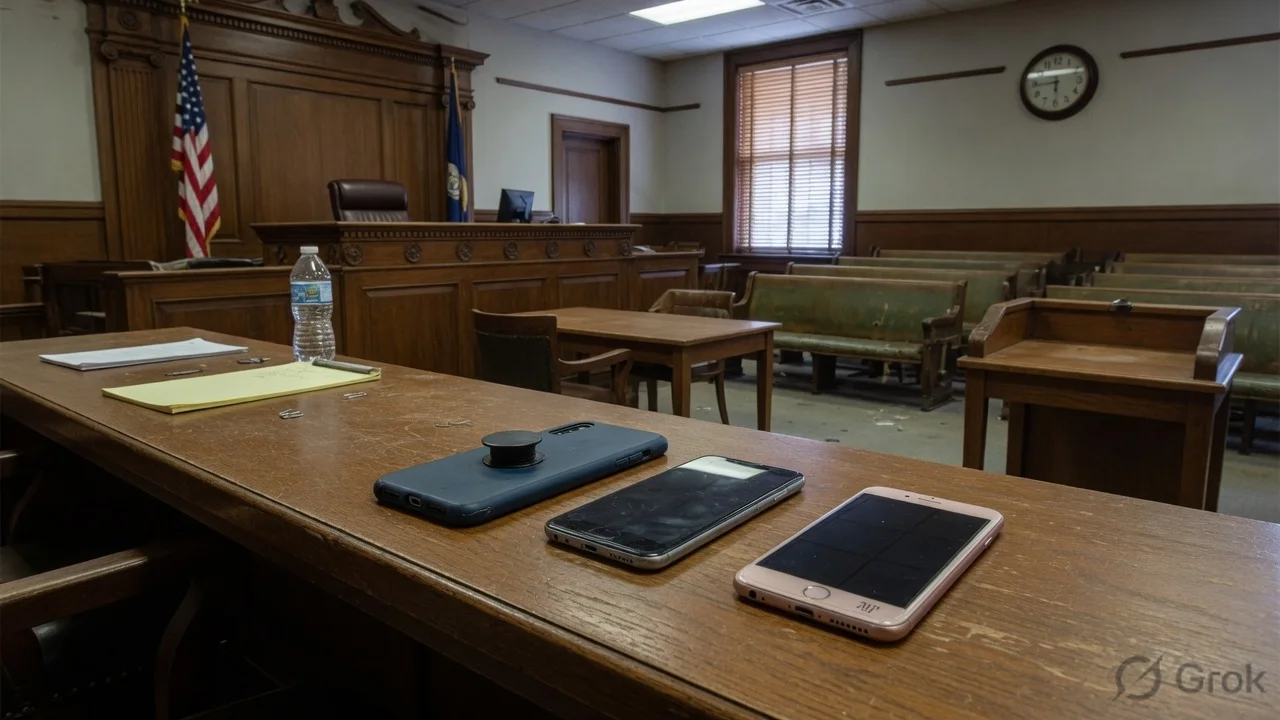
Earlier this month, YouTube, Snap (the owner of Snapchat) and TikTok’s parent company ByteDance reached settlement agreements in a federal lawsuit that was slated for trial in June. The case, filed by a group of parents and teachers, claimed the platforms’ design tricks – endless scroll, autoplay, push notifications – deliberately hooked teenagers and disrupted classroom learning across the US.
Instead of a courtroom showdown, the three companies opted to settle for undisclosed amounts and, more importantly, to adopt a set of “design‑change” commitments. The settlement does not admit any wrongdoing, but it does bind the firms to a roadmap that includes limiting autoplay, adding clearer usage timers and providing more parental‑control tools.
Key points of the settlement
- Autoplay limits: YouTube will cap autoplay for users under 18 after a single video, unless the user manually re‑enables it.
- Screen‑time reminders: All three platforms must display a daily usage summary and a prompt when a user exceeds a set limit.
- Parental dashboards: New dashboards will let parents set daily caps, view watch history and block specific content categories.
- Design audit: An independent tech‑ethics firm will review the apps’ UI/UX every 12 months for “addictive features”.
Why this matters for India
India has the world’s largest TikTok‑like user base, with Instagram Reels, YouTube Shorts and Snapchat gaining traction among school‑goers. A 2023 survey by the Ministry of Education showed that 68% of Class‑10 students spend more than three hours a day on short‑form video apps, and teachers report a dip in homework completion.
While the US settlement doesn’t have legal force here, the commitments set a precedent. Indian regulators, including the IT Ministry and the Telecom Regulatory Authority of India (TRAI), have been eyeing stricter “digital well‑being” rules. If the US firms stick to the roadmap, Indian parents could soon see similar parental‑control features rolled out in the local app versions.
What Indian users can do right now
- Open the app’s
Settings→Digital Well‑Being(or similar) and enable the built‑in screen‑time tracker. - Set a daily limit – most apps let you choose 30, 60 or 90 minutes.
- Use the “Family Link” or “Screen Time” feature on Android/iOS to enforce the limit across devices.
- Talk to your kids about why these limits exist – a short conversation can reduce friction.
TamilTech’s take
We think the settlement is a win‑win for the industry and the users. The platforms get to avoid a costly trial, and they gain a public‑relations boost by showing they care about mental health. However, the real test will be in the implementation. Past promises – like YouTube’s “Take a Break” reminders – were easy to ignore. The upcoming independent audit could be a game‑changer if it’s truly transparent.
For Indian parents, the news is a reminder that digital habits need to be managed now, not later. With the upcoming Digital Media Ethics Bill, we might see mandatory on‑device timers and stricter age‑verification in 2025.
What’s next?
The settlement documents will be filed with the US District Court next week, and the tech‑ethics firm will release its first audit report by early 2025. Keep an eye on the app update logs – you’ll likely see the new parental‑dashboard roll‑out in the next quarter.
In the meantime, stay proactive: use the tools already available, set household rules for device‑free study hours, and keep the conversation going. The battle against digital distraction is just beginning, and it’s one we all have to fight together.





Comments (0)
Be the first to comment!