


Key Takeaways
- OpenAI CEO Sam Altman, Anthropic CEO Dario Amodei, xAI-யின் Elon Musk ஆகியோர் frontier AI-க்கு தெளிவான அரசு மேற்பார்வை வேணும்னு 2026-ல பகிரங்கமா சொல்லிக்கிட்டு இருக்காங்க.
- அமெரிக்க ஜனாதிபதி Donald Trump மற்றும் பிளவுபட்ட Congress sweeping federal AI Act-ஐ emergency-யா பாக்காமல் அவசரம் காட்டலை.
- இந்தியா இன்னும் draft guidelines மற்றும் IndiaAI Mission-ல தான் ஓடுது; முழுமையான AI சட்டம் இன்னும் இல்லை.
- US policy tone இந்திய IT firms மற்றும் SaaS startups-க்கு cloud pricing, model access, compliance செலவுகளை நேரடியா பாதிக்கும்.
- Deepfake ஆபத்து, hiring automation, UPI fraud detection மாதிரி விஷயங்கள் இந்த regulation gap-ஐ இந்திய users-க்கு live issue ஆக்குது.
என்ன நடக்குது பாருங்க
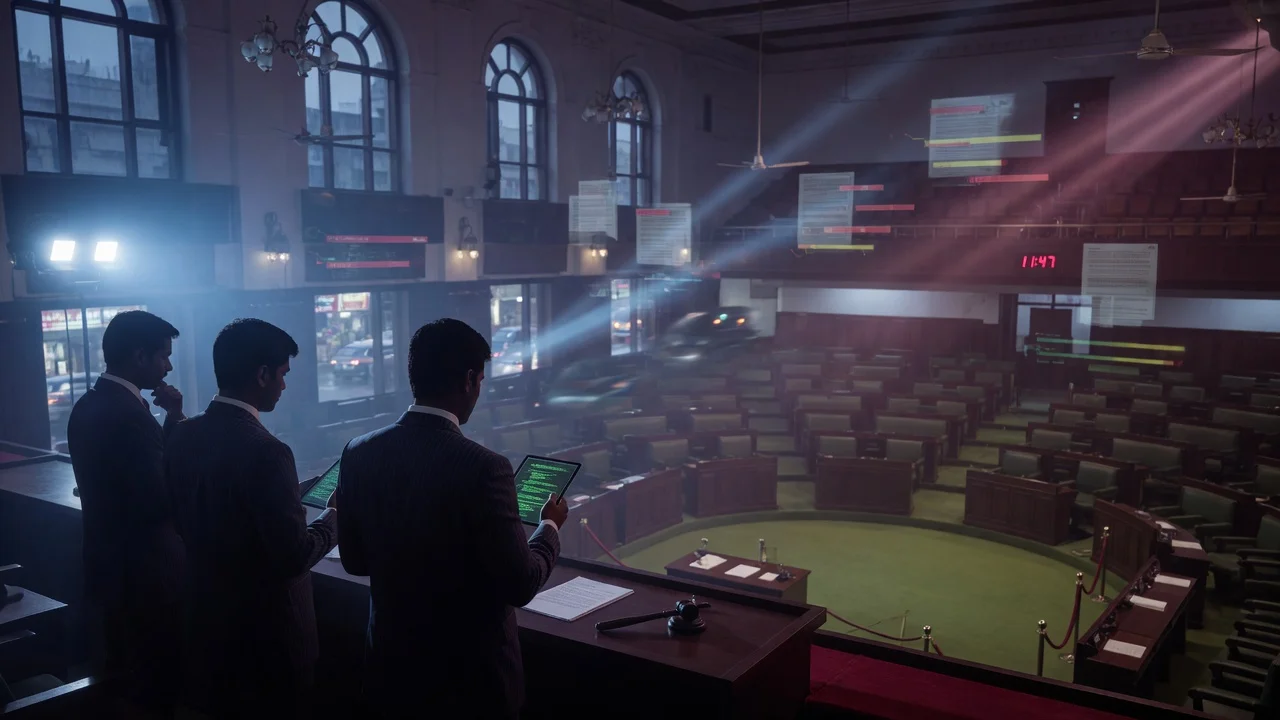
AI உலகில் மிகப் பவர்ஃபுல்லான models உருவாக்கும் அதே பேர், அரசாங்கத்துக்கு விதிகள் போடுங்கன்னு சொல்லிக்கிட்டு இருக்காங்க. இது சாதாரண விஷயம் இல்ல. Anthropic-ஐ நடத்தும் Dario Amodei, OpenAI-யின் Sam Altman, xAI-யின் Elon Musk எல்லாரும் ஒரே மாதிரி சொல்றாங்க. Frontier systems-க்கு தெளிவான oversight வேணும். அடுத்த பெரிய capability jump consumer apps-லயும் enterprise stacks-லயும் வரும் முன்னே இதை செய்யணும்னு அவங்க வாதம்.
மறுபக்கம் என்ன? White House-ல President Donald Trump இருக்காரு. Administration-உம் பல lawmakers-உம் heavy federal AI statute-ஐ emergency-யா பாக்கலை. Industry-friendly குரல்கள் rushed rules China-க்கு edge கொடுத்து US startups-ஐ choke பண்ணும்னு சொல்றாங்க. Safety-first குரல்கள் காத்திருப்பதுதான் உண்மையான ஆபத்துனு சொல்றாங்க. இந்த இழுபறிதான் இப்போ கதை.
இந்திய readers-க்கு இது தூரத்து drama இல்ல
US model labs தான் Jio phones-ல ஓடும் chatbots, Flipkart மாதிரி marketplaces-ல recommendation engines, TCS மற்றும் Infosys delivery centres-ல copilots-ஐ power பண்ணும் default APIs-ஐ set பண்றாங்க. Washington stall பண்ணா அல்லது soften பண்ணா, global compliance baseline fuzzy-வா இருக்கும். இந்திய boards இன்னும் எவ்வளவு hard-ஆ safety reviews push பண்ணனும்னு decide பண்ணணும்.
Cloud pricing மாறும். Model access terms மாறும். Compliance செலவு கூடும். SaaS startups-க்கு இது நேரடி hit. பெரிய IT firms-க்கும் delivery contracts-ல risk clauses மாறும். Deepfake ஆபத்து இந்திய politics-லயும் cinema-லயும் ஏற்கனவே பேசுபொருள். Hiring automation tools bias பண்ணினா labour issues வரும். UPI fraud detection systems AI-ஐ அதிகம் use பண்றதுனால, liability தெளிவா இல்லாட்டி banks மற்றும் fintechs தடுமாறும். அதனால இந்த US gap இந்திய users-க்கு live issue.
CEO calls எல்லாம் ஒரே மாதிரி இல்ல
சிலர் largest training runs-க்கு licensing focus பண்றாங்க. அதாவது ஒரு பெரிய model-ஐ train பண்ணும்போது எவ்வளவு compute use பண்றாங்கன்னு அரசு license வாங்கணும்னு சொல்றாங்க. மற்றவர்கள் clearer liability கேக்குறாங்க. உதாரணமாக ஒரு model hallucinate பண்ணி harmful advice கொடுத்தா, அல்லது deepfake audio பரவினா யார் பொறுப்பு?
Voluntary commitments மட்டும் போதாதுன்னு recurring theme. Competitive pressure spike ஆகும்போது அது பிடிக்காது. State bright lines draw பண்ணனும். அப்பதான் responsible labs-ஐ வேகமா dirty-ஆ ship பண்றவங்க undercut பண்ண முடியாது. இதுதான் அவங்க பொதுவான புள்ளி.
Trump camp என்ன சொல்றாங்க
Trump-ன் camp aggressive federal mandates-ஐ American AI leadership-க்கு threat-ஆ frame பண்றாங்க. Preference என்ன? Lighter federal touch, state-level experimentation, export மற்றும் compute advantages intact வைக்கிறது. China competition-ஐ முன்னிறுத்தி, heavy rules US labs-ஐ slow பண்ணும்னு வாதம் வைக்குறாங்க.
Congress party lines-லயும் tech-friendly vs labour-and-safety blocs-லயும் split ஆயிருக்கு. 2026-ல sweeping federal AI Act அவசரமா வர வாய்ப்பு குறைவுனு தெரியுது. State-level rules சில இடங்களில் வரலாம். ஆனா national baseline fuzzy-வாவே இருக்கும்.
இந்தியாவில் என்ன ஓடுது
இந்தியாவில் முழுமையான AI சட்டம் இன்னும் இல்லை. Draft guidelines மற்றும் IndiaAI Mission தான் முக்கிய வழி. Responsible AI principles பேசப்படுது. ஆனா licensing, liability, compute reporting மாதிரி hard rules இன்னும் settle ஆகலை. அதனால US-ல என்ன tone set ஆகுதோ, அது இந்திய firms-ன் global contracts-லயும் reflect ஆகும்.
Jio ecosystem-ல AI features அதிகமா வருது. Flipkart recommendation engines US models-ஐ touch பண்றது. TCS, Infosys மாதிரி companies enterprise copilots deliver பண்றது. Compliance cost உயர்ந்தா client billing மாறும். Startups-க்கு fundraising-லயும் safety narrative முக்கியமா ஆகும். Boards இப்போவே internal safety reviews harden பண்ண ஆரம்பிச்சா நல்லது.
இந்த gap ஏன் இந்திய users-க்கு matter பண்றது
Deepfake videos politics-லயும் personal revenge cases-லயும் அதிகமாயிருக்கு. Clear liability இல்லாட்டி platform-உம் user-உம் தடுமாறுவாங்க. Hiring automation tools resume shortlist பண்ணும்போது bias வந்தா labour disputes வரும். UPI fraud detection AI models false positive கொடுத்தா ordinary users account freeze ஆகும். இதெல்லாம் regulation gap-ன் நேரடி விளைவு.
US labs voluntary commitments மட்டும் வச்சுக்கிட்டா, இந்திய regulators-க்கும் pressure கூடும். ஆனா அதே நேரம் over-regulation innovation-ஐ slow பண்ணக்கூடாதுனு IndiaAI Mission tone-லயும் இருக்கும். Balance தேவை.
எதிர்கால outlook
2026-ல US-ல sweeping federal AI Act அவசரமா வர வாய்ப்பு குறைவு. Trump Administration lighter touch prefer பண்றது தெளிவு. Congress split. அதனால global baseline fuzzy-வாவே இருக்கும். இந்திய IT firms மற்றும் SaaS startups cloud contracts, model access terms, compliance budgets-ஐ இப்போவே review பண்ணணும்.
Frontier capability jump வரும்போது consumer apps-லயும் enterprise-லயும் risk கூடும். அப்பதான் liability questions உச்சம் தொடும். Responsible labs bright lines கேக்குறது புரியும். ஆனா political will இல்லாட்டி rules delay ஆகும். இந்திய boards internal standards harden பண்ணி, client contracts-ல safety clauses சேர்த்து, deepfake மற்றும் fraud use-cases-க்கு extra monitoring வச்சுக்கணும். அதுதான் practical next step.
சுருக்கம்னா: Tech CEOs oversight கேக்குறாங்க. Trump-உம் Congress-உம் rush பண்ணலை. இந்தியா draft stage-ல இருக்கும்போது US tone நேரடியா நம்ம cloud costs, model access, UPI fraud tools, hiring AI எல்லாத்தையும் பாதிக்கும். Fuzzy baseline-ஐ wait பண்ணாமல் இந்திய firms இப்போவே prepare ஆகணும்.

கருத்துகள் (0)
Be the first to comment!