


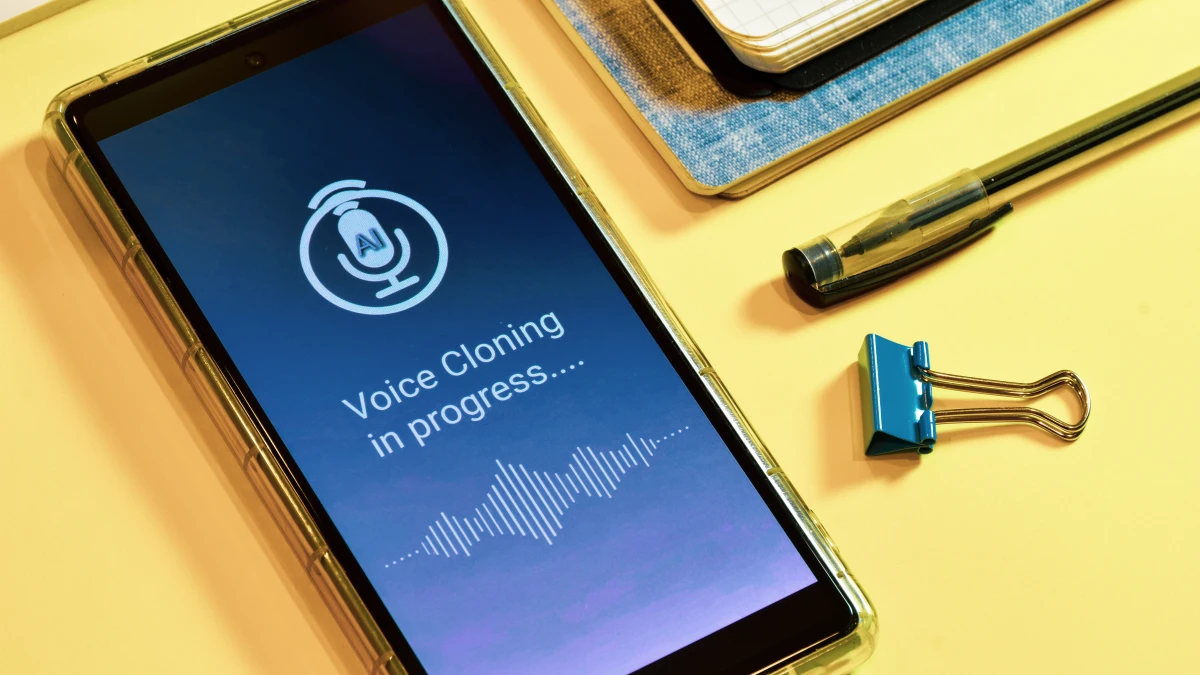
In what experts call the most terrifying scam of 2026, criminals are using AI voice cloning technology to create near-perfect replicas of people's voices and call their family members with fake emergencies. The technology has become so advanced that just 3 seconds of audio — from a social media video, YouTube clip, or even a phone greeting — is enough to create an 85% accurate voice clone.
The Alarming Numbers
| Statistic | Data |
|---|---|
| Voice cloning fraud growth | 680% increase in one year |
| Average loss per incident | $500,000+ (globally) |
| Audio needed to clone a voice | Just 3 seconds |
| Cost to create a deepfake | Less than $2 |
| Deepfakes seen by Indians daily | 4 per person |
| Global losses (Q1 2025 alone) | $200 million+ |
| Projected global losses by 2027 | $40 billion |
How AI Voice Clone Scams Work
Step 1: Harvesting Your Voice
Scammers scrape audio from:
- Your Instagram/Facebook Reels and videos
- YouTube videos or podcasts you've appeared in
- Corporate webinars or conference recordings
- Even your phone voicemail greeting
Step 2: Cloning Your Voice with AI
Using freely available AI tools, scammers create a voice clone in minutes. The technology has crossed the "indistinguishable threshold" — meaning most people cannot tell the difference between the real voice and the AI clone.
Step 3: The Emergency Call
Your family receives a frantic call that sounds exactly like you:
- "Mom, I've been in an accident — I need ₹5 lakhs immediately for the hospital"
- "Dad, I've been arrested abroad — please send money for bail"
- "Boss, please transfer the payment urgently — I'm in a meeting and can't do it myself"
Step 4: Panic Transfer
Overwhelmed by emotion and the urgency of the "voice" they recognize, family members transfer money before verifying.
Real Cases
- Arup (Global Engineering Firm): A finance worker was tricked into wiring $25 million using a deepfaked multi-person video conference featuring the CFO and senior executives
- USA — Family Emergency: Multiple parents received calls from what sounded like their child's voice begging for emergency help. The voices were generated from social media clips
- India — McAfee Report: 51% of Indians have lost money due to scam calls, averaging ₹93,915 per victim
How to Protect Your Family
1. Create a Family "Safe Word"
Agree on a secret code word that only real family members know. If someone calls claiming to be a family member in an emergency, ask for the safe word first. This is the single most effective defense.
2. Always Verify Through a Second Channel
If you receive an emergency call:
- Hang up and call the person back on their known number
- Send a WhatsApp message or text to verify
- Contact another family member to check
- NEVER transfer money based on a single phone call
3. Limit Voice Exposure Online
- Review privacy settings on social media — limit who can see your videos
- Consider removing or restricting voice/video content
- Be cautious about podcasts, webinars, and public speaking recordings
4. Educate Senior Family Members
Elderly parents and grandparents are the most vulnerable targets. Explain that AI can now perfectly mimic anyone's voice and to always verify before sending money.
Detection Tools
- Reality Defender — AI deepfake detection service
- Microsoft Video Authenticator — Deepfake likelihood scoring
- Google SynthID — Watermarking for AI-generated content
"It is now 'crazy' to rely on voiceprint authentication. AI-generated voices can easily bypass such systems." — Sam Altman, CEO, OpenAI (at Federal Reserve event)



Comments (0)
Be the first to comment!