


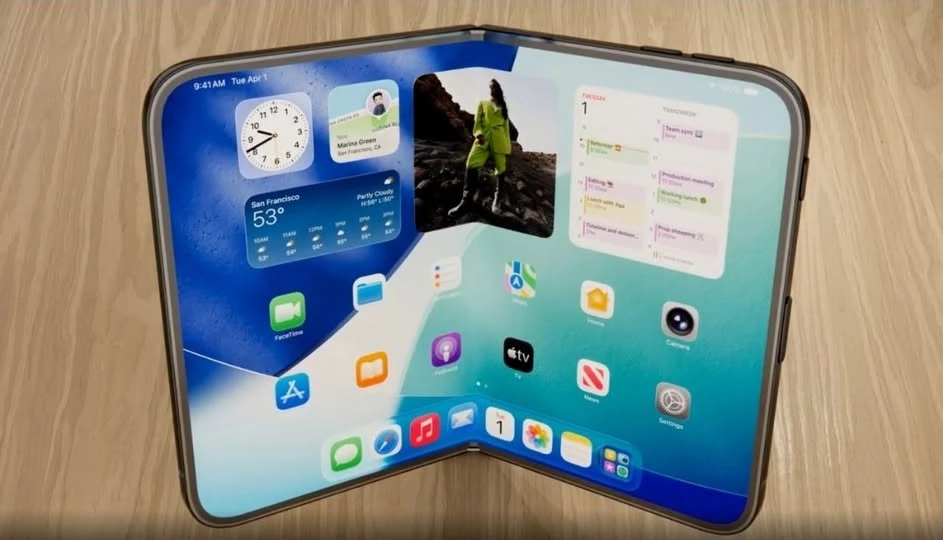
What just happened? The iPhone Fold is no longer a rumor, it’s in a factory
Apple’s much‑talked‑about iPhone Fold has officially taken the next big step: it’s entered trial production at Foxconn’s main assembly plant. Leakers Majin Bu (the X‑account that first posted cryptic images of a folded iPhone) and Instant Digital both tweeted today that the device is now being assembled in a “controlled batch” for verification testing. This means the prototype has moved from the design lab into the actual production line – a milestone that traditionally signals a product is 70‑80% of the way to market.
That’s huge for India because Apple’s premium segment has been waiting for a new “wow” factor. The iPhone Fold is expected to be announced alongside the iPhone 18 Pro lineup at Apple’s September event, but the actual shipping date may shift. If Apple sticks to the September announcement, the phone could still ship in October or November – right in the middle of the Diwali shopping frenzy, which is when 30‑plus % of India’s premium device sales happen.
Why the September launch is a big deal for India
India’s premium smartphone market has been booming. In FY 2025‑26, iPhone sales in India grew 28% YoY, driven by the iPhone 15 Pro series and aggressive financing options through Indian banks. A new product like the iPhone Fold, priced well above ₹1.5 lakh (estimated ₹1.8‑2.0 lakh for the base model), would naturally sit at the top of the festive‑season buying list. Retailers in Delhi, Mumbai, and Bengaluru already have 2026‑Q4 inventory plans that include a dedicated “foldable” shelf for Apple launches.
For many Indian consumers, the foldable factor is a status signal. Samsung’s Galaxy Z Fold 6 launched at ₹1.64 lakh and sold out fast in tier‑1 cities. Apple’s entry could reshape the price‑point expectations, especially if the company leverages its India‑made iPhone manufacturing ecosystem (Foxconn has a massive plant in Tamil Nadu that already assembles the iPhone 14‑15 series). If the iPhone Fold is also partially assembled in India, import duties could be reduced, making the final price a little more palatable.
Engineering challenges – the real story behind the delay
A Nikkei Asia report published this morning adds a dose of caution. While trial production is running, the report says Apple is still wrestling with “complex hinge dynamics” and “ultra‑thin glass durability” that have proven problematic in previous foldable attempts (think Samsung’s early Galaxy Fold models that suffered from visible creases and screen‑breakage).
Apple’s approach is different: it’s using a book‑style, horizontal fold, a 5.5‑inch outer display and a 7.8‑inch inner display with a 4:3 aspect ratio – more iPad‑like than the portrait‑fold design of most competitors. The company plans to use its Vision Pro display team to create a near‑crease‑free screen that can survive 300,000 folds. That’s ambitious, and the testing phase is where most delays happen. If the hinge doesn’t meet Apple’s strict tolerance or the ultra‑thin glass (targeted at around 4.5 mm when open) shows any signs of stress, Apple may push the mass‑production start from July to August or September, shifting the consumer launch into Q4 2026.
What we know about the specs
- Display: 5.5‑inch outer OLED (punch‑hole front camera) + 7.8‑inch inner 4K‑level OLED with 120 Hz refresh. Wide 4:3 aspect ratio, making it feel more like a small iPad when unfolded.
- Processor: A‑series chip (rumored A‑18 Bionic) built on a 3nm process, same as the iPhone 18 Pro.
- Camera: Dual‑camera system – 50 MP main sensor with OIS and an 8 MP ultra‑wide. No telephoto, no Face ID (Apple will likely use a side‑mounted Touch ID button).
- Battery: Around 5,200 mAh, with 20W wired fast charging and 15W MagSafe.
- Price: Expected ₹1.8‑2.0 lakh for the base model, with a premium “Pro” variant possibly crossing ₹2.5 lakh.
Production timeline
According to the TechNode article, trial production started early April 2026. Apple typically follows a two‑stage schedule: trial production (April‑June), then mass production (July‑August) if tests pass. The iPhone 18 Pro is slated for a September announcement, with shipments beginning in late September. If the iPhone Fold passes its trials, Apple could announce it on the same stage but delay shipments until October‑December, effectively turning the September event into a “preview” rather than a launch.
That timeline aligns with the Nikkei report’s warning that the flagship foldable could be delayed until the second half of the year, possibly December. For Indian consumers, that means missing the early Diwali sales blitz but still catching the post‑Diwali gifting wave (late November‑early December).
What this means for Indian buyers
1. Pricing matters. If Apple can keep the Foxconn‑India assembly line for the iPhone Fold, import duties could drop from 10% to 5%, shaving off ~₹10‑12 k from the price tag. That could make the foldable more competitive against Samsung’s high‑end models.
2. Availability will be limited at first. Apple’s rollout strategy for new form‑factors usually starts with a small batch for select retailers in Mumbai, Delhi, and Bengaluru. Expect long wait‑lists for the first few weeks.
3. Financing options will be critical. Indian banks already offer 0% EMI for iPhone 15 Pro purchases; similar schemes are likely for the Fold. Keep an eye on HDFC, SBI, and Axis for targeted offers.
Praveen’s quick take
The iPhone Fold is finally moving out of the rumor mill and into a real production line, which means the hype is justified – but Apple’s perfectionist engineering could still cause a delay. For Indian tech fans, the biggest win is still the potential for local assembly, which could make the premium price a bit more digestible. If you’re planning a Diwali gift, set a reminder for early October: you might be able to snag a pre‑order before the holiday rush, but be prepared for a waiting period if the hinge tests need more tweaking.
Bottom line: Apple is playing the long game. The September announcement will likely be a tease, with the actual handset arriving in Q4 2026. If you want the device, get in early on the pre‑order (once it opens), secure a financing plan, and hold on for the final launch. The foldable future in India has officially arrived – it just needs a few more polishing touches.



Comments (0)
Be the first to comment!