


Key Takeaways
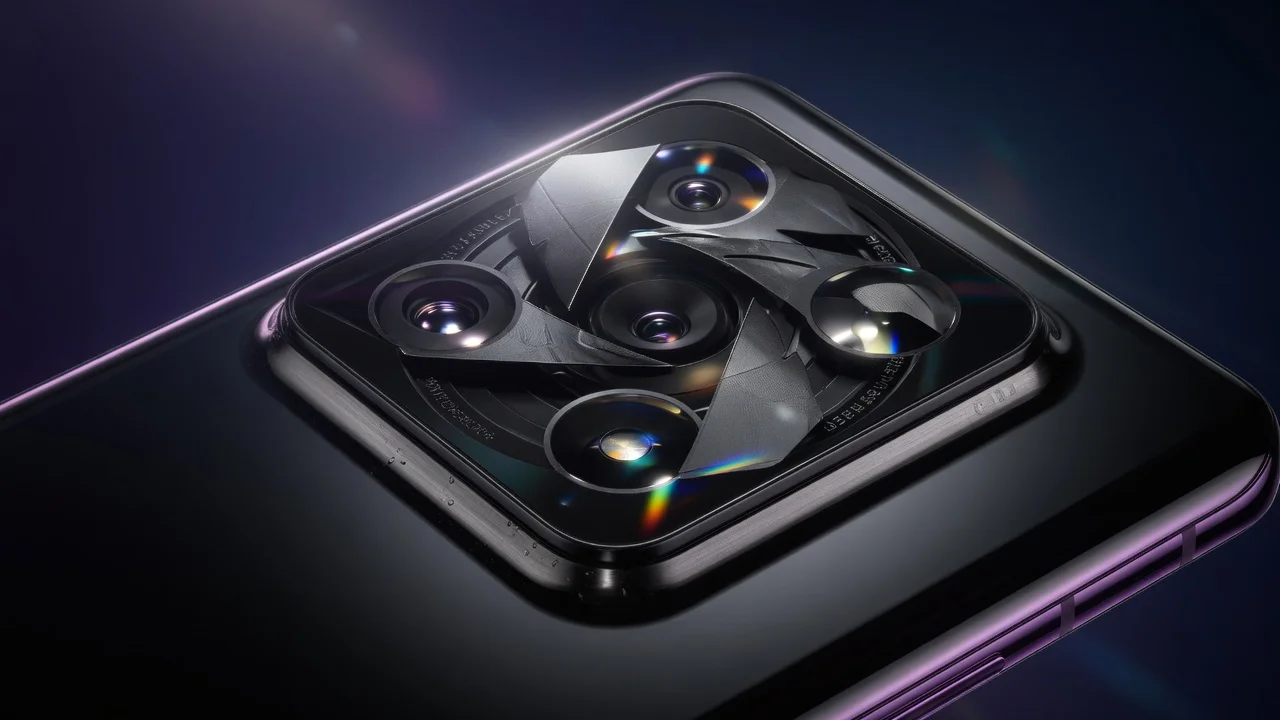
- iPhone 18 Pro and Pro Max get a 48MP main camera with a real physical variable aperture — a first for any iPhone.
- Four aperture settings let you control depth of field without relying solely on software bokeh.
- New Pro controls in the Camera app include a live histogram, manual shutter/ISO tweaks, and AI-powered subject tracking.
- Enhanced video features bring ProRes improvements and better low-light capture for creators.
- Expect India pricing well above Rs 1,40,000 for the Pro, with Flipkart and Apple BKC leading availability.
What's the news
Apple has finally done something many of us have been begging for since the Huawei Mate 50 series showed it off years ago — put a physical variable aperture on an iPhone. The iPhone 18 Pro and Pro Max, announced this September, ship with a 48MP main sensor that can mechanically change its aperture across four stops. That means you are no longer stuck with a fixed f/1.4 or f/1.8 situation and then faking everything else with computational blur.
Alongside the hardware shift, the Camera app itself has been reworked. Apple is calling the new interface Pro controls, and it brings a live histogram, manual exposure adjustments, AI-powered subject tracking, and a bunch of video-focused upgrades that matter if you shoot reels, weddings, or YouTube content from your phone.
This is arguably the biggest camera leap on a Pro iPhone since the move to 48MP on the 14 Pro. Let's break down what is actually new, what is marketing fluff, and whether Indian buyers should care.
Details
The variable aperture actually matters
For years, iPhone photography has been a computational story. Apple gave you a fixed aperture lens and then used the Neural Engine to simulate shallow depth of field. It worked, most of the time. But anyone who shot a portrait with fine hair strands, glasses, or a chain link fence knows the edges would often blur unnaturally.
The iPhone 18 Pro changes that. The main 48MP camera now has a mechanical variable aperture with four settings. You can shoot wide open for low light and creamy backgrounds, or stop down for sharper landscapes and group shots where you want everyone in focus. This is the kind of control DSLR and mirrorless shooters have had forever, and it genuinely changes how you approach a scene with a phone.
Apple is not disclosing exact f-stop values in the keynote in the usual way, but the four settings cover a practical range — from a bright wide-open mode for night scenes to a stopped-down mode for daylight landscapes. The key point is that the aperture blade physically moves, so the depth of field change is optical, not just a software filter slapped on top.
Pro controls in the Camera app
The Camera app on iPhone 18 Pro finally feels like it was designed for people who care about photography. The new Pro controls panel gives you access to:
- Live histogram — so you can see if you are clipping highlights or crushing shadows before you press the shutter, not after.
- Manual shutter speed and ISO — useful for long exposures, light trails, or freezing motion in tricky light.
- Focus peaking — a small but huge quality-of-life feature for macro and product shooters.
- White balance lock with Kelvin tuning — no more fighting the auto WB when shooting under mixed warm and cool lights.
These are the kinds of controls Android power users have had through third-party apps like Lightroom Mobile or ProCam for years. The difference is that Apple is building them into the native Camera app, which means better hardware integration and no lag between setting a value and the sensor responding.
AI-powered subject tracking
Apple's AI subject tracking on the iPhone 18 Pro is a step up from the basic person detection we have had. The system now locks onto a subject — a person, pet, or object — and keeps them in focus and properly exposed even as they move through the frame. Think of it as a mini version of the subject tracking you get on a Sony or Canon mirrorless, but running entirely on-device.
For Indian users shooting dance performances, street cricket, or kids running around, this is the kind of feature that quietly makes your clips usable. You spend less time tapping to refocus and more time actually capturing the moment.
Enhanced video features
Video has always been the iPhone's strong suit, and the 18 Pro pushes it further. ProRes recording gets improved bitrates and better thermal management, which means longer recording sessions without the phone throttling. Low-light video gets a meaningful bump thanks to the variable aperture letting in more light at the wide setting.
There is also better stabilization when shooting while walking, and the Cinematic mode now handles focus pulls more naturally. If you are a creator shooting Instagram Reels or YouTube Shorts, the iPhone 18 Pro is shaping up to be a genuine pocket production tool.
India impact
For Indian buyers, the iPhone 18 Pro and Pro Max will land at a premium. Based on Apple's recent India pricing pattern, expect the Pro to start somewhere around Rs 1,40,000 to Rs 1,50,000 for the base storage, with the Pro Max going higher. That is a lot of money, but the camera upgrades this year actually justify the spend if photography or content creation is your thing.
Availability will be through Apple's official channels — Apple Online, Apple BKC, Apple Saket, and Apple-authorized resellers — plus Flipkart and likely Amazon India for the online push. Expect bank offers from HDFC, ICICI, and Axis, plus the usual exchange bonuses on Flipkart that can knock Rs 10,000 to Rs 15,000 off if you trade in an iPhone 14 Pro or 15 Pro.
What makes the variable aperture interesting for the Indian market specifically is how we shoot. A huge chunk of Indian iPhone users care about portraits — festival outfits, wedding functions, family gatherings. The ability to control depth of field optically, rather than relying on software to guess where the hair ends and the background begins, is a real upgrade for the way we actually use our phones.
For creators in Tier 1 and Tier 2 cities who shoot with just a phone, the Pro controls and improved video pipeline mean you can produce cleaner content without buying a separate camera or rigging up gimbals and external apps. That is a meaningful democratization of pro-level tools.
Use cases
Wedding and festival portraits: The variable aperture lets you shoot wide for creamy bokeh during a sangeet or mehendi, then stop down for sharp group shots during a pooja. You are not fighting the software to get the depth right.
Street and travel photography: The live histogram and manual exposure controls mean you can nail exposure in high-contrast scenes — think Fort Kochi at noon or Chandni Chowk in the evening — without blowing highlights.
Reels and short-form video: AI subject tracking keeps your subject locked during movement, and the improved ProRes pipeline gives you cleaner footage for editing in DaVinci Resolve or Final Cut on a Mac.
Product and macro shots: Focus peaking and Kelvin white balance tuning make the iPhone 18 Pro a surprisingly capable tool for small business owners shooting product photos for Instagram or their own website.
Honest take
Here is the thing — Apple is late to variable aperture. Android brands, notably Huawei and Xiaomi, have played with this before. But Apple's execution is different because it pairs the hardware with a software pipeline that is genuinely usable by normal people, not just spec-sheet enthusiasts.
The four aperture settings, combined with Pro controls and a live histogram, make the iPhone 18 Pro the first iPhone that feels like a proper creative tool rather than a point-and-shoot with good computational smarts. If you are a casual user who just wants good auto photos, the iPhone 17 Pro or even 16 Pro will still serve you fine and save you serious money.
But if you are a creator, a photography enthusiast, or someone who has been frustrated by the iPhone's fixed-aperture limitations, the 18 Pro is the year to upgrade. The camera story here is not incremental — it is the biggest functional shift in how an iPhone camera works in years.
Just be ready for the India price tag. The tech is great, but it does not come cheap.




Comments (0)
Be the first to comment!