


Key Takeaways
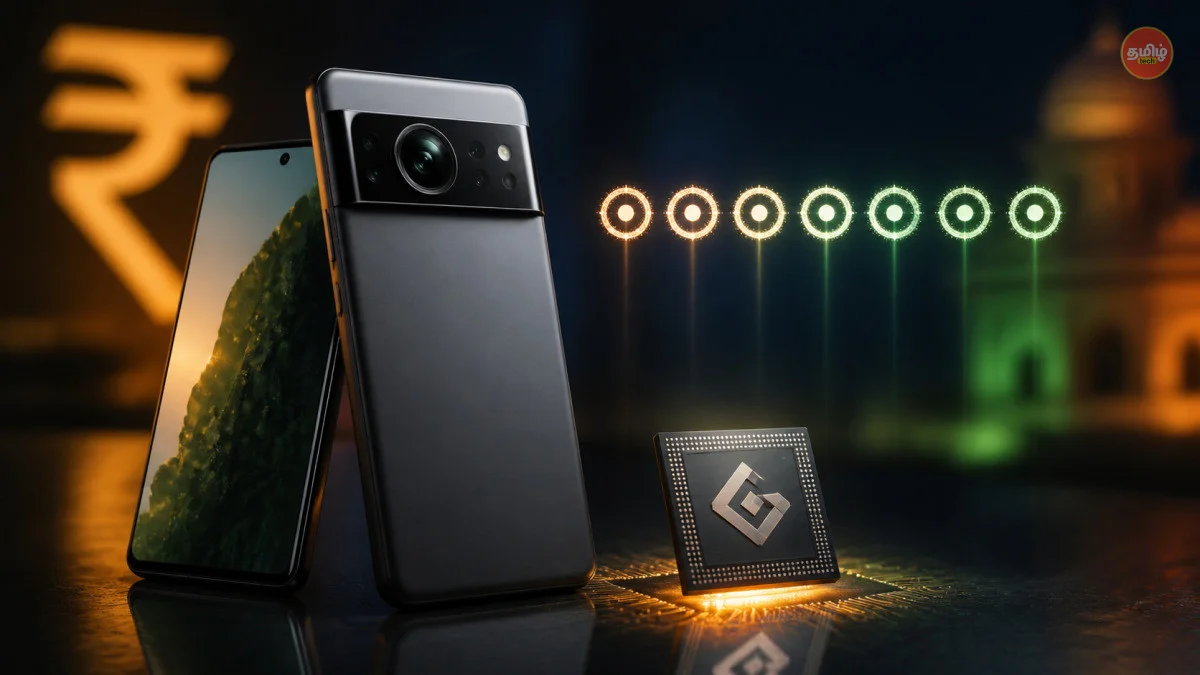
- Google Pixel 11 will feature the all-new Tensor G6 chip, manufactured using TSMC's 2nm process for better efficiency.
- The base Pixel 11 is expected to start at ₹79,999 in India, while the Pro XL model could cross the ₹1,25,000 mark.
- A massive camera upgrade is coming with a rumored 1-inch main sensor for the Pro models to compete with the latest flagships.
- Expect the official launch in October 2026 with 7 years of guaranteed OS and security updates.
The Pixel 11 Hype is Real
So, here we are again. It’s August 2026, and the tech world is buzzing with the latest leaks about the Google Pixel 11. If you've been following the Pixel journey for the last few years, you know the drill. Google makes the smartest phones, but they usually struggle with two things: heating and battery life. But this year, the leaks suggest that Google is finally listening. The Pixel 11 isn't just a minor refresh; it feels like the culmination of everything Google has been trying to achieve since they started the Tensor journey back in 2021. I've been looking at these leaked schematics and internal documents, and I have to say, this might be the year Google actually catches up to Samsung and Apple in terms of raw hardware reliability.
The big news isn't just about a faster processor or a prettier screen. It's about how the phone is built. For the first time, Google is moving away from its previous manufacturing partnerships and going all-in with TSMC. If you're a tech geek, you know that name. TSMC is the reason why iPhones and MacBooks are so efficient. By bringing that same manufacturing precision to the Pixel 11, Google is basically promising us a phone that won't turn into a pocket heater when you're recording 4K video or using 5G in the middle of a Chennai summer. Let's break down why this matters and what else is changing in the 2026 lineup.
The Tensor G6: Why This is a Game Changer
Let's talk about the heart of the machine: the Tensor G6. For years, Google's Tensor chips were built on Samsung's foundry. While they were great for AI, they were notorious for thermal throttling and modem issues. If you were on a long Zoom call or playing a heavy game, the phone would get uncomfortably warm. The Pixel 11 is set to change that narrative. The Tensor G6 is being built on a 2nm architecture. This is a massive jump from the 3nm and 4nm chips we've seen recently. A smaller nanometer count means more transistors packed into a tiny space, which leads to better performance and, more importantly, way less power consumption. This means your battery will actually last through a full day of heavy usage without you hunting for a charger by 4 PM.
But it's not just about efficiency. The Tensor G6 is designed specifically for Gemini 3.0. Google is leaning hard into on-device AI. We're talking about real-time video translation that doesn't need an internet connection, and a new "Magic Studio" feature that can literally recompose your photos using generative AI in seconds. The leak suggests that the NPU (Neural Processing Unit) inside the G6 is 40% faster than last year's Pixel 10. This means the AI isn't just a gimmick anymore; it's baked into every single interaction you have with the phone. From predicting who is calling you to automatically organizing your schedule, the Pixel 11 is shaping up to be the most "proactive" smartphone we've ever seen.
Camera Overhaul: The 1-Inch Sensor Dream
Google has always been the king of computational photography. They could take a mediocre sensor and make it look like a DSLR shot through software magic. But in 2026, the competition is fierce. Brands like Xiaomi and Vivo are putting massive 1-inch sensors in their phones, and Google can't just rely on software anymore. The leaked specs for the Pixel 11 Pro and Pro XL indicate that Google is finally jumping on the large-sensor bandwagon. We're looking at a new primary sensor that is significantly larger than what was on the Pixel 10. This will allow for natural bokeh and incredible low-light performance without the graininess we sometimes see in night mode shots.
The ultra-wide and telephoto lenses are also getting a bump. The leak mentions a 50MP periscope lens with 10x optical zoom on the Pro XL model. But the real kicker is the video. Google is reportedly introducing "Ultra HDR Video 2.0," which uses the Tensor G6 to process every single frame of a 4K 60fps video in real-time, matching the color science of their still photos. For content creators in India who rely on their phones for Reels and YouTube shorts, this is going to be a massive upgrade. No more jittery footage or weird skin tones under artificial lighting. Google is aiming for the video crown this year, and they might just take it from the iPhone 17.
India Impact: Pricing and Availability
Now, let's talk about the part that matters most to us: the price in India. Google has been getting serious about the Indian market lately, even starting local manufacturing for some models. However, because of the premium components and the expensive 2nm TSMC process, don't expect the Pixel 11 to be cheap. The leaks suggest the base Pixel 11 will start at ₹79,999. The Pixel 11 Pro might land around ₹1,09,999, and the top-end Pixel 11 Pro XL will likely be priced at ₹1,24,999. While these are high prices, Google usually offers aggressive bank discounts and exchange offers on platforms like Flipkart and Amazon India during the launch week.
The availability is expected to be much better this time. Since Google is now assembling phones in India, we might see the Pixel 11 hitting the shelves within days of the global announcement. This is a huge shift from a few years ago when we had to wait months for the latest Google flagship. Also, with the rise of 5G across India, Google has optimized the new modem in the G6 to work seamlessly with Jio and Airtel's latest standalone 5G bands. This means fewer call drops and faster data speeds even in crowded areas like railway stations or malls. If you're looking for a phone that is future-proof for the next 7 years, this is definitely the one to watch.
How It Compares: Pixel 11 vs. The Competition
In 2026, the smartphone market is more crowded than ever. You have the iPhone 17 series with its refined Apple Intelligence and the Samsung Galaxy S26 with its insane zoom capabilities. So, why choose the Pixel 11? It comes down to the user experience. While Samsung gives you a million features you might never use, and Apple keeps you locked in their ecosystem, the Pixel 11 offers the cleanest, most helpful version of Android. The "Call Screen" feature, which is finally fully functional in India, is a lifesaver against spam callers. The new "Gemini Live" integration means you can actually have a conversation with your phone to get things done.
However, there are some cons to consider. Despite the TSMC move, Google's charging speeds are still rumored to be capped at 45W. In a world where OnePlus and Xiaomi are offering 100W+ charging that fills your phone in 20 minutes, Google's "slow and steady" approach might frustrate some users. Also, the design hasn't changed drastically. If you were hoping for a fold-style transformation or a completely new look, the Pixel 11 looks very similar to its predecessor. It’s an evolution, not a revolution, in terms of aesthetics. But as they say, if it ain't broke, don't fix it. The iconic camera bar is here to stay, just slightly more refined and flush with the body.
The Verdict: Should You Wait?
My honest take? If you are currently using a Pixel 9 or a Pixel 10, the jump to the 11 might not feel massive unless you really care about the battery efficiency and the new AI video features. But, if you are on an older device like a Pixel 7 or an older iPhone, the Pixel 11 is going to feel like magic. The switch to TSMC for the Tensor G6 is the biggest hardware upgrade Google has ever done. It solves the number one complaint users have had for years. This is the first time I can confidently say that a Pixel phone will be able to compete with the iPhone in terms of pure longevity and thermal stability.
We expect Google to host its "Made by Google" event in early October 2026. Until then, take these leaks with a grain of salt, but the consistency of these reports suggests they are very close to the truth. Keep an eye on our channel and website for the first unboxing and full review as soon as we get our hands on a retail unit. The Pixel 11 is shaping up to be the smartest phone of 2026, and we can't wait to see if it lives up to the hype in the real world.





Comments (0)
Be the first to comment!