Key Takeaways#
- Apple and OpenAI's legal battle centers on device integration and AI capabilities
- The conflict could affect millions of iPhone users in India
- Regulatory scrutiny intensifies as tech giants clash over AI dominance
- Indian users might see delayed AI features on Apple devices
- The outcome could reshape mobile AI landscape in the coming years
What's the news#
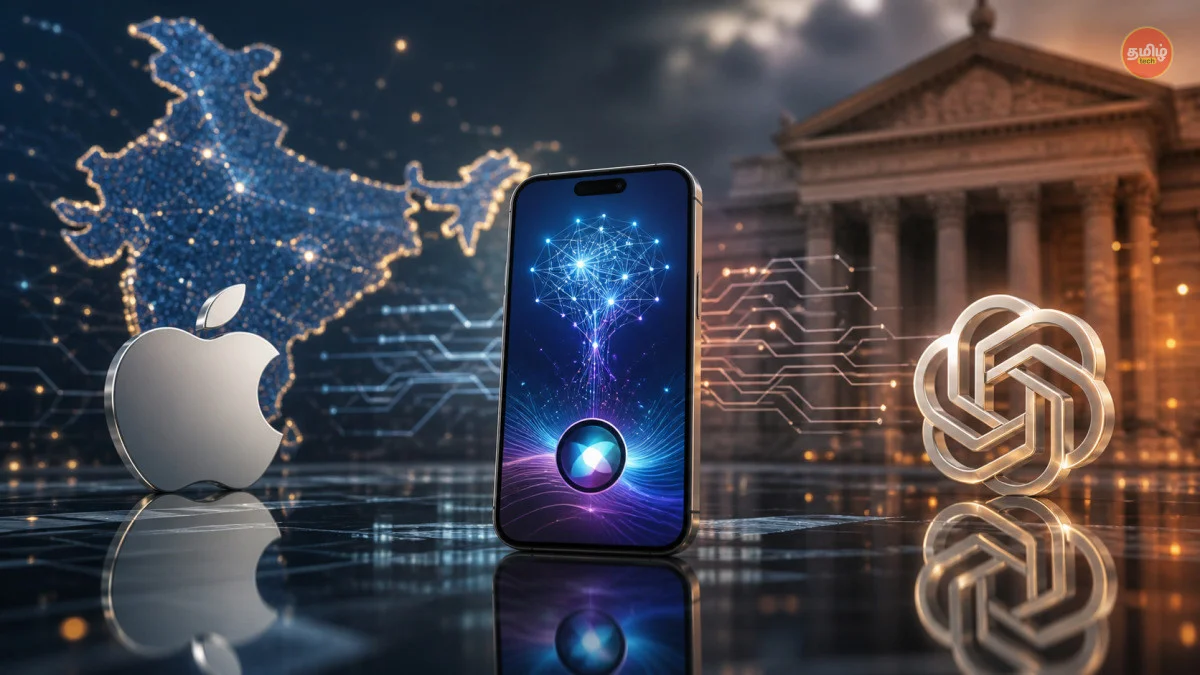
Apple and OpenAI are escalating their legal battle over AI integration in consumer devices, with the tech giants clashing over how
artificial intelligence should be implemented in smartphones and other hardware. The dispute, which began quietly last year, has now moved into public courtrooms as both companies seek control over the AI-powered features that millions of users interact with daily.
The conflict stems from Apple's decision to integrate OpenAI's
ChatGPT technology into iOS 18, which rolled out to iPhones worldwide earlier this year. OpenAI claims Apple is violating their agreement by modifying the AI's behavior in ways that could compromise user privacy and data
security. Meanwhile, Apple argues they have the right to customize AI features to work seamlessly across their ecosystem of devices.
Details#
The legal proceedings have revealed internal tensions between the two companies. Court documents show that OpenAI initially agreed to provide AI technology for Apple devices under specific terms, but disputes arose over how Apple was implementing the technology. OpenAI alleges that Apple has been making unauthorized changes to the AI's responses, potentially leading to inaccurate or harmful outputs.
Apple, in turn, claims that OpenAI is being overly restrictive about how their technology can be used, preventing the company from optimizing AI features for their hardware. The tech giant argues that these customizations are essential for delivering the smooth user experience that iPhone customers expect. The battle has now moved to multiple jurisdictions, with both companies filing lawsuits in the United States and European Union.
India impact#
For Indian consumers, this legal battle could have significant implications. India represents one of Apple's fastest-growing markets, with millions of iPhone users across major cities and smaller towns. The dispute over AI features could delay or limit access to advanced AI capabilities for Indian users, potentially putting them behind users in other markets.
The timing is particularly crucial for India, where digital adoption is accelerating rapidly. Many Indian users rely heavily on their smartphones for everything from banking to education, with AI features becoming increasingly important. If the legal battle results in restrictions on AI functionality, it could impact everything from Siri's capabilities to photo organization and predictive text features that millions of Indians use daily.
Use cases#
Both companies are fighting over control of AI features that users interact with regularly. These include voice assistants, image recognition, predictive text, and automated responses. For Indian users, these features are particularly valuable given the multilingual nature of the country, where AI needs to handle multiple languages and regional dialects effectively.
The dispute also covers AI-powered search capabilities, where Apple wants to integrate OpenAI's technology into their Spotlight search feature. Additionally, there are disagreements over how AI should handle sensitive information, particularly in financial transactions where UPI payments and banking apps rely heavily on AI for
security and fraud detection.
Honest take#
This legal battle between Apple and OpenAI reflects the growing tension in the tech industry over who controls artificial intelligence. While both companies have valid points, Indian users are likely to bear the brunt of this conflict through delayed features or limited functionality.
The real loser here might be innovation itself. Instead of collaborating to bring better AI to consumers, these tech giants are locked in a power struggle that could slow down progress for everyone. For Indian users who are increasingly relying on AI for daily tasks, this delay could mean missing out on potentially life-changing technology improvements.
What's particularly concerning is how this battle might affect the broader Indian tech ecosystem. Startups and smaller companies that depend on AI technology from these giants could find themselves caught in the crossfire, potentially limiting their ability to innovate and serve the growing Indian market.
Ultimately, this isn't just about two tech companies fighting – it's about who gets to decide how artificial intelligence shapes our daily lives. And for millions of Indians, that decision is being made far away from their reality.







Comments (0)
Be the first to comment!