


Key Takeaways
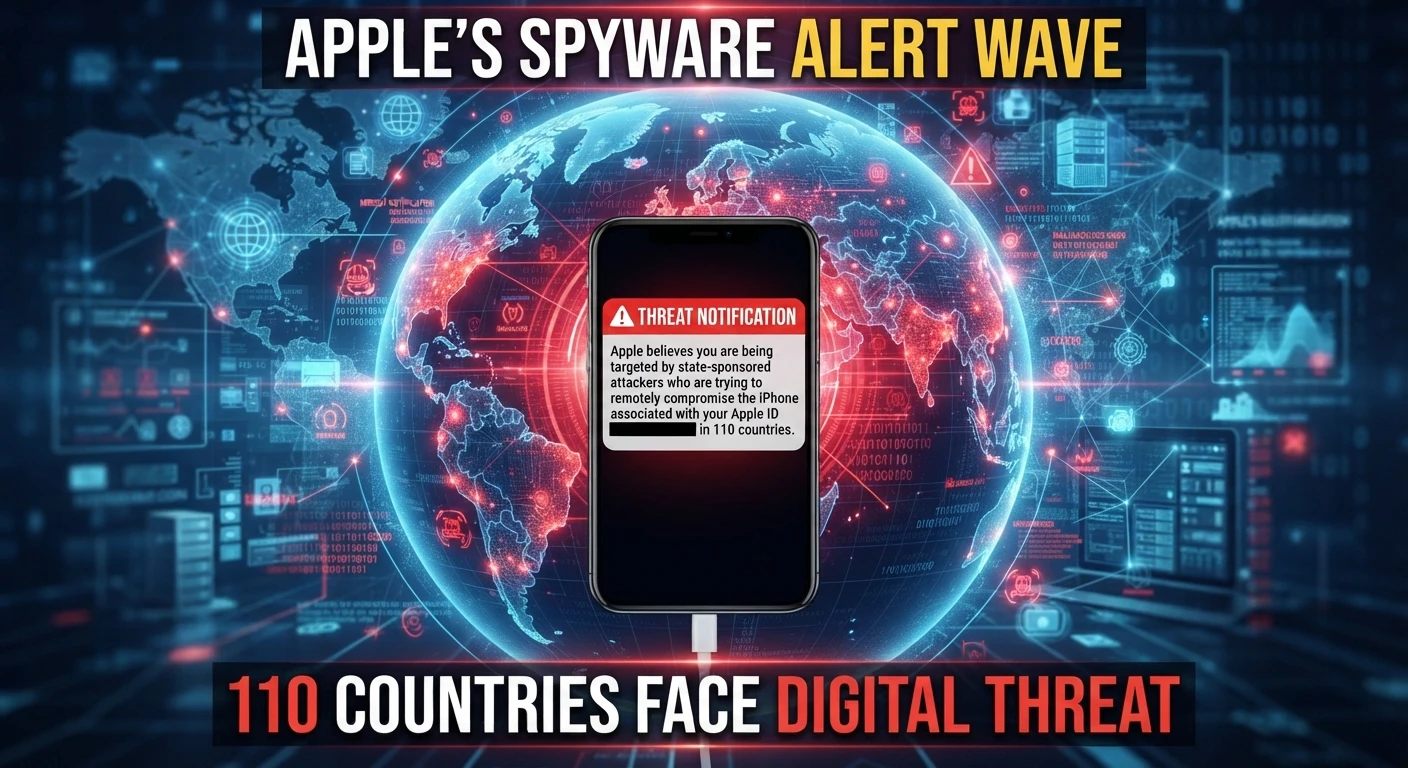
- Apple sent spyware warnings to users in 110 countries including India, targeting NSO Group's Pegasus and other mercenary surveillance tools
- Indian users, especially journalists and activists, have been historically targeted by such sophisticated spyware
- Apple has enhanced its threat detection systems to identify unusual device activity and potential surveillance attempts
- Users are advised to update to the latest iOS version and enable two-factor authentication for better security
- The warnings come as digital surveillance tools become more accessible and sophisticated globally
What's the News
Apple has rolled out fresh mercenary spyware warnings to users across 110 countries worldwide, with India being one of the key regions affected. These alerts specifically target sophisticated surveillance tools like NSO Group's Pegasus spyware, which has been notorious for targeting journalists, activists, and political figures. The tech giant has been actively working to enhance its security infrastructure to protect users from such digital threats.
Details
The spyware warnings are part of Apple's ongoing efforts to combat digital surveillance. The company's enhanced threat detection systems can now identify unusual device activity that might indicate a surveillance attempt. When such activity is detected, Apple sends notifications to affected users, warning them about potential security risks. These warnings come with recommendations for users to take immediate action, including updating their iOS devices and reviewing their security settings.
NSO Group, the Israeli company behind Pegasus, has faced international scrutiny for its spyware tools being used to target human rights defenders, journalists, and activists. The spyware can reportedly infect devices through zero-click exploits, meaning victims don't even need to click on anything to be compromised.
India Impact
Indian users have been particularly affected by these security alerts, given the country's complex digital landscape and the high value placed on surveillance capabilities by various entities. Indian journalists and activists have historically been targets of sophisticated spyware, making these warnings especially relevant for the Indian user base.
The Indian government has been working on strengthening its digital security framework, but the sophisticated nature of mercenary spyware remains a significant challenge. Apple's warnings serve as an important reminder for Indian users to remain vigilant about their digital security practices.
Use Cases
For everyday users, these warnings highlight the importance of maintaining robust security practices. This includes regularly updating iOS devices, using strong and unique passwords, enabling two-factor authentication, and being cautious about the apps and links accessed. For professionals like journalists and activists who might be at higher risk of targeted surveillance, these warnings underscore the need for additional security measures.
Businesses and organizations in India should also take these warnings seriously, especially those handling sensitive information. Implementing comprehensive security policies and staying informed about the latest threats can help protect against potential espionage attempts.
Honest Take
While Apple's spyware warnings are a step in the right direction, they're not a silver bullet. The sophisticated nature of modern spyware means that users need to remain vigilant and adopt good security practices. These warnings are particularly important for users in sensitive professions or those who might be targeted for their work or activism.
The fact that Apple can now detect and warn about such threats shows progress in the ongoing battle between security researchers and those developing spyware. However, as these tools become more accessible and sophisticated, the cat-and-mouse game between security providers and spyware developers will continue to evolve.
For Indian users, these warnings serve as a crucial reminder that in today's digital world, privacy and security are not just conveniences but essential protections. Staying informed, updating regularly, and adopting good security practices can go a long way in protecting against these sophisticated threats.




Comments (0)
Be the first to comment!