


Key Takeaways
- Delhi Police has officially advised app-based aggregators to stop services in Central Delhi starting July 26, 2026.
- The restriction includes ride-hailing apps like Uber, Ola, and Rapido, as well as delivery giants Swiggy and Zomato.
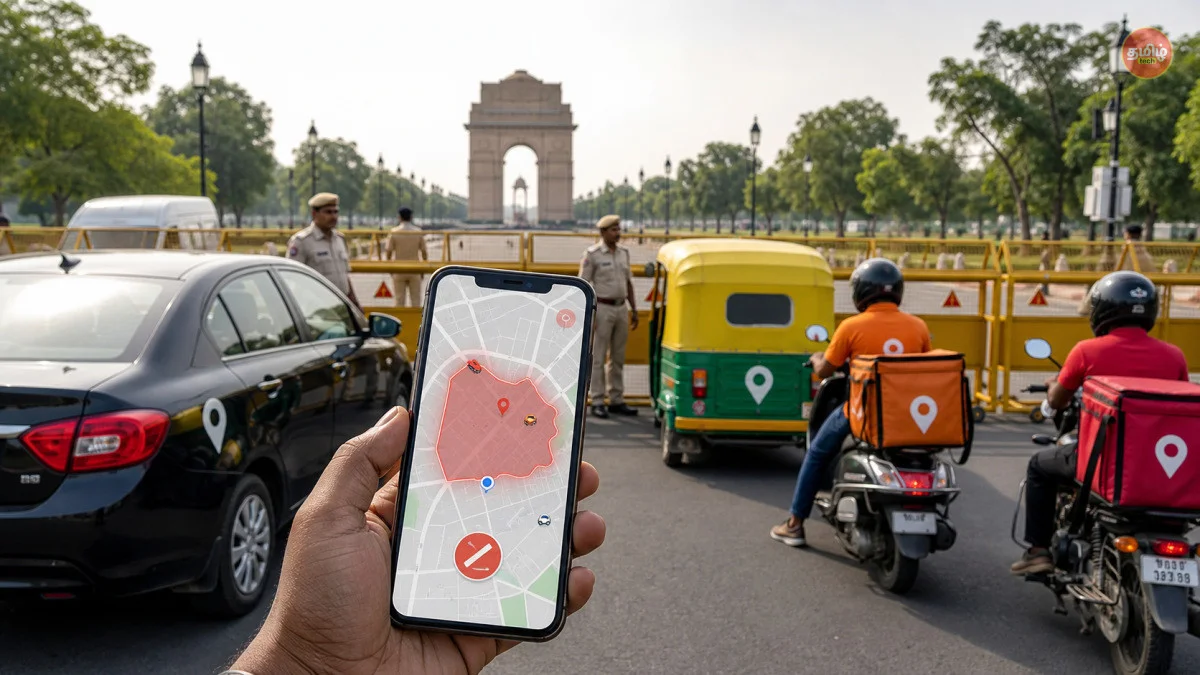
- Geo-fencing technology will be used to ensure no bookings are accepted within the New Delhi district boundaries.
- Emergency vehicles and essential government services remain exempt from these restrictions.
- The move is primarily driven by high-security protocols ahead of the August 15 Independence Day celebrations.
The News: Central Delhi Goes Off-Grid for Apps
If you are planning to book a cab to Connaught Place or order a late-night snack in the Lutyens' zone, I’ve got some bad news for you. Delhi Police has just thrown a massive curveball at app-based services. In a move to tighten security as we approach the 2026 Independence Day, they have advised all major aggregators—Uber, Ola, Swiggy, Zomato, and even Rapido—to temporarily halt their operations in Central Delhi. This isn't just a suggestion; it’s a high-level security advisory that these companies have to comply with immediately.
So, why is this happening now? Well, every year around this time, security in the capital reaches a fever pitch. But this year, the protocols seem even tighter. The New Delhi district, which houses the Parliament, various embassies, and iconic landmarks like India Gate, is being turned into a high-security bubble. By restricting app-based services, the police aim to minimize unidentified vehicle movements and reduce the load on security checkpoints. It’s a bold move that is going to affect lakhs of commuters and thousands of delivery partners who rely on these apps for their daily bread.
How It Works: The Tech Behind the Restriction
Now, you might be wondering, "How can the police stop an app from working?" This is where 'Geo-fencing' comes into play. For those who aren't tech-nerds, geo-fencing is like drawing a digital fence around a specific geographic area using GPS coordinates. When an app like Uber or Swiggy implements a geo-fence, their system will automatically block any requests originating from or heading to that specific zone. If you try to pin a location in Central Delhi, the app will likely show a message saying, "Services currently unavailable in this area."
The Delhi Police has shared specific coordinates with the tech teams of these companies. This means the restriction is hard-coded into the app's backend for the duration of the advisory. It’s not just about the drivers choosing not to go there; the system itself won't allow the booking to happen. This is a massive logistical exercise for companies like Zomato and Swiggy, who have to reroute their entire delivery network to ensure they don't accidentally send a rider into a restricted zone where they might face unnecessary questioning or vehicle impoundment.
The Real-World Impact: Commuters and Gig Workers
Let's talk about the people on the ground. For the average office-goer in Central Delhi, this is a nightmare. With cab services restricted, the reliance on the Delhi Metro is going to skyrocket. Expect massive crowds at stations like Rajiv Chowk, Mandi House, and Central Secretariat. If you usually take an Ola to work, you might want to start looking at the bus schedules or dust off your walking shoes. The traffic police have made it clear that while private vehicles are allowed, the commercial 'yellow plate' app-cabs will face heavy scrutiny at every barricade.
But the hardest hit are the gig workers. Thousands of Swiggy and Zomato delivery partners earn their daily wages by navigating the busy streets of Central Delhi. With these restrictions in place, their earning potential takes a massive hit. Many of these riders live on the outskirts and travel to the center for better orders. Now, they’ll have to find other zones to work in, which means more competition and fewer orders for everyone else. It’s a ripple effect that hits the most vulnerable part of the tech economy the hardest. We’re talking about a potential 30-40% drop in daily earnings for riders who usually operate in the New Delhi district.
What Should You Do? Alternatives and Tips
If you absolutely must travel to Central Delhi between now and August 15, here is the TamilTech survival guide. First and foremost, the Delhi Metro is your best friend. While it will be crowded, it remains the most reliable way to bypass the road restrictions. Most metro stations in the central zone will remain operational, though some specific gates at stations like Udyog Bhawan or Khan Market might be closed intermittently for security drills. Always check the DMRC app before you head out.
Secondly, if you are using a private vehicle, carry your original ID proofs and vehicle documents. The number of checkpoints has tripled, and random checks are the new normal. For food and essentials, don't rely on the 10-minute delivery apps like Zepto or Blinkit if you are inside the restricted zone. They are also part of this advisory. Stock up on your essentials a day in advance. It might feel like a bit of an inconvenience, but when it comes to national security, these measures are often non-negotiable in the eyes of the administration.
TamilTech’s Honest Take: Security vs. Convenience
Here’s what we think at TamilTech. While we totally understand the need for high security in the national capital, especially in 2026 with the current global climate, the way these advisories are implemented often leaves a lot to be desired. There’s a serious lack of communication for the common man. Most people only find out about the restriction when they open the app and see the "Service Unavailable" error. A more phased approach or better public announcements could have helped people plan their commutes better.
Also, the tech companies need to do more for their delivery partners during these periods. A "Security Surcharge" or a temporary base-pay hike for riders working in adjacent zones could help offset their losses. Looking ahead, we expect these kinds of digital restrictions to become more common during major events. Whether it's a summit or a national holiday, geo-fencing is the new tool in the police's arsenal. It's efficient for them, but it’s a massive headache for the digital-first citizen. Stay safe, plan ahead, and maybe keep a physical map handy—you never know when your favorite app might stop working!




Comments (0)
Be the first to comment!