


Key Takeaways
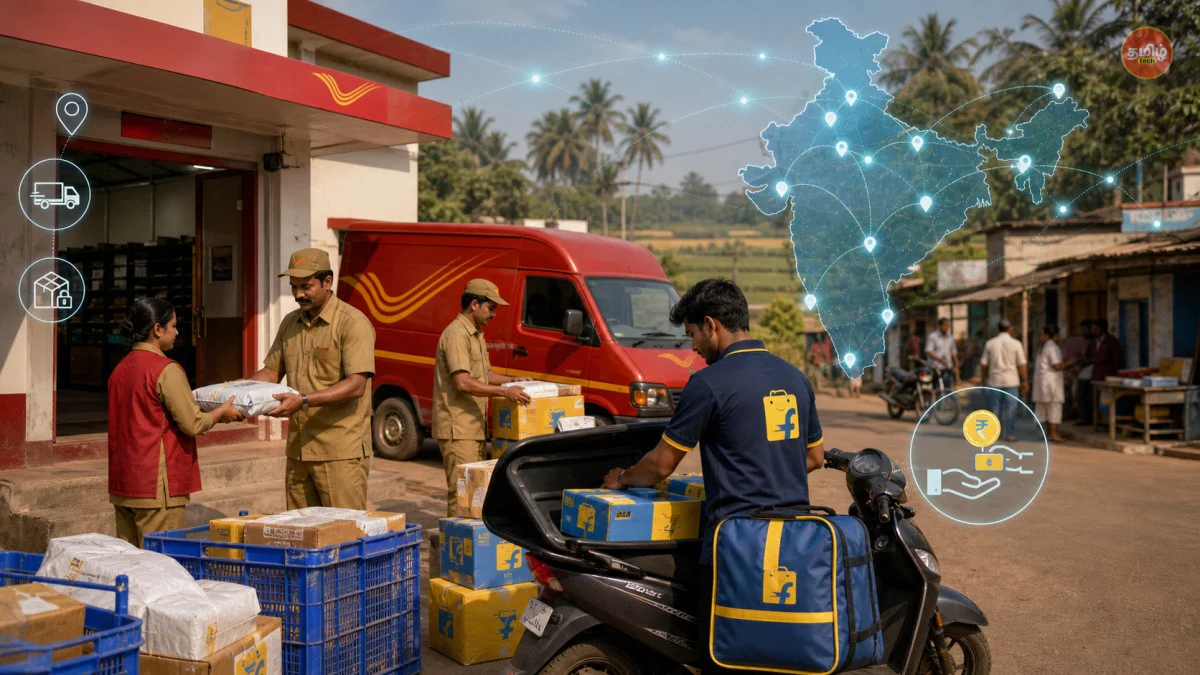
- Flipkart is now utilizing over 160,000 India Post offices to ensure 100% pin code coverage across India in 2026.
- The partnership introduces specialized 'E-commerce Speed Post' lanes for faster transit of online orders.
- Cash on Delivery (CoD) is now fully supported through the Postman network in over 20,000 rural pin codes.
- Flipkart has integrated India Post’s real-time tracking API directly into its app for seamless user monitoring.
The Big Move: Why Flipkart is Betting on the Postman
So, here is the thing — while we all talk about 10-minute grocery deliveries in Bengaluru or Mumbai, a huge part of India still waits 7 to 10 days for a basic smartphone or a pair of shoes to arrive. As we move through 2026, the battle for the 'Next 500 Million' users has shifted from the metros to the villages. Flipkart has realized that building their own logistics everywhere is expensive and slow. That is where India Post comes in. By partnering with the Department of Posts, Flipkart is essentially plugging into the world's largest delivery network. We are talking about reaching places where even Google Maps sometimes struggles, but the local postman knows exactly which house is which.
I have been tracking this development for a few months now, and honestly, the scale is wild. India Post has undergone a massive digital transformation (IT Modernization 2.0) and Flipkart is the first major player to fully integrate with their new cloud-based logistics system. This isn't just about sticking a label on a box; it is a deep tech integration that allows a parcel to move through the government machinery with the speed of a private courier. For you, the user, this means that even if you live in a remote part of Himachal or a small village in Tamil Nadu, your Flipkart order is no longer 'undeliverable'.
The Tech Behind the Tie-up: How it Actually Works
Let's talk about the 'under the hood' stuff because that is where the real magic happens. In 2026, Flipkart and India Post have synced their backend systems using a high-speed API. When you place an order, the Flipkart warehouse (Sellers) prepares the package, and it is immediately assigned to the nearest 'Dak Ghar Niryat Kendra' or a specialized hub. These hubs are basically tech-enabled post offices that prioritize e-commerce parcels over regular letters. They use automated sorting machines that read Flipkart's QR codes and route them to the specific beat of the local Grameen Dak Sevak (GDS).
What is even more impressive is the tracking. Previously, tracking an India Post parcel felt like shouting into a void. Now, the integration is so tight that you get a notification on your Flipkart app the moment the postman leaves the local sub-post office for delivery. They are using handheld devices that sync with the Flipkart app in real-time. This level of transparency was unheard of in government logistics just a couple of years ago. It’s a complete overhaul of the 'Sarkari' image we used to have.
The India Impact: Pricing, Trust, and Cash on Delivery
In India, trust is the biggest currency. In rural areas, people might not trust a random delivery boy from a private startup, but they trust 'Postman Uncle'. This partnership leverages that trust. Flipkart has enabled Cash on Delivery (CoD) through India Post across nearly 20,000 pin codes that were previously 'prepaid only'. This is a game-changer. When the postman arrives, he collects the cash, updates it on his device, and the Flipkart seller gets the payment settled through a dedicated digital gateway. This solves the biggest hurdle for e-commerce growth in Bharat.
From a pricing perspective, this makes things cheaper for everyone. Private logistics companies charge a premium for 'remote area delivery'. By using the existing infrastructure of India Post, Flipkart can cut down its last-mile delivery costs by almost 15-20%. Does this mean lower prices for you? Likely yes, or at least, it means more 'Free Delivery' options for rural customers who used to pay ₹100 or ₹150 as a shipping fee. It’s about making e-commerce truly democratic.
Real-World Use Case: Ordering a Phone in a Remote Village
Imagine you are a student in a small village in the Nilgiris. You want to buy the latest 2026 budget 5G phone during the Big Billion Days. Earlier, you might have had to give a friend's address in a nearby town or travel 30km to pick it up. Now, with the India Post partnership, here is how it goes: 1. You select the phone on Flipkart. 2. The system recognizes your pin code as an 'India Post Priority' zone. 3. The phone is shipped to the district sorting hub. 4. The local postman, who probably knows your family, brings it to your doorstep. 5. You pay via UPI or Cash to the postman. It is that simple. This accessibility is what will drive the next wave of India's digital economy.
TamilTech's Honest Take: Is it All Smooth Sailing?
Now, let's be real. While this sounds great on paper, there are challenges. India Post is a massive organization, and changing the work culture everywhere isn't easy. While the tech is there, the 'human element'—the speed and care with which parcels are handled—can vary from one post office to another. Private players like Delhivery or Blue Dart are still faster in the cities because they control the entire chain. However, for rural India, this is hands down the best solution we have. If Flipkart and India Post can maintain the 2026 standards of tracking and speed, Amazon India is going to have a very tough time catching up in the rural market.
What should you expect next? We might see 'Flipkart Pickup Points' at local post offices soon. Imagine walking into a post office to return a product or pick up an order at your convenience. That's the level of integration we are heading towards. For now, if you're in a city, you won't see much change. But for our friends in the villages, the 'Postman Uncle' is about to become your new favorite delivery partner!

Comments (0)
Be the first to comment!