


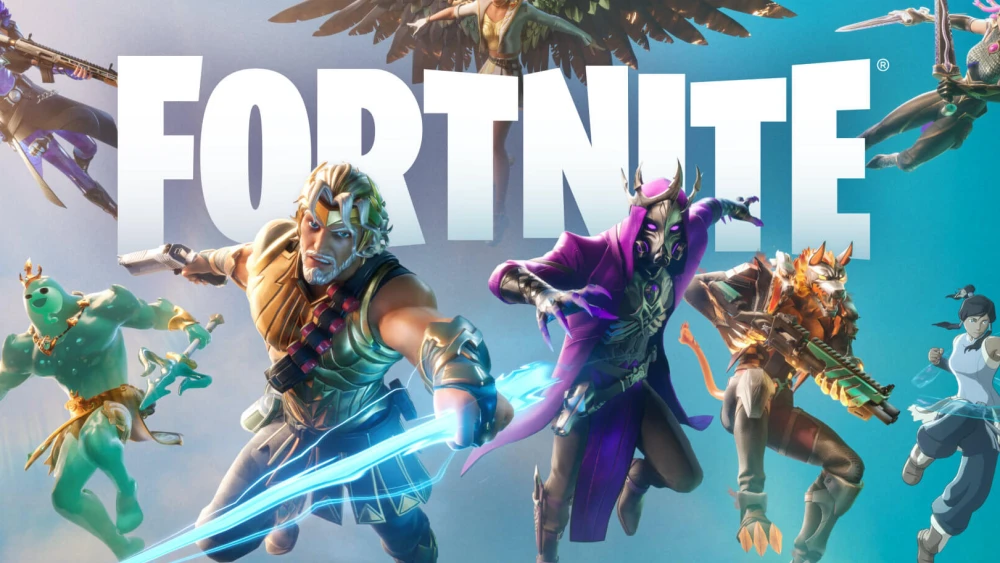
A thousand people lost their jobs at one of gaming's biggest companies — and Fortnite might never be the same
March 24 was a brutal day in the games industry. Epic Games — the company behind Fortnite, one of the most played games on earth — announced mass layoffs affecting over 1,000 employees. That's not a small restructuring. That's roughly 20% of Epic's entire workforce wiped out in a single round of cuts.
The people who lost their jobs weren't just support staff. Design director Christopher Pope — gone. Principal engineer Evan Kinney — gone. Lead writer Nik Blahunka — gone. These are the kinds of people who built the systems, mechanics, and story of Fortnite as you know it. The institutional knowledge that left with them isn't replaceable in a hiring cycle.
CEO Tim Sweeney attributed the cuts to a "downturn" in Fortnite engagement and a straightforward financial problem: Epic was "spending significantly more than we're making." That's a stark admission from the CEO of a company whose game has been a cultural phenomenon for nearly a decade. He then asked the remaining staff to continue building "awesome Fortnite experiences with fresh seasonal content, gameplay, story, and live events" — while also preparing to transition to Unreal Engine 6. For the people who just watched colleagues pack their desks, that message landed with a particular kind of weight.
What the remaining developers are actually saying
Gameplay producer Robby Williams said what most corporate communications won't: "Our teams will have to pick up the pieces and try to keep moving forward... but we cannot even fully understand what kind of impacts this will have on the game for the rest of the year and likely beyond."
That's not corporate spin. That's a developer who has been through something traumatic and is being honest with the player community about what it means. The people who remain have to absorb the work of those who left — the features in development, the live events being planned, the seasonal content pipeline — with no additional resources to do it. Sweeney's promise to share more about Epic's plans "towards the end of the year" means the people still at the company have months of uncertainty ahead.
Williams also asked players for patience: "I'll continue to do my best to keep making the best game for you... and I'm confident that my peers feel the same, but please be patient with us as we navigate this tough time."
Reading between the lines: expect delays. Expect some content to not hit its planned window. Expect the pace of Fortnite updates that players have become accustomed to — new seasons, collaborations, gameplay changes, live events — to slow down. Not because the remaining team isn't capable, but because there are simply fewer people to do the same amount of work.
Why is this happening to Fortnite of all games?
Fortnite is still a massive game. It still draws tens of millions of monthly players. Its IP collaboration model — bringing in Marvel characters, Star Wars skins, sports figures, musicians — generates significant revenue. By most external metrics, it looks like a thriving business.
But "thriving" doesn't mean profitable at the scale Epic built itself to support. Fortnite's operation requires an enormous team for live-service maintenance alone — servers, content updates, anti-cheat, platform relations, customer support, creative tools for the user-generated content side of the game. All of that costs money. A lot of it.
When engagement dipped in 2025 — not collapsed, just dipped — the revenue-to-cost math shifted. A live-service game has fixed costs that don't scale down easily when player counts drop slightly. Epic's response was to cut the headcount to match the actual business size rather than the business size they hoped to maintain.
Three Fortnite game modes were also discontinued as part of this restructuring — modes that didn't attract or retain large enough player bases to justify the development cost. This is the first time Epic has explicitly shut down parts of the Fortnite ecosystem rather than simply letting them fade.
The Unreal Engine 6 transition adds another layer of uncertainty
Sweeney asked remaining staff to prepare for the transition to Unreal Engine 6 — Epic's next-generation game engine — alongside maintaining Fortnite's content schedule. Engine transitions are enormous undertakings. Moving a live game from one engine version to another while the game is actively running and being updated is the kind of work that eats up developer time for years.
The fact that Epic is doing this with 20% fewer people than they had a week ago makes the timeline for everything — Fortnite seasons, engine migration, new features — genuinely uncertain. Nobody at Epic right now has a clear picture of what the next year looks like, and the people who do know aren't ready to share it publicly until "towards the end of the year."
What this means for Indian Fortnite players
Fortnite is free-to-play, cross-platform, and runs well even on older hardware and low-spec PCs — which has made it one of the more accessible battle royale games for Indian players. Its Battle Pass model (typically around ₹800 per season) and cosmetics store have an active Indian player base. Indian gamers who invest in Battle Passes are investing in the expectation of continued content delivery through the season.
The concern: if Fortnite's content pipeline slows down because of reduced headcount, that directly affects the value of a purchased Battle Pass. A season with fewer challenges, less story content, or delayed live events is a season where the ₹800 purchase delivers less than players are used to.
Epic hasn't announced any changes to pricing or season structure yet. But players globally — including in India — should monitor what the next season brings. If the content volume or quality drops noticeably, that's the direct consequence of these layoffs showing up in the game itself.
The broader gaming industry context
Epic is not alone. The games industry has seen significant layoffs across studios big and small over the past 18 months — Microsoft Gaming, Sony, EA, Embracer Group, and dozens of smaller developers have all made cuts. The economics of AAA and live-service game development have shifted: player acquisition is harder, competition for attention is fiercer, and the cost of running large teams has risen.
India's gaming market — rapidly growing, heavily mobile, increasingly PC — is watching this happen to studios whose games it plays. For Indian game developers and students considering careers in game development, the message from the industry right now is complicated: gaming is a massive market, but the companies building the biggest games are structurally unable to sustain the headcount they built during the pandemic growth period.
TamilTech's take
A thousand people losing their jobs is a human story before it's a business story. The people who built Fortnite's world — its weapons feel, its season narrative, its event spectacles — are now looking for new work, and what they built will be maintained by a smaller team that's being asked to do more with less.
Fortnite will survive this. The game is too embedded in popular culture to die from one bad year of engagement metrics. But the version of Fortnite that exists in 12 months will almost certainly be a leaner, more carefully managed product than what players experienced during the game's peak. Whether that's good or bad depends entirely on whether the remaining team can maintain the things that made the game worth playing in the first place.
Watch the next season closely. That's where you'll see the real impact of these layoffs show up in the actual game.





Comments (0)
Be the first to comment!