



Why this is the buzz of the week
When the doors of Bharat Mandapam opened on March 23, the crowd that poured in looked more like a tech‑festival than a finance conference. X (formerly Twitter) lit up with #FinTechIndiaExpo, investors posted live‑streams of their booth demos and the Google Trends chart for “FinTech India Expo 2026” jumped 150% in just 48 hours. The numbers are official: 54,312 industry visitors, 987 exhibitors, and delegations from 26 nations – a record for any Indian fintech gathering.
What made the expo a magnet for visitors?
- UPI 3.0 Showcase – the National Payments Corporation of India (NPCI) demoed the next‑gen UPI architecture, promising sub‑second transaction settlement and offline QR support for Tier‑2 towns.
- Blockchain & DLT Zone – over 30 blockchain startups displayed low‑code tokenisation platforms, cross‑border settlement pilots (with RuPay‑SWIFT bridges) and RBI‑approved token‑based CBDC sandboxes.
- AI‑driven Lending Labs – fintechs like KreditBee, Flexi Loans and new AI‑risk‑scoring player DeepScore walked the floor with live credit‑score generators that used LLM‑backed alternative data (social‑media sentiment, bill‑payment histories).
- Startup Hub – 250+ early‑stage founders got a stage in the dedicated “Startup India” zone, pitching to VCs from Sequoia, Accel and Indian Angel Network. Seven startups walked away with seed‑fund awards worth INR 5 crore total.
Key sessions you shouldn’t have missed
- Regulatory Outlook 2026 – RBI Governor Shaktikanta Das announced a phased rollout of the “Digital Payments 2.0” policy, easing KYC for wallet‑to‑bank transfers and opening sandbox access for AI‑enabled fraud detection.
- Cybersecurity in Payments – a panel with KPMG, Palo‑Alto and the Ministry of Electronics discussed mandatory “AI‑Threat‑Intel” feeds for all regulated payment aggregators.
- Future of Open Banking – a deep‑dive on the API‑first approach, with representatives from YES Bank, Axis and a live demo of the Open Banking Consent Hub (OBCH) that lets users manage data‑sharing across apps.
Why Indian fintechs are the world’s next big thing
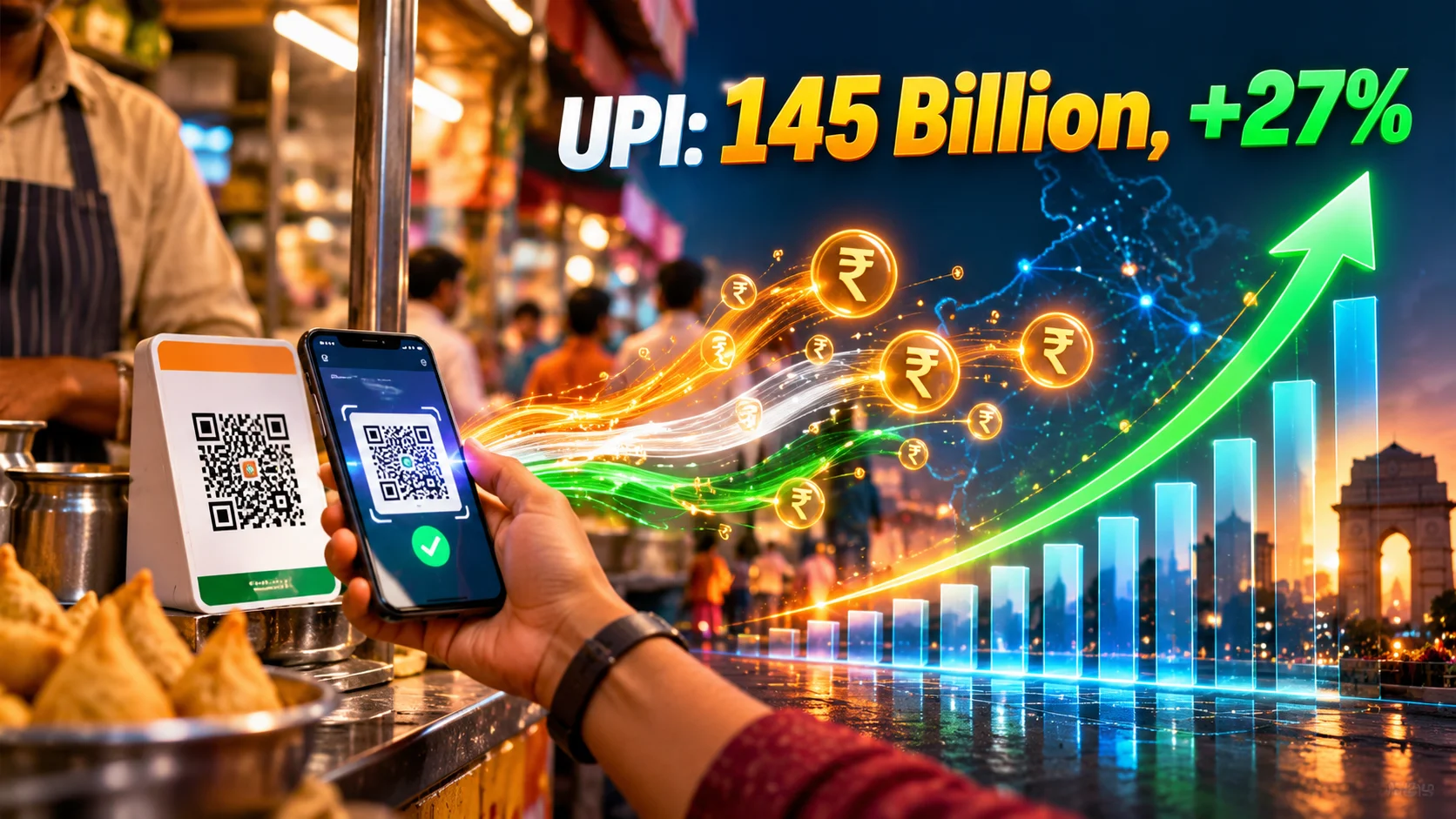
India now processes over 3 billion UPI transactions a month – a volume that outpaces the US by a factor of five. The ecosystem is backed by a massive unbanked population (≈190 million) that’s leaping straight into mobile wallets. With the government’s push for financial inclusion, the market is flush with capital (₹120 billion slated for fintech in FY 27) and talent (AI‑ML engineers graduating at a rate of 15,000 per year from IITs, NITs and private colleges).
What investors are saying
“The density of live product demos here is unlike any other Indian event,” said Sunita Rao, managing partner at Sequoia India. “We’re seeing a real shift from B2C wallet play‑books to B2B infrastructure – things like AI‑risk engines, embedded credit and cross‑border blockchain settlements. Expect the next $10 billion of funding to flow into these layers over the next 12‑months.”
Impact on the Indian tech job market
Following the expo, LinkedIn reported a 68% increase in searches for “FinTech AI engineer” and a 55% rise for “blockchain developer Hyderabad”. Companies are scrambling to hire:
- AI/ML engineers proficient in LLM‑based credit‑scoring (average salary ₹22‑30 LPA).
- Blockchain developers with experience in Hyperledger Besu and Polygon (₹18‑25 LPA).
- Product managers who understand regulatory compliance and can speak to both tech and finance stakeholders.
Potential challenges & red‑flags
Even with the hype, there are concerns:
- Regulatory lag: While RBI is opening sandboxes, the legal framework for AI‑driven credit decisions is still under draft – investors may face compliance delays.
- Data‑privacy compliance: The new DPDP Act demands explicit user consent for alternative data usage; fintechs must integrate consent‑management layers now.
- Talent crunch: The demand for AI‑enabled fintech talent outpaces supply, pushing salaries up and creating retention risks.
Praveen’s quick take for the crew
- For founders: If you have an AI‑risk model or blockchain‑based settlement, the Expo’s Startup Hub gives you instant exposure to VCs and a chance for a seed award – sign up for the next edition now.
- For job‑seekers: Upskill in LLM‑based credit scoring or Hyperledger – those skills saw a 70% search spike after the expo.
- For investors: Look beyond the flashy UI demos; dig into the underlying data pipelines, compliance readiness and scalability of the AI models – that’s where the real $‑multiple lies.
Bottom line: FinTech India Expo 2026 proved that India isn’t just a consumer of global fintech solutions; it’s becoming a creator. With record footfall, a roster of AI‑driven demos and a clear policy road‑map, the event set the tone for the next wave of digital finance in the country.




Comments (0)
Be the first to comment!