


Key Takeaways
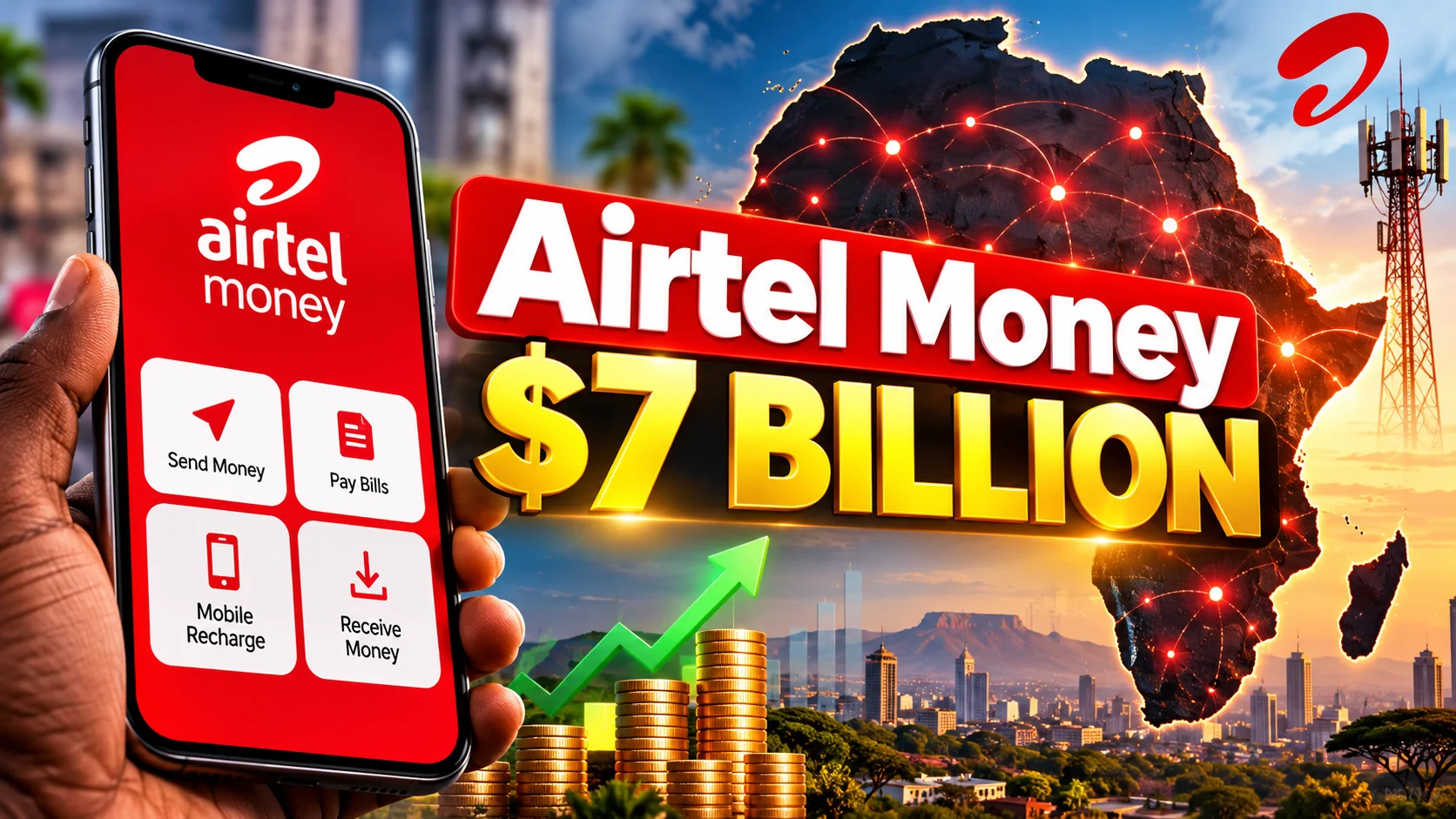
- Airtel Money, the mobile money arm of Airtel Africa, is being valued at close to $7 billion — way more than most people expected for a telecom side-business.
- The real reason is simple: Africa never got a free, interoperable payment rail like UPI, so telcos like Airtel still get to charge fees on almost every transaction.
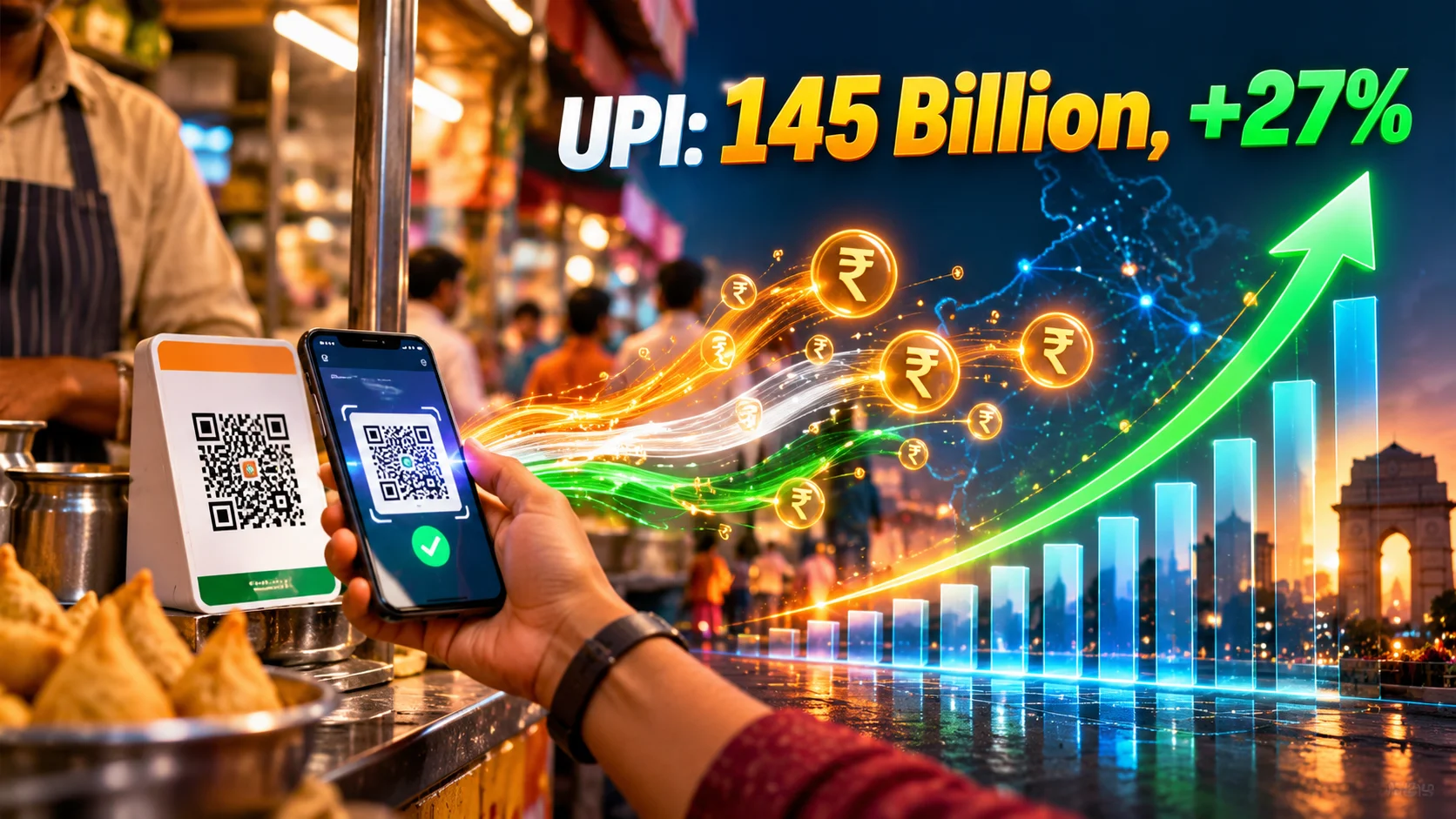
- In India, UPI killed transaction fees for P2P and P2M payments, which is great for us as users but makes it tough for apps like PhonePe or GPay to directly monetise the payment itself.
- Airtel Payments Bank in India doesn't enjoy the same fee-based upside as Airtel Money in Africa, because RBI rules around UPI don't allow that kind of toll-collecting.
- This is basically a case study in how 'free infrastructure' versus 'owned infrastructure' completely changes who makes money in digital payments.
What just happened?
Picture this. You send ₹500 to a friend using GPay or PhonePe. No fee, no deduction, money lands instantly. We've gotten so used to this that we forget it's actually unusual.
Now flip the scene to Nairobi or Lagos. Someone wants to send the same amount using Airtel Money. There's a fee to deposit cash into the wallet, a fee to send it, sometimes a fee for the receiver to cash it out. Every single step has a toll gate.
That difference — free in India, fee-based in Africa — is exactly why Airtel's mobile money business is now being valued at roughly $7 billion. Investors aren't paying for an app. They're paying for a tollway that millions of people have no choice but to use.
Airtel Africa runs this mobile money operation across multiple countries, and over the years, it has pulled in minority investors who were happy to buy small stakes at valuations that kept climbing. The business isn't just a side hustle anymore — for Airtel, it's becoming one of the crown jewels of the entire group.
How does this actually work?
Here's the part that explains everything. In India, we have UPI — a public, government-backed, bank-interoperable payment rail that any app can plug into for free. NPCI built it, banks run it, and apps like PhonePe, GPay, and Paytm just sit on top as the front door.
Because UPI is free for P2P and most merchant payments, nobody in that chain gets to charge you for simply moving money. That's brilliant for users. It's also brutal for the business model of pure payment apps, because the transaction itself earns them close to nothing. They have to make money elsewhere — lending, insurance, ads, gold, whatever.
Africa never built anything like that. Mobile money there grew because telcos like Airtel and Safaricom's M-Pesa stepped in to solve a real problem — banks weren't reaching rural areas, but mobile towers were. So the telco became the bank, the agent network, and the payment rail, all rolled into one.
Since there's no UPI-style free utility layer sitting underneath, Airtel owns the entire pipe. Cash-in, cash-out, merchant payment, bill payment, cross-border remittance — Airtel can charge a small fee at every single step, and nobody can route around it because there's no alternative free rail. That's the entire story in one line: no UPI means no free lane, which means the telco's toll booth prints money.
Multiply tiny fees across tens of millions of users doing multiple transactions a day, across several countries, and you get a business worth billions — even though each individual fee feels small, almost like how Zomato or Swiggy platform fees add up at scale.
What changes for people in India?
Nothing changes for your GPay transfer tomorrow morning, don't worry. UPI isn't going anywhere, and it shouldn't — it's one of the genuinely world-class things India has built, and even African fintech folks study it as a model to aim for eventually.
But here's the bit worth sitting with. Airtel itself runs a payments bank in India, and it simply cannot replicate the Airtel Money Africa magic here. RBI's zero-MDR rules on UPI mean Airtel Payments Bank can't quietly charge you a fee every time you send money through UPI rails. So the same company, same brand, has two completely different economics in two different countries — rich toll-collector in Africa, thin-margin utility player in India.
This also explains something Indian fintech investors have quietly grumbled about for years. Why does PhonePe need a giant valuation story built on insurance and lending cross-sell, instead of just the payments business alone? Because in India, the payment itself was deliberately made close to free as public policy. Great for financial inclusion, tough if you're trying to build a standalone payments unicorn on transaction fees.
So when you read headlines about Airtel Money hitting a $7 billion valuation, the honest takeaway for an Indian reader isn't envy — it's appreciation. UPI gave us something Africa is still trying to build: a shared, neutral rail that doesn't force you to pay a fee just to move your own money around.
What should you do now?
If you're an investor tracking Bharti Airtel stock, this is worth watching closely. Airtel Africa's mobile money arm is increasingly looking like a business that could be spun off, listed separately, or used to bring in more strategic investors down the line — the kind of thing that moves the parent company's valuation story in India too.
If you're building a fintech product in India, this is a reminder to stop chasing the African telco playbook of fee-per-transaction. It won't fly here, and regulators have made that very clear. The money in Indian fintech sits in lending, cross-sell, and merchant services layered on top of UPI, not in the UPI rail itself.
And if you're just a regular reader wondering why this matters at all — next time your cousin abroad complains about mobile money fees eating into remittances, you'll know exactly why. It's not greed. It's the absence of a UPI.
Is UPI actually trying to expand into Africa, and what's stopping it?
Here's the twist that makes this story even more interesting. NPCI has been quietly trying to export the UPI playbook to other countries for a few years now, through NPCI International Payments Limited. Singapore, UAE, Sri Lanka, Mauritius, and a handful of African nations have all run pilots or signed MoUs to bring some version of UPI-style rails to their markets. On paper, it sounds like a slam dunk — why wouldn't a country want a cheap, instant, interoperable payment system that India has already built and battle-tested on a billion-plus users?
The honest answer is that exporting UPI isn't just a software licensing deal. UPI works in India because NPCI, the RBI, and every major bank agreed to zero-MDR economics and because India had already built Aadhaar-linked bank penetration through schemes like Jan Dhan Yojana. Most African markets don't have that same banking backbone, and the telcos who already own the agent networks, cash-in points, and customer trust have very little incentive to hand that over to a free public rail. Why would Airtel or Safaricom help kill their own golden goose? That's the quiet resistance nobody puts in a press release, but it's the real reason UPI-style adoption in Africa has stayed stuck at pilot stage rather than full rollout.
What's worth watching over the next couple of years is whether any single African government decides to push through a public rail anyway, the way India did with demonetisation and Jan Dhan as forcing functions. If that happens, Airtel Money's fee-based moat could shrink fast, just like pure transaction-fee businesses shrank in India once UPI went mainstream. Until then, expect telcos to keep quietly lobbying against free rails while still sending polite delegations to study how NPCI pulled it off — a classic case of wanting the outcome without wanting the disruption that gets you there.

Comments (0)
Be the first to comment!