


Key Takeaways
- RBI has launched a direct recruitment pipeline from IIT Kanpur for cybersecurity talent, bypassing traditional banking recruitment channels
- The program aims to create a dedicated ethical hacking team within RBI to combat rising financial cyber threats
- IIT Kanpur students participating in this initiative receive special training in banking security protocols
- The move comes as India reported a 300% increase in financial sector cyber attacks in 2026
- Privacy advocates are questioning the ethics of formalizing hacker recruitment from academic institutions
What's the News
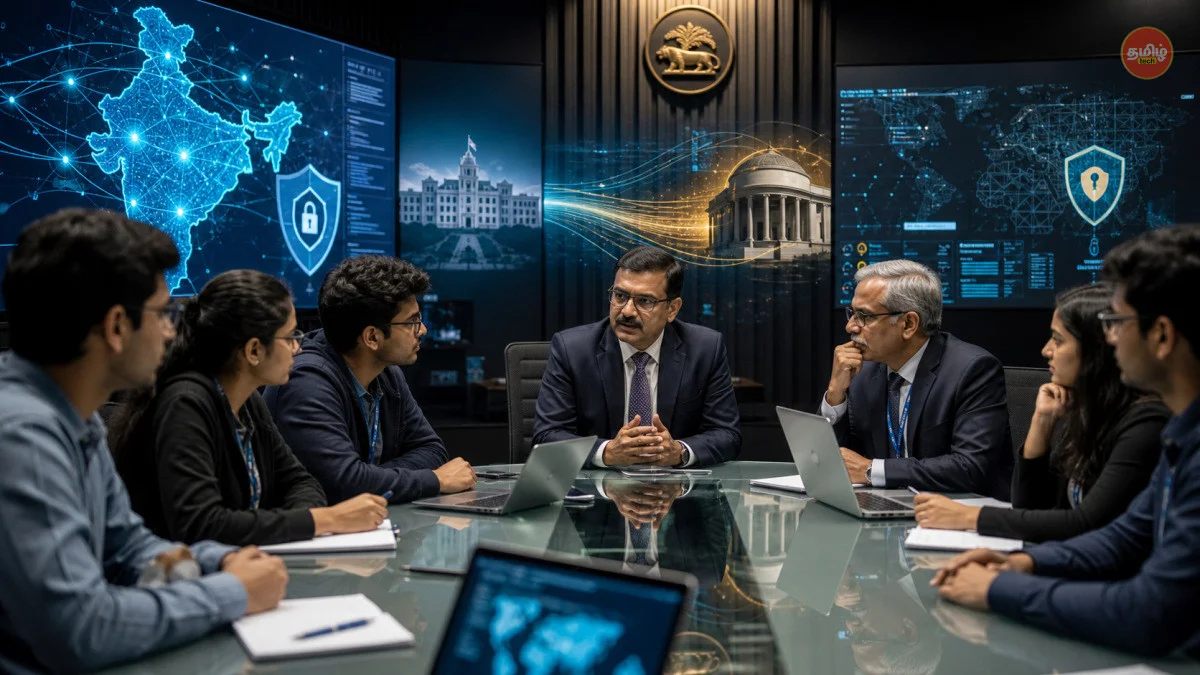
The Reserve Bank of India has quietly established a direct recruitment pipeline with IIT Kanpur, specifically targeting cybersecurity talent with hacking skills. This unconventional approach to building a cybersecurity team has raised eyebrows across the Indian tech and financial sectors. The program, which began in early 2026, allows RBI to identify and recruit promising hackers directly from campus, offering them specialized training in banking security protocols and the chance to work within India's central banking institution.
Details
Under this initiative, IIT Kanpur students with demonstrated cybersecurity skills are being offered fast-track recruitment into RBI's newly formed cybersecurity division. Selected candidates undergo intensive training that covers everything from traditional banking security to advanced threat detection systems. The program includes a six-month bootcamp where participants learn about RBI's security infrastructure, payment systems like UPI, and digital banking platforms. What's particularly notable is that the recruitment process bypasses traditional banking career paths, instead focusing on raw talent and practical skills demonstrated through hackathons, security competitions, and ethical hacking activities.
India Impact
This development has significant implications for India's cybersecurity landscape. With the digital payments revolution led by UPI processing over 10 billion transactions monthly, securing these systems has become paramount. The RBI's move reflects a growing recognition that traditional cybersecurity approaches may not be sufficient to combat sophisticated threats. The initiative also highlights India's evolving approach to talent acquisition in critical sectors, moving beyond conventional recruitment to tap into specialized skill sets. For IIT Kanpur, this partnership enhances its reputation as a hub for cybersecurity talent, potentially attracting more students interested in ethical hacking careers.
Use Cases
The recruited hackers from IIT Kanpur are being deployed across various critical areas within RBI's security framework. Their primary responsibilities include penetration testing of RBI's digital infrastructure, vulnerability assessment of payment systems, and developing countermeasures against emerging cyber threats. The team is also working on creating AI-powered security systems to detect and prevent fraudulent transactions in real-time. Additionally, these specialists are involved in training other RBI staff members in basic cybersecurity hygiene and threat awareness. The ultimate goal is to create a proactive security posture rather than a reactive one, identifying and patching vulnerabilities before they can be exploited.
Honest Take
While the RBI's initiative to tap into IIT Kanpur's hacker talent pool is innovative, it's not without controversy. On one hand, it's a pragmatic response to the evolving threat landscape facing India's financial sector. The direct recruitment pipeline could significantly enhance RBI's ability to defend against sophisticated cyber attacks. However, the formalization of hacker recruitment from academic institutions raises ethical questions about the fine line between ethical hacking and potential misuse of skills. There's also concern about creating a privileged recruitment channel that might overlook talented individuals from other institutions. The success of this program will ultimately depend on how well RBI can channel this raw talent into constructive security outcomes while maintaining ethical standards and diversity in recruitment. For now, this experiment in talent acquisition could either become a model for other critical sectors or serve as a cautionary tale about the complexities of institutionalizing hacker culture.



Comments (0)
Be the first to comment!