


Key Takeaways
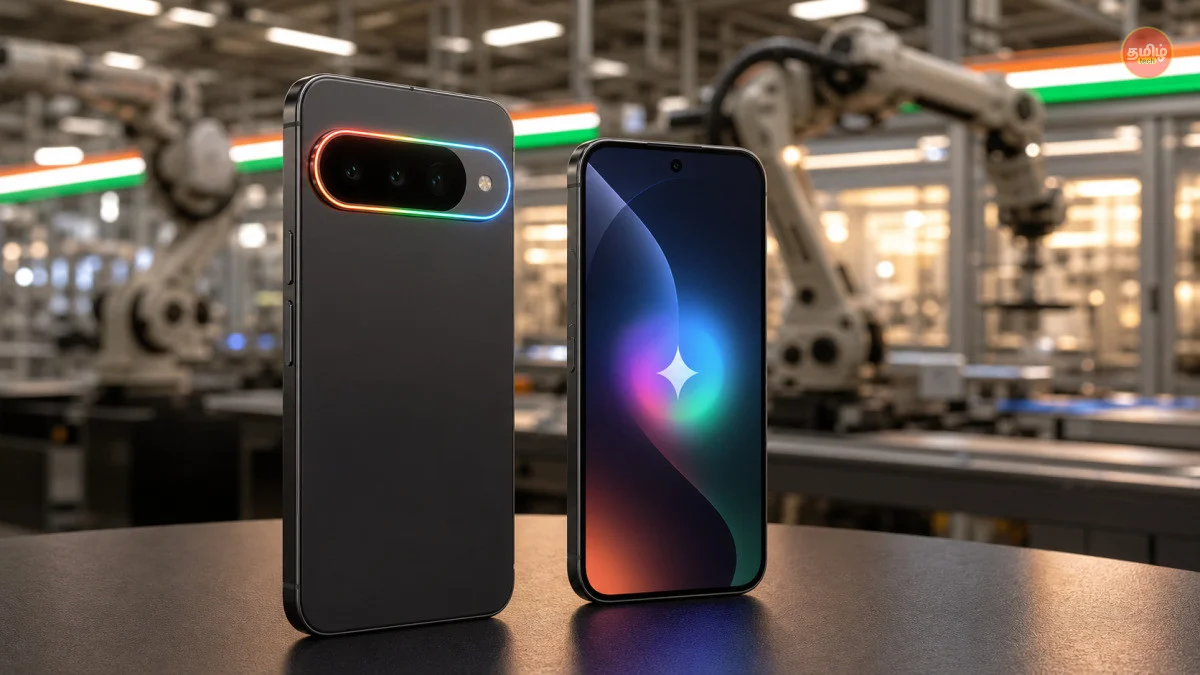
- The Pixel 11 Pro features 'Pixel Glow', a multi-functional micro-LED ring integrated into the camera bar for AI status and notifications.
- It is powered by the new Tensor G6 chip, built on a 2nm process for significantly better thermal management and battery efficiency.
- Google has confirmed that the Pixel 11 Pro will be assembled in India, potentially keeping the starting price around ₹1,14,999.
- The device introduces 'Ultra-Sense' satellite connectivity 2.0, allowing two-way messaging even in remote parts of India without cellular coverage.
The Surprise Reveal: Google Skips the Leaks
In a move that has caught the entire tech industry off guard today, August 1, 2026, Google has released an official 'first look' at the upcoming Pixel 11 Pro. Usually, we are used to seeing blurry renders and factory leaks months before a launch, but this time, Google decided to take control of the narrative. The teaser doesn't just show a phone; it shows a vision of how AI and hardware will merge in the next two years. The most striking feature? A pulsating, ethereal light strip that Google is officially calling 'Pixel Glow'. This isn't just a gimmick; it seems to be the heartbeat of the new Gemini 3.0 integration that we've been hearing about.
We at TamilTech have been following the Pixel journey closely since the radical redesign of the Pixel 6. Over the years, Google has struggled with two main things: hardware heating and consistent performance in the Indian summer. With the Pixel 11 Pro, they aren't just promising a prettier phone; they are claiming to have fixed the fundamental issues that held back previous generations. The design language is an evolution, moving away from the sharp edges of the 2025 models to a more 'pebble-like' ergonomic feel that fits perfectly in the hand, even with its massive 6.8-inch display.
What Exactly is 'Pixel Glow'?
Let's talk about the elephant in the room—or rather, the light on the back. 'Pixel Glow' is a sophisticated micro-LED array embedded within the iconic horizontal camera bar. But it’s not just an RGB light for gamers. It’s a functional interface. When you interact with Gemini, the light pulses in specific patterns to show it’s listening or processing. If you have an incoming call from a 'Priority Contact', the glow changes to a pre-set color. Think of it as a much more elegant version of the Nothing Phone's Glyph interface, but deeply integrated into the OS. During our analysis of the teaser, it's clear that the glow also acts as a soft-fill light for macro photography, which is a genius move for mobile photographers.
The Glow also serves as a battery indicator while the phone is charging face down. As the phone reaches 100%, the light slowly fills the entire bar. In a world where we are constantly glued to our screens, this 'ambient information' system allows you to stay informed without actually waking up the display. For Indian users who often keep their phones on silent during office meetings or family gatherings, this visual cue is going to be a game-changer. It’s subtle, it’s premium, and it feels very 'Google'.
The Powerhouse: Tensor G6 and 2nm Architecture
Under the hood, the Pixel 11 Pro is confirmed to run on the Tensor G6. This is a massive deal because, for the first time, Google is utilizing a 2nm manufacturing process. If you've used a Pixel 8 or 9 in the past, you know that they could get quite warm during heavy 5G usage or 4K video recording. The Tensor G6 aims to end that. By moving to a 2nm process, Google is promising a 30% increase in power efficiency. This means that even with the 'Pixel Glow' and the high-brightness 3000-nits LTPO 4.0 display, you can comfortably expect a two-day battery life on moderate usage.
RAM management has also seen a significant bump. The base Pro model now starts with 16GB of LPDDR6 RAM. Why so much? Because Google is running most of its AI models 'on-device'. This means your data doesn't have to go to the cloud for every small task, making the phone faster and more private. For us in India, where data speeds can be inconsistent in rural areas, having a powerful on-device AI means your voice typing, live translation, and photo editing will work flawlessly even without a stable 5G connection.
India Impact: Pricing and Local Manufacturing
This is where things get interesting for the Indian market. Google has significantly ramped up its manufacturing partnerships with Dixon and Foxconn within India. The Pixel 11 Pro will be 'Assembled in India', which helps Google avoid the heavy import duties that usually plague flagship pricing. Based on current trends and our internal data, we expect the Pixel 11 Pro to launch at ₹1,14,999 for the 256GB variant. While it's still a premium price, it puts it in direct competition with the upcoming iPhone 18 series and the Galaxy S27 Ultra.
Availability is expected to be much wider this year. Beyond Flipkart, Google is expanding its presence in offline retail chains like Croma and Reliance Digital across major cities like Chennai, Bangalore, and Mumbai. They are also introducing a 'Pixel Passport' service program in India, offering pick-and-drop repair services in over 25 cities. This has been a major pain point for Indian Pixel fans, and seeing Google address this head-on is a huge win for the community. If you are planning to upgrade your phone in late 2026, this is definitely the one to watch out for.
Camera Evolution: Beyond Just Megapixels
The camera bar on the Pixel 11 Pro looks slightly thicker, and for a good reason. It houses a new 1-inch main sensor that captures 40% more light than the Pixel 10 Pro. But the real magic is the 'AI-Variable Aperture'. The phone can mechanically and digitally adjust its aperture based on the depth of the scene. In our view, this will make the Pixel 11 Pro the king of natural bokeh. No more weird blurry edges around your hair in portrait shots—it’s going to look like it was shot on a DSLR.
For video creators in India—the YouTubers and Reel makers—Google is introducing 'Cinematic Glow'. This feature uses the back LED strip to provide a subtle skin-tone enhancement while you are filming someone in low light. It's like having a professional ring light built into your phone. Coupled with the new 10x optical periscope lens, the zooming capabilities are expected to reach 150x with 'Super Res Zoom 3.0', which uses AI to reconstruct details that the lens can't physically see.
Comparison: Pixel 11 Pro vs. The Competition
When you compare this to what Samsung and Apple are doing in 2026, Google is clearly taking a 'Software-First' approach. While Samsung is focusing on foldable durability and Apple is pushing for a port-less design, Google is focusing on making the phone 'smarter'. The Pixel 11 Pro doesn't just feel like a slab of glass; it feels like a personal assistant. However, there are cons. The 'Pixel Glow' might be a battery drain if not optimized correctly, and the 2nm Tensor G6 is still an unproven chip compared to the mature Snapdragon 8 Gen 5 or 6.
Pros: Unmatched AI integration, best-in-class still photography, unique design, and improved India after-sales service. Cons: High entry price, the 'Glow' might be polarizing for minimalists, and Google's history of software bugs in the first few months of launch. If you are someone who loves photography and wants the cleanest Android experience, the choice is clear. But if you are a hardcore gamer, you might still want to look at dedicated gaming phones or the latest Galaxy flagships.
TamilTech’s Verdict: Should You Wait?
So, what do we think at TamilTech? The Pixel 11 Pro looks like the most 'complete' phone Google has ever made. The 'Pixel Glow' isn't just for show—it represents a new way of interacting with our devices. We are particularly excited about the 2nm Tensor G6 because thermal throttling has been the Achilles' heel of the Pixel series in India. If Google manages to keep the phone cool during a 40-degree Chennai summer while recording 4K video, they have a winner on their hands.
What's next? Google is expected to hold a full launch event in October 2026. Until then, we expect more details about the 'Pixel 11' (non-pro) and the 'Pixel Fold 3' to surface. Our advice? If you are using a Pixel 8 or older, the jump to the 11 Pro will be massive. If you have a Pixel 10, you might want to wait for the full reviews to see if 'Pixel Glow' is truly useful or just a fancy light. Either way, the smartphone market in 2026 just got a lot more interesting.






Comments (0)
Be the first to comment!