


Key Takeaways
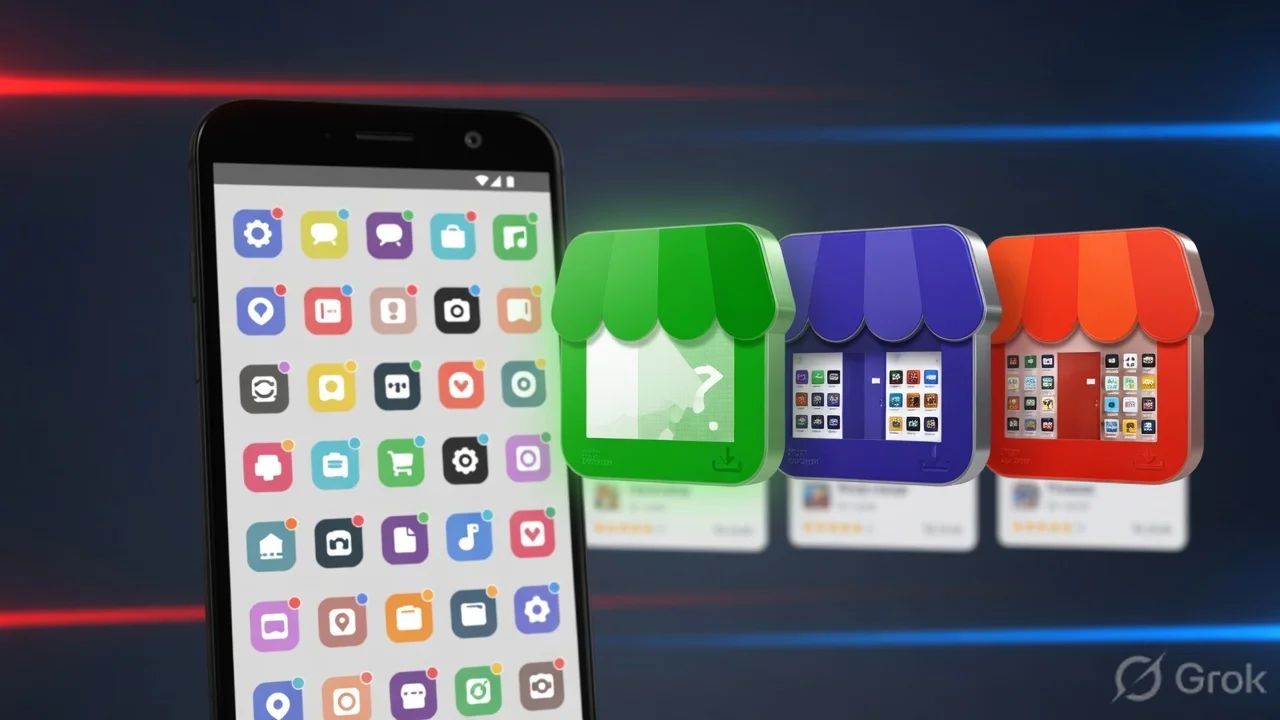
- Google will allow third-party app stores to be listed and downloaded directly within the Google Play Store starting next week.
- This change follows the final court mandate from the Epic Games vs. Google lawsuit, ending Google's exclusive control over Android app distribution.
- Developers can now integrate their own payment systems without paying Google's mandatory 15-30% commission fee.
- For Indian users, this means easier access to stores like PhonePe's Indus Appstore and the Epic Games Store without 'sideloading' risks.
The Monopoly is Finally Cracking
So, here is the thing — for years, Google has treated the Play Store like its own private kingdom. If you wanted an app, you went to the Play Store. If a developer wanted to sell something, they had to give Google a massive 30% cut. But all of that is changing next week. After a long, messy legal battle with Epic Games (the folks behind Fortnite), Google has been forced to tear down the walls. This is not just some minor update; it is a total shift in how Android works in 2026.
Look, we have all been there. You want to install an app that is not on the Play Store, and you get those scary 'Unknown Sources' warnings. Google made it feel like you were inviting a virus into your home just for trying an alternative. But from next week, you will be able to search for the 'Epic Games Store' or other regional app stores right inside the Play Store itself. It is a massive win for choice, and honestly, it is about time. The tech giant tried to fight this until the very last minute, but the court was clear: competition must exist.
How We Got Here: The Epic Battle
To understand why this is happening now in July 2026, we have to look back at the drama that started years ago. Epic Games sued Google, claiming that the Play Store was an illegal monopoly. While Apple won a similar case on some technicalities, Google lost big time. The jury found that Google was paying off phone manufacturers and carriers to make sure no other app store could ever succeed. It was a 'pay-to-play' system that kept prices high for users and profits even higher for Google.
The court's final order was brutal for Google. It mandated that for the next few years, Google cannot force developers to use 'Google Play Billing.' It also said Google must allow rival app stores to live inside the Play Store. Google spent millions on lawyers trying to delay this, but the clock has run out. Next week marks the official deadline for these changes to go live. This isn't just about games; it's about every single app on your phone potentially becoming cheaper because the 'Google Tax' is disappearing.
The Details: What Actually Changes Next Week?
So, what happens when you open your phone next Monday? First, you will see a more diverse Play Store. Other companies can now list their own app stores as apps. Imagine downloading a store specifically for Indian indie games, or a store that only focuses on open-source productivity tools. You download them just like any other app, and from there, you can manage your software updates through those third-party stores. No more annoying APK downloads from random websites.
The second big change is the money. Up until now, if you bought a subscription on an app, Google took a huge chunk. Now, developers can show you their own payment links. They can say, 'Hey, pay via UPI directly and get 20% off.' Because they don't have to pay Google, they can pass those savings on to you. This is going to make digital services, streaming subscriptions, and in-game items much more affordable for the average user. Google is also prohibited from 'steering' users away from these options with scary pop-up messages.
The India Impact: A Huge Win for Local Developers
In India, this is a game-changer. We have already seen the rise of the Indus Appstore by PhonePe, but it struggled because users had to jump through hoops to install it. Now, Indus can be right there on the Play Store. For Indian startups who have been protesting against Google's high commissions for years, this is a day of celebration. We are talking about companies like Matrimony.com and various gaming startups that can finally keep their hard-earned revenue.
Furthermore, this aligns perfectly with what the Competition Commission of India (CCI) has been pushing for. India is one of the largest markets for Android, and local developers have often felt bullied by Google's global policies. With third-party stores allowed, we might see 'Hyper-Local' stores that cater specifically to Indian languages and needs, integrated with UPI at the core. This could lead to a massive boom in the Indian app economy, creating more jobs and better apps for us.
How to Use Third-Party Stores Safely
Even though this is great news, you still need to be careful. Here is how it will work: 1. Open the Google Play Store. 2. Search for a verified third-party store (like Epic or Indus). 3. Install it. 4. When you open that new store, you might have to grant it permission to 'Install Unknown Apps' — this is a standard Android security feature. 5. Once granted, you can browse and install apps from that store just like you do on Play Store.
Our advice at TamilTech is to stick to well-known stores. Don't just download any random 'App Store' you see. Stick to the big names that have a reputation to protect. Google will still be scanning these apps with Play Protect, but the primary responsibility for updates will now lie with the store you chose. If you download a game from the Epic Games Store, you will need to open the Epic app to update it in the future. It is a small price to pay for more freedom and lower prices.
Pros and Cons: The Honest Breakdown
Let's talk about the good and the bad. The Pros are obvious: lower prices, more variety, and no more monopoly. You get to decide who gets your money, not Google. It also encourages Google to actually improve the Play Store instead of just sitting back and collecting rent. Competition always leads to better features for the users. If another store offers better customer support or easier refunds, Google will have to match that.
The Cons? It might get a bit confusing. Your apps might be scattered across three different stores. You might forget where you bought that premium photo editor. Also, security is a slight concern. While the big players are safe, smaller stores might not have the same level of malware detection that Google has perfected over the last decade. You will need to be a bit more tech-savvy to manage your digital life. But honestly, for most of us, the benefits of lower costs far outweigh these minor inconveniences.
TamilTech's Take: What to Expect Next
We think this is the biggest thing to happen to Android since its launch. For too long, we have accepted the 30% tax as a fact of life. Now, that wall is falling. Expect a flurry of new store launches in the coming months. We might even see Amazon bring its full Appstore experience to Android phones more aggressively. Google isn't going to take this lying down, though. They will likely try to make their own store so 'convenient' that you won't want to leave, which is exactly how competition should work!
What should you do? For now, nothing. Just wait for next week. Once the new stores start appearing, take a look at the pricing. If your favorite game is cheaper on the Epic Store, make the switch. If a local Indian store offers better regional apps, give it a try. This is your phone, and you finally have the right to use it however you want. We will be testing all the new stores as they launch and will bring you a detailed comparison soon. Stay tuned to TamilTech for the latest updates on this digital revolution!



Comments (0)
Be the first to comment!