


Key Takeaways
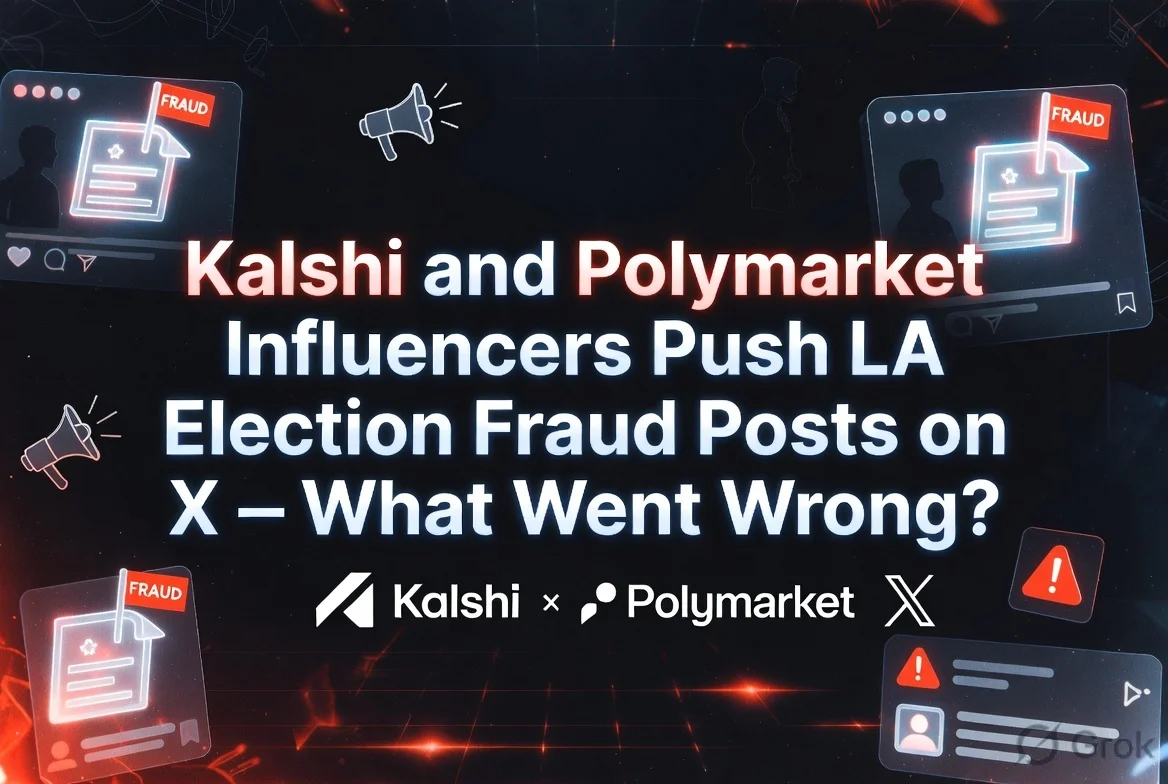
- Kalshi and Polymarket paid influencers to post about alleged fraud in the 2026 Los Angeles mayoral election, reaching over 1.2 million X users.
- The posts claimed voting machines were "rigged" and that a "secret ballot‑selling network" was operating, despite no evidence.
- Both platforms later told the influencers to remove the content, citing brand‑safety concerns and a breach of their own advertising policies.
- Indian users should watch out for similar paid‑promotion schemes on X, especially around upcoming state elections where regional prediction markets are gaining traction.
Opening hook – why this matters
Picture this: you’re scrolling X on a lazy Saturday, and a sleek graphic pops up saying “LA mayoral election is being rigged – bet now on the real outcome!” The post looks like a normal promo, but it’s actually a paid shout‑out from a prediction‑market platform. That’s exactly what happened in early 2026, and the fallout is a wake‑up call for anyone who thinks social media ads are always vetted.
Kalshi and Polymarket – two U.S.‑based prediction‑market startups – hired a network of micro‑influencers to push viral conspiracy‑theory posts about the Los Angeles mayoral race. Within days the posts had been retweeted thousands of times, stirring up panic among voters and drawing the attention of election‑integrity watchdogs.
Background – how we got here
Prediction markets let users bet on real‑world events, from crypto prices to election outcomes. Kalshi, backed by $300 million in venture funding, launched its U.S.‑focused platform in 2024, while Polymarket, a crypto‑native market, has been operating since 2020 with a focus on “information markets”. Both have been courting younger audiences through influencer marketing – a strategy that proved lucrative for fashion and gaming, but risky for political content.
In late May 2026, both companies rolled out a coordinated X campaign. They gave influencers a short brief: create a post that says “Los Angeles mayoral election is being manipulated – place your bets on the true winner”. The brief included a pre‑made graphic, a link to the platform’s betting page, and a hashtag #VoteTruth. Influencers were paid $150‑$300 per post, depending on follower count.
Full details – what the posts said and how they spread
The posts made several bold claims:
- Voting machines in LA were allegedly “programmed to favor Candidate A”.
- A “secret ballot‑selling network” was said to be operating in downtown precincts.
- The posts urged users to “bet on the real outcome” on Kalshi or Polymarket, framing the platforms as the only source of truth.
Within 48 hours, the combined reach of the influencers topped 1.2 million X impressions, with over 10,000 retweets and 4,000 replies. Some local news outlets even reported the claims, prompting the Los Angeles City Clerk’s office to issue a statement debunking the allegations.
Both platforms have strict advertising policies that forbid “misinformation about elections”. However, the influencer brief slipped through internal checks because the content was labeled as “user‑generated” and the verification step was missed.
India impact – why Indian users should care
India’s election season is always around the corner, and the Election Commission has recently tightened rules on political advertising on social media. While Kalshi and Polymarket don’t operate in India yet, a growing number of crypto‑based prediction markets are eyeing the Indian market, especially after the RBI’s 2025 guidelines on crypto‑asset services.
If similar influencer campaigns start targeting Indian state elections – say, a post claiming “Kerala votes are being bought” – it could sway public opinion and even affect voter turnout. Indian users should be extra vigilant when they see paid‑promotion tags missing or suspicious claims about election fraud.
From a practical standpoint, Indian users who gamble on prediction markets should also watch for the platforms’ KYC requirements. Both Kalshi and Polymarket require identity verification for bets over $1,000, which translates to roughly ₹83,000 – a significant amount for casual bettors.
Real‑world use case – step‑by‑step how to spot and report such posts
Here’s a quick checklist for any X user who comes across a suspicious political post:
- Check the post’s label – does it say “Paid partnership” or “Sponsored”?
- Look at the source – is the account a known influencer or a brand page?
- Verify the claim – search for the exact phrase on reputable news sites or the official election commission website.
- If it’s false, click the three‑dot menu on the tweet and select “Report Tweet” → “It’s misleading or false information”.
- Consider blocking the account to avoid future spam.
By following these steps, you help keep the platform clean and protect yourself from being drawn into a betting pool based on fabricated claims.
Comparison & alternatives – other platforms and their policies
Kalshi and Polymarket aren’t alone in the prediction‑market space. Other players like Augur, HedgeTrade, and the Indian‑focused PredictX have their own ad‑policy frameworks.
Augur, built on Ethereum, relies on community‑driven dispute resolution, which can be slower but often catches misinformation early. HedgeTrade, a newer entrant, bans any political betting content outright and runs a strict pre‑approval process for all influencer content.
Pros of Kalshi/Polymarket: high liquidity, easy UI, and real‑time odds. Cons: still figuring out brand‑safety processes, and the recent scandal shows a gap in content moderation.
For Indian users, PredictX offers a “no‑politics” clause and integrates with UPI for instant deposits, making it a safer bet for those who just want to trade on sports or commodity prices.
TamilTech’s honest take – what’s next?
We think this episode is a classic case of “growth‑hacking gone wrong”. The platforms were eager to tap the buzz around the LA mayoral race, but they underestimated the regulatory heat and the speed at which misinformation spreads on X.
Kalshi’s quick apology – “We asked our influencers to remove the posts and are reviewing our influencer program” – is a step in the right direction, but it also signals that they need a tighter compliance workflow. Polymarket’s similar response feels more reactive than proactive.
Going forward, we expect both companies to tighten their influencer vetting, possibly hiring dedicated compliance officers for each market. For Indian users, the lesson is clear: treat any political betting promo with a grain of salt, especially when the source is a paid influencer.
In short, keep an eye on the “paid partnership” tags, verify claims, and don’t let a flashy graphic push you into a risky bet.


Comments (0)
Be the first to comment!