


Key Takeaways
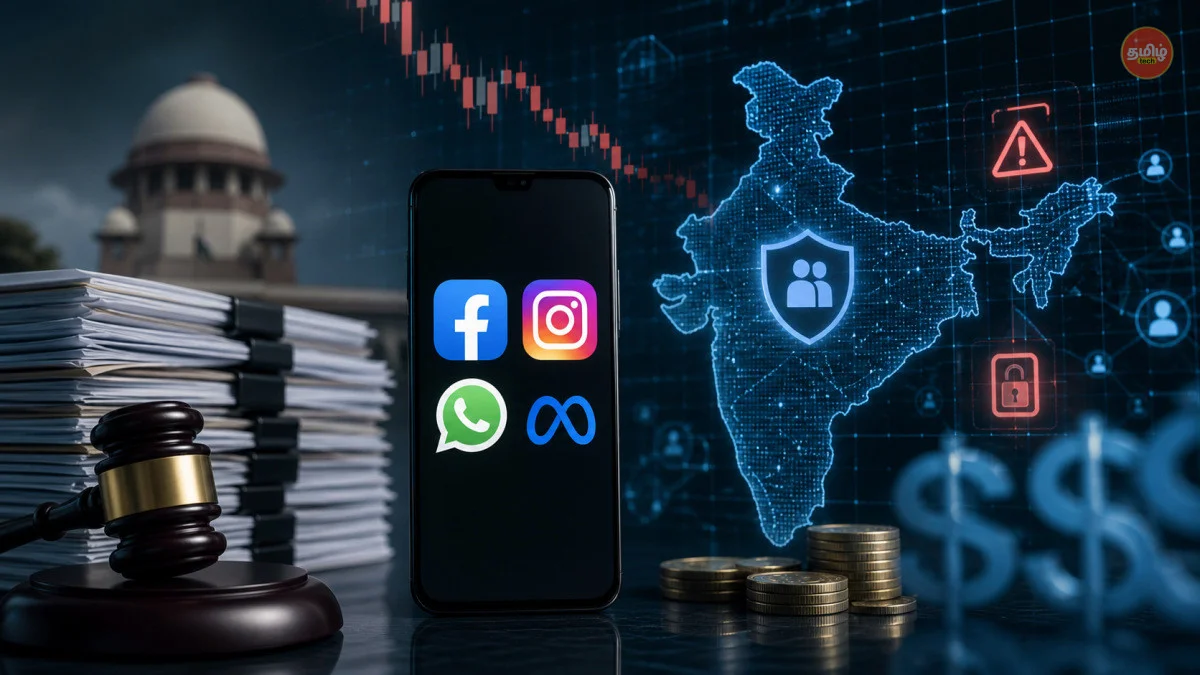
- Meta ordered to pay an additional $567 million in public nuisance ruling
- This brings total penalties against Meta to over $1 billion in recent cases
- Indian users might see changes in content moderation and data policies
- The ruling could set precedent for tech companies operating in India
- Meta's stock dropped 5% following the announcement
What's the news
Meta, the parent company of Facebook, Instagram, and WhatsApp, has been ordered to pay an additional $567 million in a public nuisance ruling. This latest penalty follows previous fines and legal challenges against the tech giant. The ruling stems from allegations that Meta's platforms have contributed to societal harm through their business practices and content moderation policies.
Details
The public nuisance ruling specifically addresses Meta's role in facilitating the spread of harmful content and its impact on public discourse. The court found that Meta's algorithms and content policies have contributed to the proliferation of misinformation, hate speech, and other harmful content. The $567 million penalty is in addition to previous fines the company has faced in various jurisdictions.
Meta's legal team has indicated they plan to appeal the decision, arguing that the ruling overreaches and places undue responsibility on technology platforms for content created by users. The company maintains that they have implemented numerous measures to address harmful content and that they cannot be held liable for every piece of content that appears on their platforms.
India impact
For Indian users, this ruling could have significant implications. India has one of the world's largest user bases for Meta platforms, with over 400 million people using Facebook and Instagram combined. The increased scrutiny and potential changes to Meta's operations could lead to:
- More stringent content moderation in India
- Potential changes to how Indian users' data is handled
- Increased compliance costs that might be passed on to Indian advertisers
- Greater government oversight of tech platforms operating in India
The Indian government has been increasingly focused on regulating tech companies, with recent rules requiring significant social media platforms to appoint grievance officers and follow stricter content moderation guidelines. This ruling adds to the pressure on Meta to comply with local regulations and may accelerate the implementation of India-specific features and policies.
Use cases
This ruling affects various stakeholders in the tech ecosystem:
For Users
- Indian users may experience more content filtering and reduced exposure to certain types of content
- Potential changes to how personal data is collected and used
- More transparent content moderation practices
For Businesses
- Indian advertisers on Meta platforms may face increased costs
- Businesses need to be more careful about the content they promote
- Increased compliance requirements for marketing campaigns
For Developers
- API changes and stricter guidelines for third-party apps
- More rigorous review processes for apps integrating with Meta platforms
- Potential limitations on data access and usage
For Content Creators
- Stricter content guidelines and monetization requirements
- Potential changes to how content is recommended and distributed
- Increased responsibility for content quality and safety
Honest take
Let's be real here - this $567 million penalty is just a drop in the ocean for a company valued at over $800 billion. Meta can easily afford this without breaking a sweat. The real question is whether these fines actually change anything or if they're just business as usual for big tech.
For Indian users, this might mean slightly better content moderation, but let's not get our hopes up too high. The fundamental issues with how these platforms operate remain largely unchanged. Meta will continue to prioritize engagement and revenue over user wellbeing, regardless of how many fines they pay.
What we really need is meaningful regulation that holds these companies accountable for their business models, not just occasional fines that they can easily absorb. Until then, we'll likely see more of these headlines without any real change in how our data is used or how these platforms operate in India.



Comments (0)
Be the first to comment!