


What’s the buzz?
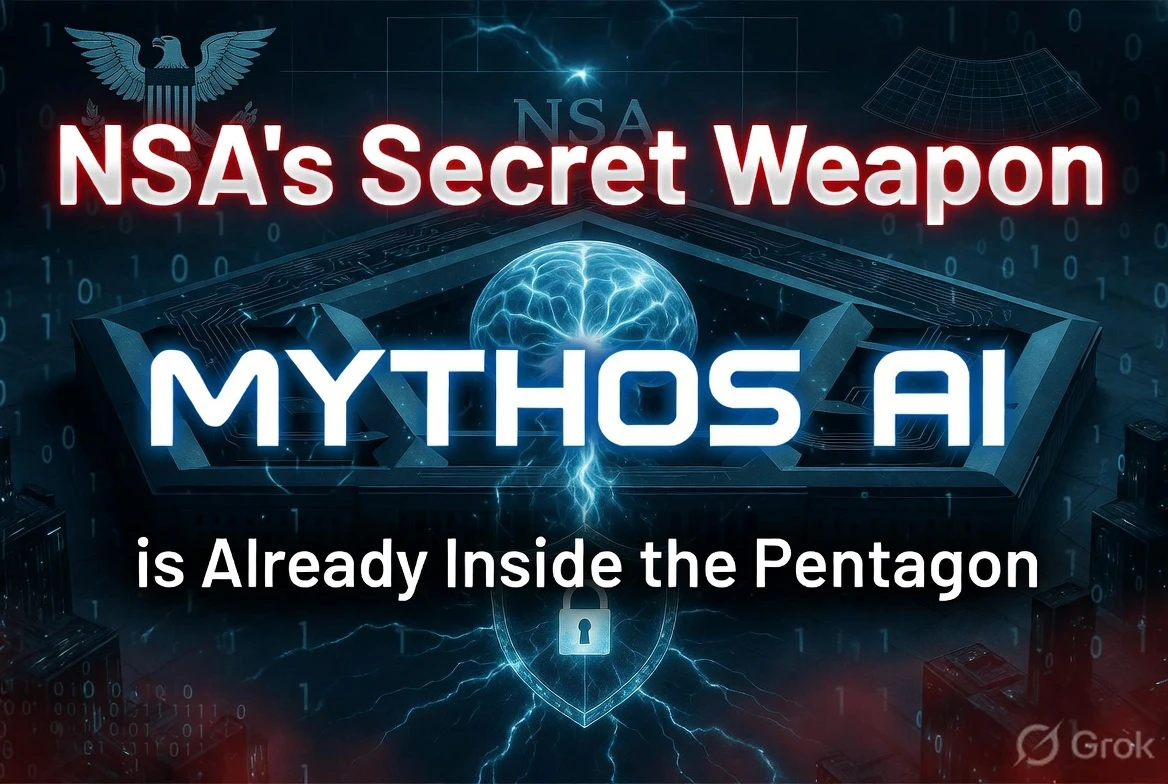
Imagine a chatbot that can read classified documents, draft intel reports and even suggest counter‑measures – all in a blink. That’s what the US National Security Agency (NSA) is doing with a new AI model called Mythos, built by Anthropic. While the agency calls it a "preview" rollout, insiders say the model is already being used widely inside the Department of Defense (DoD). And guess what? Anthropic has tagged the model with a "supply‑chain risk" warning, meaning the government is basically betting on a technology that even its creator says could be risky.
How Mythos works – in plain English
Mythos is a large language model (LLM) that’s been fine‑tuned for security‑grade tasks. Think of it as a super‑charged version of ChatGPT that has been trained on a massive trove of classified and unclassified intel. It can:
- Summarize intercepted communications in seconds.
- Generate threat assessments with citations.
- Answer "what‑if" scenarios for battlefield planning.
All of this happens inside a highly isolated environment – the so‑called "air‑gapped" servers that the DoD uses for its most secret work.
Why the DoD is digging in
The Department of Defense is under pressure to modernise. Their traditional analyst pipelines take days, sometimes weeks, to turn raw data into actionable intel. Mythos slashes that to minutes. A senior officer (who asked not to be named) told us that a single analyst can now produce the same briefing that used to need a team of five. The speed boost is a game‑changer for real‑time operations, especially in the Indo‑Pacific where India’s own navy is ramping up AI‑driven decision support.
Supply‑chain risk – what does that even mean?
Anthropic labelled Mythos with a "supply‑chain risk" designation. In layman terms, it means the model could be vulnerable to hidden backdoors, data poisoning, or malicious updates from third‑party components. The agency is basically saying, "We know the risk, but the payoff is worth it." This mirrors the US government’s earlier gamble on other AI tools like Google’s Gemini for satellite image analysis.
Impact on Indian defence and tech ecosystem
India watches the US playbook closely. The Ministry of Defence is already experimenting with AI for logistics and border surveillance. If the US can deploy a risky model at scale, it raises two questions for us:
- Should Indian agencies adopt similar models, or wait for a home‑grown alternative?
- What does this mean for Indian AI startups that want to supply the defence sector?
The answer: Indian firms need to up their security‑by‑design game. Companies like Tata Advanced Systems and DRDO are already building "trusted AI" pipelines, but they’ll have to prove they can avoid the pitfalls that got Anthropic’s warning.
TamilTech’s take – is this a smart move?
From our perspective, the NSA’s gamble is a double‑edged sword. On one hand, the speed and depth of analysis Mythos offers can save lives and give the US a strategic edge. On the other, deploying a model flagged for supply‑chain risk could open a backdoor for adversaries – something that could be catastrophic if the model ever leaks. For Indian users, the lesson is clear: AI isn’t just a cool gadget; it’s a critical infrastructure component. When you see a new AI service, ask yourself:
- Is the provider transparent about data handling?
- Do they have a clear security audit trail?
- Can you run the model in an air‑gapped environment?
If you’re a security‑conscious developer, start experimenting with open‑source LLMs like LLaMA or Falcon in a sandbox before you trust any commercial offering.
What’s next?
We expect the NSA to expand Mythos beyond the preview phase within the next six months, possibly integrating it with other US agencies like DARPA and the CIA. The DoD will likely roll out a standardized API for internal units, meaning more analysts will be using AI daily. For India, the next step is watching how the US handles any fallout – a data breach or a model‑bias scandal could reshape global AI policy. Meanwhile, Indian policymakers should start drafting guidelines that balance rapid AI adoption with strict supply‑chain vetting.
Bottom line
Mythos is a powerful but risky tool that the US is betting on heavily. It signals a shift: AI is now a frontline asset in national security, not just a consumer toy. Indian tech leaders and defence officials need to take note, tighten their own AI supply chains, and maybe even start building a "Made‑in‑India" alternative before the next wave hits.





Comments (0)
Be the first to comment!