


Key Takeaways
- Nvidia is investing heavily in building its own AI data centers, not just selling chips.
- This partnership with Cloverleaf signals a shift from supplier to direct infrastructure player.
- For India, this could mean faster access to cutting-edge AI computing power for local startups and enterprises.
- The move is a direct response to the massive demand for Nvidia's GPUs in the AI boom.
- Expect more such partnerships as the AI arms race heats up globally.
What's the News?
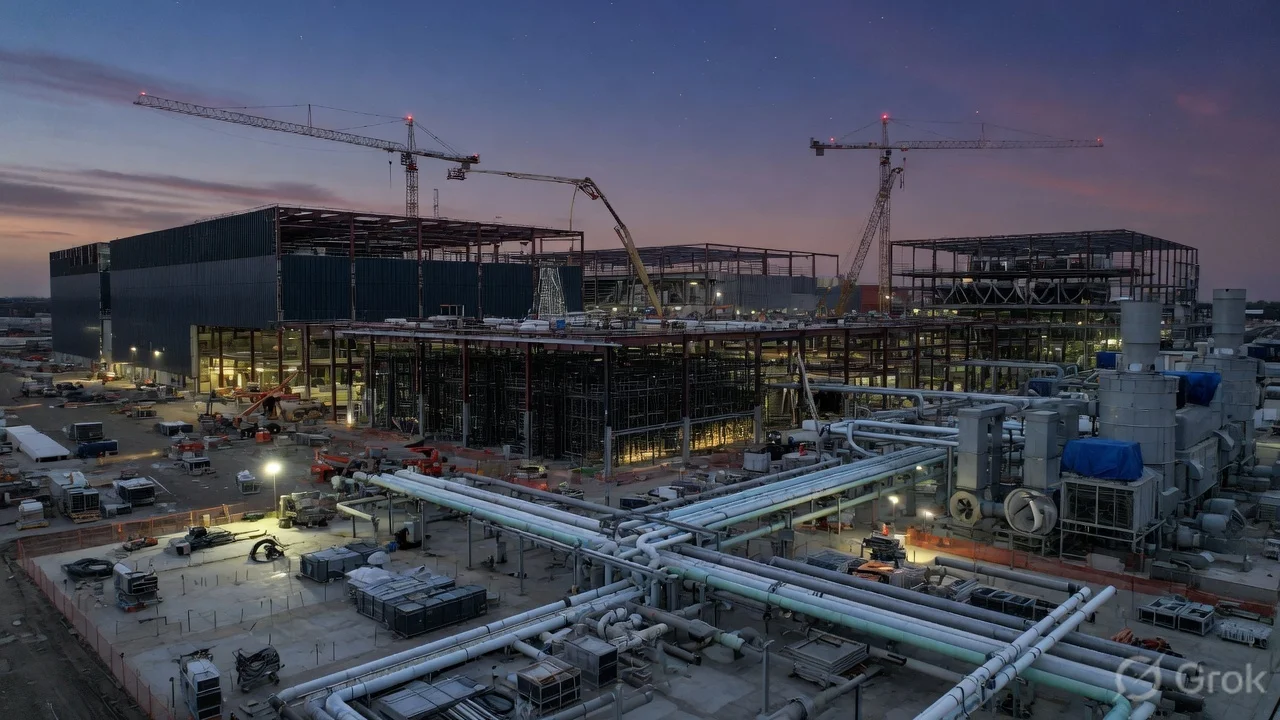
In a move that's shaking up the tech world, Nvidia has announced a major partnership with data center developer Cloverleaf. This isn't just another deal; it's a strategic shift. Nvidia, the king of AI chips, is now putting its money where its mouth is by directly investing in building the very data centers that will power the next generation of artificial intelligence. The partnership aims to co-develop and deploy massive, cutting-edge data center facilities specifically designed to run Nvidia's powerful hardware at full tilt. Think of it as Nvidia not just selling the engine, but also building the racetrack.
Details of the Partnership
The core of this deal is about co-development and deployment. Nvidia will bring its expertise in AI computing, including its latest GPUs and networking solutions. Cloverleaf, on the other hand, brings the real estate, construction muscle, and operational know-how to build and manage large-scale data center campuses. The goal is to create facilities that are optimized for the intense power and cooling requirements of modern AI workloads. These won't be your average server farms; we're talking about hyperscale facilities designed from the ground up for massive parallel processing. The initial focus will be on building out capacity in key regions, with a long-term vision for a global network of AI-ready data centers.
Why This Matters for India
For India's tech ecosystem, this partnership could be a game-changer. Currently, access to top-tier AI computing power can be limited and expensive, often requiring companies to rely on cloud providers or import specialized hardware. With Nvidia directly involved in building more data centers, there's a potential for increased capacity and more competitive pricing. This could be a huge boost for Indian startups working on AI, from language models tailored for Indian languages to computer vision applications for agriculture and healthcare. It could also help Indian enterprises, from banking to retail, deploy sophisticated AI solutions without the massive upfront capital expenditure. The focus on building local capacity aligns perfectly with India's 'Digital India' and 'AI for All' initiatives, potentially accelerating the country's journey to becoming a global AI hub.
Real-World Use Cases
The impact of these new data centers will be felt across various sectors. In healthcare, they could power AI models that analyze medical scans with superhuman accuracy, helping doctors in rural India get better diagnoses. For the agricultural sector, these facilities could run complex models that predict crop yields, optimize irrigation, and detect pest infestations early, directly benefiting farmers. In finance, they could enable real-time fraud detection and personalized financial advice at scale. The entertainment industry could use them to generate hyper-realistic content or power the next generation of gaming. Even in education, these AI models could power personalized learning platforms that adapt to each student's pace and learning style, making quality education more accessible.
Honest Take
Let's be real, this is a smart, aggressive move by Nvidia. They've realized that as AI becomes more critical, controlling the entire stack—from chip to data center—gives them a massive competitive advantage. For customers, this could mean better performance and more reliable access to the computing power they need. However, it also raises questions about market concentration. If Nvidia controls both the chips and the primary infrastructure, it could create a powerful ecosystem that's hard for competitors to break into. For India, while the potential benefits are huge, we'll need to ensure that this power is used to foster innovation and not just create another dependency. The key will be how this partnership plays out on the ground—whether it leads to more affordable, accessible AI for Indian innovators or just reinforces Nvidia's dominance.
Frequently Asked Questions
Q: What exactly is Cloverleaf?
A: Cloverleaf is a data center developer, meaning they specialize in building and managing the large facilities where servers and networking equipment are housed. They are experts in real estate, construction, and the complex logistics of running a data center.
Q: How is this different from Nvidia just selling chips to Amazon or Google?
A: It's a fundamental shift. Instead of just being a supplier to other companies (like Amazon Web Services or Google Cloud), Nvidia is now a direct partner in building and owning the infrastructure. This gives them more control over how their technology is used and deployed.
Q: Will this make AI cheaper for Indian startups?
A: It has the potential to. By increasing the supply of AI-ready data center capacity, competition could drive down prices. However, the final impact on pricing will depend on how Nvidia structures its deals and the overall market demand.
Q: Is this about building data centers only in the US?
A: The initial announcements focus on key global markets, but the long-term vision is for a global network. Given the importance of the Indian market, it's highly likely that India will be a key part of this expansion strategy.
Q: What does this mean for other chip companies like AMD or Intel?
A: It puts them in a tougher spot. They now have to compete not just with Nvidia's technology, but also with Nvidia's entire ecosystem, which includes the data centers where their chips would need to be installed and operated.





Comments (0)
Be the first to comment!