


OpenAI bought a talk show. Let that sink in.
When people think of AI company acquisitions, they imagine startups with proprietary datasets, research labs with breakthrough models, or infrastructure companies with GPU clusters. A daily YouTube talk show hosted by two tech founders in Los Angeles was not on anyone's bingo card.
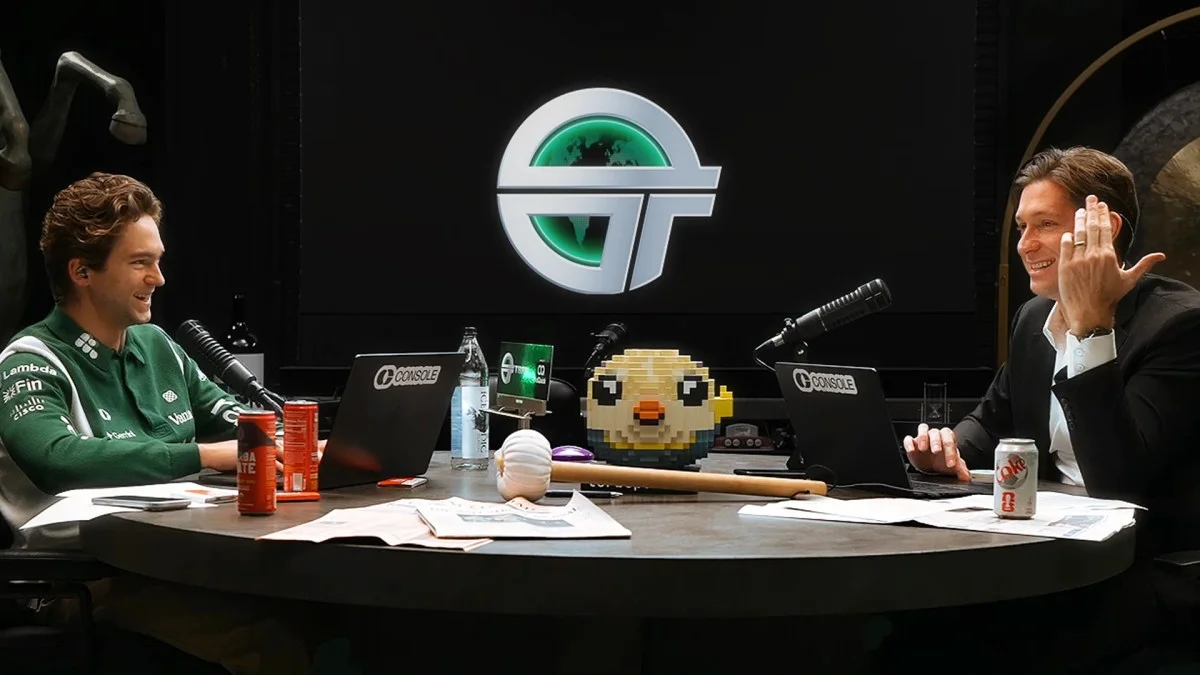
And yet on April 2, 2026, OpenAI announced it has acquired TBPN — Technology Business Programming Network — a three-hour daily live show that airs on YouTube and X, focusing on tech, business, AI, and defense. This is OpenAI's first acquisition of a media company, and if you look past the surface of "AI company buys podcast," there's a genuinely interesting strategic move happening here.
What is TBPN and why does it matter?
TBPN is not a podcast with 50,000 listeners. It's become something closer to an institution in Silicon Valley over the last couple of years. Hosted by John Coogan and Jordi Hays — both former tech founders — the show airs daily for three hours on YouTube and X. It's live, it's long-form, and it's become the place where serious tech power players go to speak candidly.
Mark Zuckerberg has appeared on it. So has Satya Nadella, Marc Benioff, and Sam Altman himself. The show is often described as the SportsCenter of the tech industry — a daily hub where deals get discussed, opinions get formed, and sometimes actual news gets made by the guests themselves.
Financially, TBPN is not a scrappy startup. The show was reportedly on track to pull in more than $30 million in revenue this year. That's an established media business, not a side project. OpenAI isn't buying a passion project — it's buying a profitable media operation with genuine audience loyalty and access to the tech industry's decision-makers.
Why would OpenAI buy this?
Fidji Simo, OpenAI's head of AGI deployment, was direct about the reasoning: the standard communications playbook doesn't apply to a company like OpenAI. She's right. OpenAI isn't selling a product that you can demo in a three-minute ad. What it's selling — or trying to explain — is a technology that may fundamentally change how the economy, work, and society function. That requires a different kind of public engagement.
TBPN's strength is exactly that different kind of engagement. It's not a press release distribution channel. It's a format where tech leaders have long, unscripted conversations. Where nuanced positions get explained over hours rather than minutes. Where a CEO can react to breaking news in real time, in a forum that tech-industry insiders and an increasingly large general audience actually watch and trust.
The show will report to Chris Lehane, OpenAI's chief political operative — the person responsible for OpenAI's relationship with regulators, governments, and public opinion. That's the clearest signal of how OpenAI sees TBPN: as a tool for narrative management and public engagement, not just entertainment content.
TBPN will continue to run as its own brand with editorial independence intact — the hosts will keep selecting guests, making editorial decisions, and running programming without OpenAI dictating content. That independence matters for the show's credibility. If audiences perceive TBPN as just OpenAI's propaganda arm, its value as a communication channel collapses. OpenAI seems to understand this: they're buying the platform and the talent, not trying to turn it into a ChatGPT advertisement.
The India angle — why this matters beyond Silicon Valley
India has a fast-growing tech podcast and YouTube discussion economy. Channels like Nikhil Kamath's conversations with founders, Zerodha's Varsity content, BeerBiceps, and various IIT alumni startup discussion formats have built massive audiences of Indian tech enthusiasts, founders, and professionals. The format TBPN represents — long-form, live, founder-to-founder tech conversation — has a genuine and growing audience in India.
OpenAI's ChatGPT has around 40 million monthly active users in India, making India one of ChatGPT's largest markets globally. When OpenAI shapes the narrative around AI through a show like TBPN, it's shaping narratives that will influence Indian tech policy discussions, startup community conversations, and how Indian companies think about AI adoption.
There's also a broader lesson here for Indian media and content businesses. The fact that a daily tech talk show with no technology product of its own built a $30 million annual revenue business through audience trust and access is a template that Indian tech media creators should study. The YourStory, Inc42, and Entrackr of the world have been doing something similar in text format. The video long-form version of that is still being built in India.
What this signals about the AI industry's next phase
The AI companies that win the next decade won't just be the ones with the best models. They'll be the ones that best manage public perception, regulatory relationships, and narrative control. OpenAI has been on the defensive for two years — the altruistic nonprofit origin story, the Sam Altman drama, the board firing and rehiring, the shift to a for-profit structure. The company needs to rebuild trust and shape how the public, regulators, and policymakers think about AI.
Buying TBPN is an admission that traditional PR and marketing can't do this alone. You need earned media — content that an audience chooses to engage with because it's genuinely valuable, not because it's paid placement. TBPN has spent years building exactly that kind of audience credibility in exactly the demographic that matters most to OpenAI: founders, investors, tech executives, and policy-adjacent insiders.
Watch for this pattern to continue. Google, Anthropic, and Meta are all going to face similar narrative challenges as AI regulation intensifies globally. Owning or closely partnering with media channels that can host these conversations is going to become a standard part of the AI company playbook.
TamilTech's take
OpenAI buying TBPN is less about content and more about control — specifically, the ability to participate in the conversations that shape how AI is understood by the people who matter most to OpenAI's future. $30 million in annual revenue means this wasn't a charity acquisition; it's a strategic investment in narrative infrastructure. For Indian tech observers, the lesson is simpler: the companies and creators who build genuine audience trust in the long-form conversation format are building something with real strategic value. AI companies will keep paying to access those audiences.

Comments (0)
Be the first to comment!