


- MeitY has questioned Pronto, Urban Company and Snabbit about footage recorded inside Indian homes, according to media reports.
- The ministry wants to know if that video is shared with overseas AI developers who train robots, and how consent and privacy work.
- No public finding has said the companies did this. Right now the story is the questions, not a verdict.
- Home-service apps already shoot before-and-after proof. In 2026 that same file is valuable to robotics labs.
- You can still refuse a recording, hide documents, and ask in app chat whether the visit will be filmed.
What just happened?
The doorbell rings. A stranger in a branded T-shirt walks into your hall with a mop, a toolbox, and a phone. Before the first bucket of water, the phone comes up. Click. Kitchen. Click. Bathroom tiles. You stand to the side with chai and pretend this is normal.
For a lot of Indian apartments, this is the weekend. Urban Company, Pronto, Snabbit — pick the app. The job is a few hundred rupees. The camera feels like a receipt.
MeitY just treated that receipt as a policy problem.
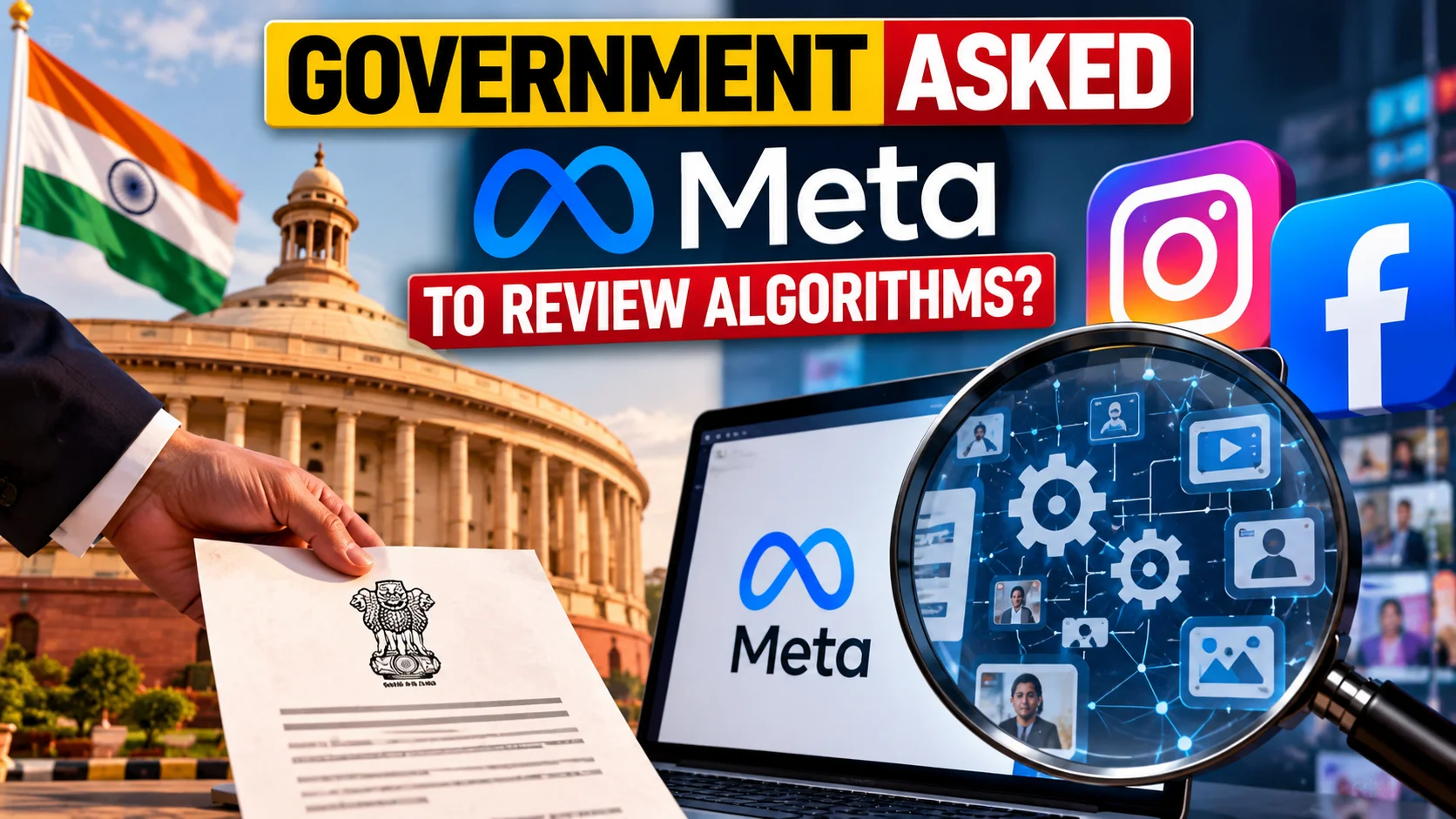
According to media reports, the ministry has questioned Pronto, Urban Company and Snabbit over footage recorded inside Indian homes. The questions are blunt. Are these companies sharing that footage with overseas AI developers? How do they take consent? How do they protect privacy?
This is not a raid story and not a ban. Reports describe questions, not a court finding. That distinction matters. A question can still tell you what the government is worried about: video from the rooms where you keep medicines, school bags, and the steel dabba you never show guests.
Home-service platforms live on proof. A customer says the bathroom was skipped. The worker says it was scrubbed. A photo ends the fight. That loop built the category. The update in 2026 is simple. The same photo is also a map of your house, and maps are catnip for people building robots.
How does this actually work?
A warehouse robot learns a clean, repeatable world. A home robot has to learn India. Wet granite. A folding bed. Wires behind the TV. A pressure cooker on the floor because the counter is full. You cannot fake that in a foreign lab and hope it works in Pune.
So robotics teams chase video of real chores. Someone wiping a stove. Someone moving chappals. Someone wringing a mop. Labs call it demonstration video: the Model watches a human do the job, then tries to copy the motion.
A home-service worker already carries a phone. The app already wants time-stamped proof. If those clips are stored, labelled, and later shared with an AI vendor, you have a pipeline. If they stay on a Server and die in a few weeks, you have a quality tool. MeitY is trying to find out which world these companies live in. Media reports have not published a confession. Treat going abroad as a question, not a proven dump of files.
Consent is the tea-stall argument. You tapped a box years ago. It said something about improving services. Did it mention overseas robot training in words a tired person would notice at 11 pm? Unlikely. A lawyer can call that notice. A family in a 1BHK will not.
Privacy is wider than a blurred face. A 15-second pan can show a school ID, a prescription, a laptop wallpaper, the inside of a cupboard. If that file travels to an AI developer abroad, you are not in the room when they decide who labels it or how long they keep it.
India's data protection law is meant to put a spine under this: personal data, purpose limits, security, and caution on sending data outside the country. The live fight is whether a house-cleaning clip counts, and whether the customer really agreed to this second use. We do not have the companies' written replies in public for this story. So we will not invent them.
What changes for people in India?
If you never opened these apps, you still live near someone who did. Urban Company is how many metro households get a cook, a plumber, a deep-clean. Pronto and Snabbit send a stranger through the same door and close the ticket with a photo.
What changes is the story you tell yourself about that photo. For years it was proof of work. Now it sits next to a global race to train household robots. Indian homes are interesting to that race because they are dense and messy, not California showrooms. That is a compliment to our chaos. It is also a reason to be stingy with video.
You paid a few hundred rupees for a clean floor. You did not volunteer as a motion-capture actor. That imbalance should annoy you a little.
Women home during a weekday slot, older parents who will not argue with a phone in their face, tenants who do not want a landlord seeing the flat on some cloud — they feel the camera first. A privacy PDF does not help at the door.
Do not expect the apps to vanish. Expect a future popup that mentions AI. Expect MeitY to keep poking any platform that mixes home access with cameras. The category is too big, and the robotics hunger is too obvious, for this to be a one-week headline.
What should you do now?
A ministry question is not proof that your last deep-clean is a robot's textbook. It is a flare. Treat it like one.
Before you book, ask in chat: will the professional photograph or record inside my house? If yes, is that file used only for the job, or also for AI? Save the reply. A screenshot beats a Terms page.
On the day, put IDs in a drawer, medicines in a cupboard, laptop lid down. Shut the bedroom if it is not the job. If someone starts a walkthrough you did not agree to, say no once, clearly. Most workers are following a checklist, not a spy brief.
Check camera and files permissions. Job-time camera is one thing. All-day gallery access is another.
Wait for Pronto, Urban Company and Snabbit to talk in public. If they say they do not share in-home footage with overseas AI developers, listen for the next line: how long they keep clips, and which vendors can see them. If they stay quiet, notice that too.
If you run a small cleaning crew, do not copy the habit of filming every corner for training. A WhatsApp photo to the customer can finish a job. A folder of other people's bathrooms is not a growth plan. Your hall is not a lab. A robot can wait.


Comments (0)
Be the first to comment!