


What the numbers say
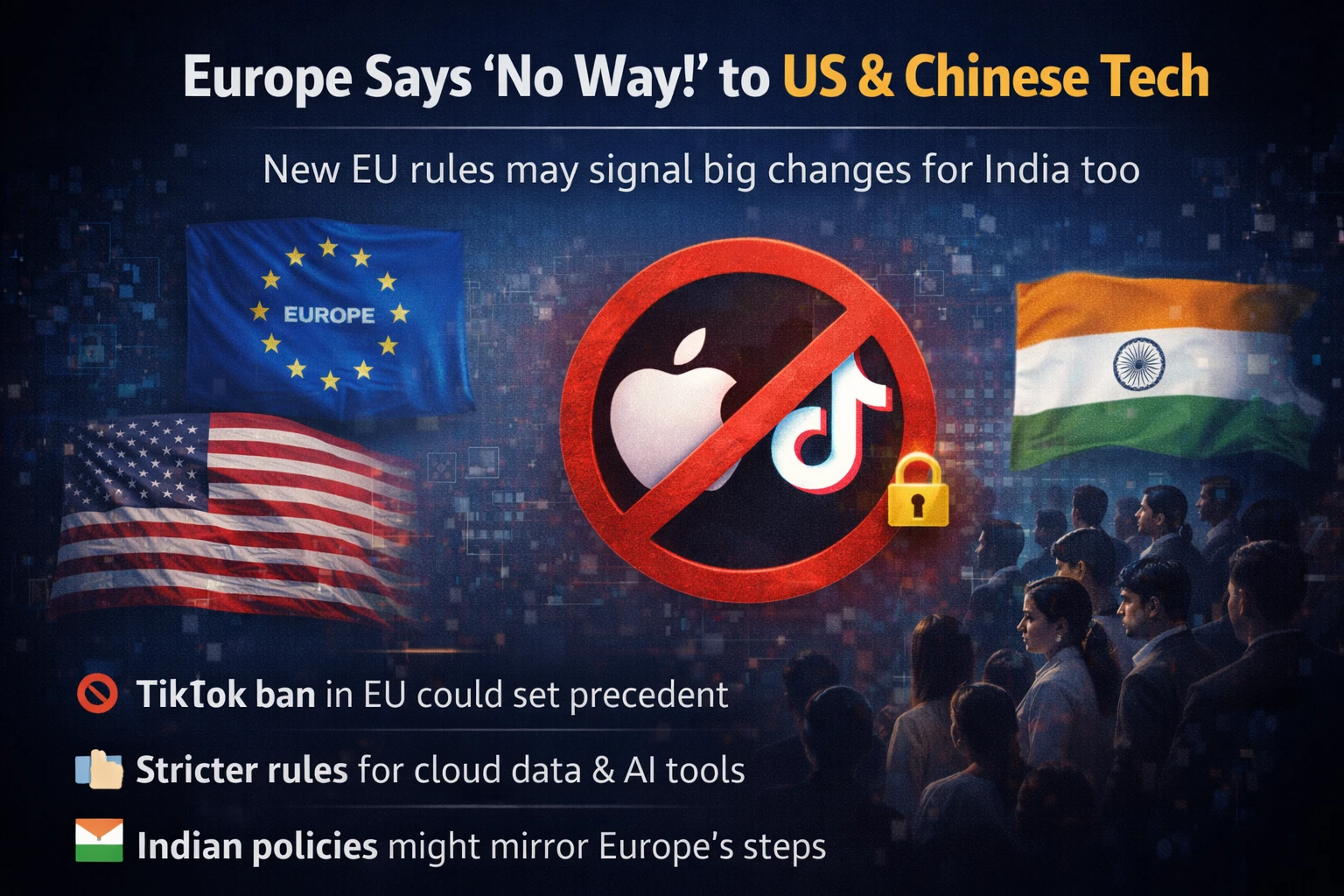
Six thousand six hundred ninety‑eight respondents across France, Germany, Italy, Spain, the Netherlands and Sweden were asked a simple question: Can you trust US or Chinese tech companies with your personal data? The answer was crystal clear – about 84% said "no" to US firms and a staggering 93% said "no" to Chinese firms. That’s not a dip in confidence, it’s a full‑blown trust crisis.
Why Europe is pulling back
Europe has been tightening its data‑privacy rules for years – think GDPR. The poll reflects a growing sentiment that the biggest US players (Google, Apple, Meta, Microsoft) and Chinese giants (Huawei, ByteDance, Tencent) are either too opaque or too invasive. Users fear that their location, browsing habits, and even health data could be harvested for ad‑targeting, surveillance or geopolitical leverage.
What this means for Indian users
India is on a similar path. The Personal Data Protection Bill (PDPB) is in the final stages, and the government keeps talking about “data localisation”. If European citizens are already turning their backs, Indian users might face the same dilemma – especially when it comes to services we use every day: Gmail, Instagram, TikTok‑style apps, and cloud storage.
Here are three concrete ways this could hit you:
- App choices will shrink. European regulators could force US/Chinese firms to set up local data centres or face hefty fines. If they don’t comply, apps could be blocked – think of a scenario where TikTok or Instagram disappears from the Play Store.
- Pricing will rise. Building data centres in India costs money. Those costs often get passed to the consumer – higher subscription fees for Google One, iCloud, or Microsoft 365.
- More home‑grown alternatives. The vacuum will invite Indian startups to step in. Expect a surge of local cloud providers, messaging apps, and AI services that promise “data stays in India”.
How to protect yourself right now
Even before any policy shift, you can tighten your digital hygiene. TamilTech-ஓட கருத்து, privacy is a habit, not a one‑time setting.
Step‑by‑step guide to hardening your accounts:
1. Enable Two‑Factor Authentication (இரண்டு‑நிலை பாதுகாப்பு) on every account
# 2. Review app permissions – revoke any that ask for location or contacts without need
# 3. Use a password manager to generate unique, long passwords (பாஸ்வேர்டு) for each service
# 4. Switch to privacy‑focused browsers like Brave or Firefox with tracking protection on
# 5. Consider a VPN that doesn’t keep logs when you browse overseas services
These steps won’t make you invisible, but they’ll raise the bar for anyone trying to scoop your data.
Indian market – the opportunity zone
Our own tech ecosystem is booming. Companies like Jio, PhonePe, and Paytm already handle massive volumes of personal data under Indian law. If the EU trend spreads, foreign players might look for partnerships with Indian firms to keep their services alive here. That could mean more co‑branded products, better localisation, and possibly a new wave of data‑privacy features built specifically for Indian users.
TamilTech’s take
We think the trust gap is less about technology and more about perception. US firms have been accused of “surveillance capitalism”, while Chinese firms are tangled in geopolitics. For Indian users, the real question is: Who controls my data, and why should I care? The answer is simple – because that data can be used to profile you, affect your credit score, or even influence your political views.
If the EU’s distrust turns into stricter regulations, India will likely follow suit – either voluntarily or under pressure from trade partners. That means a near‑future where you’ll see more “Made in India” data‑centres, more local AI models, and maybe a few new privacy‑by‑design regulations that actually matter to the average user.
What to watch next
Keep an eye on three developments:
- EU’s Digital Services Act (DSA) enforcement. Look for fines or forced data‑localisation orders.
- India’s PDPB final draft. The clauses on cross‑border data flow will determine how foreign services can operate.
- Startup funding in Indian privacy tech. Expect a surge in VC money for companies offering encrypted messaging, zero‑knowledge cloud storage, and AI that runs fully on‑device.
Bottom line: Europe’s distrust is a warning bell. If you care about your personal data, start treating it like a valuable asset today – not tomorrow.






Comments (0)
Be the first to comment!