


India is planning one common AI platform for government citizen services through Digital India Corporation, but your data retention and consent rules will stay fragmented across individual orders. This article walks through the three jobs that the platform is meant to do, why it is still only a plan, how handoffs and workflows would work, and what split privacy paperwork means if you are chasing a certificate or a water complaint from Tamil Nadu.
- Digital India Corporation is seeking one common AI platform for citizen services, according to media reports this month.
- On paper the job list is simple: manage how you talk to government, automate back-office workflows, and track grievances across many clients.
- Data retention and consent will not be one national default. Those sit in individual orders.
- This is not a live App. Do not trust random WhatsApp links that claim otherwise.
- If it works, fewer dead helplines. If it fails, a fluent bot that closes your ticket by mistake.
What just happened?
You needed one correction on a certificate. Or a water complaint that should have taken ten minutes. You opened three sites. Saved two ticket numbers. Nobody called back.
That is the real government interface most of us use. Not the slide deck.
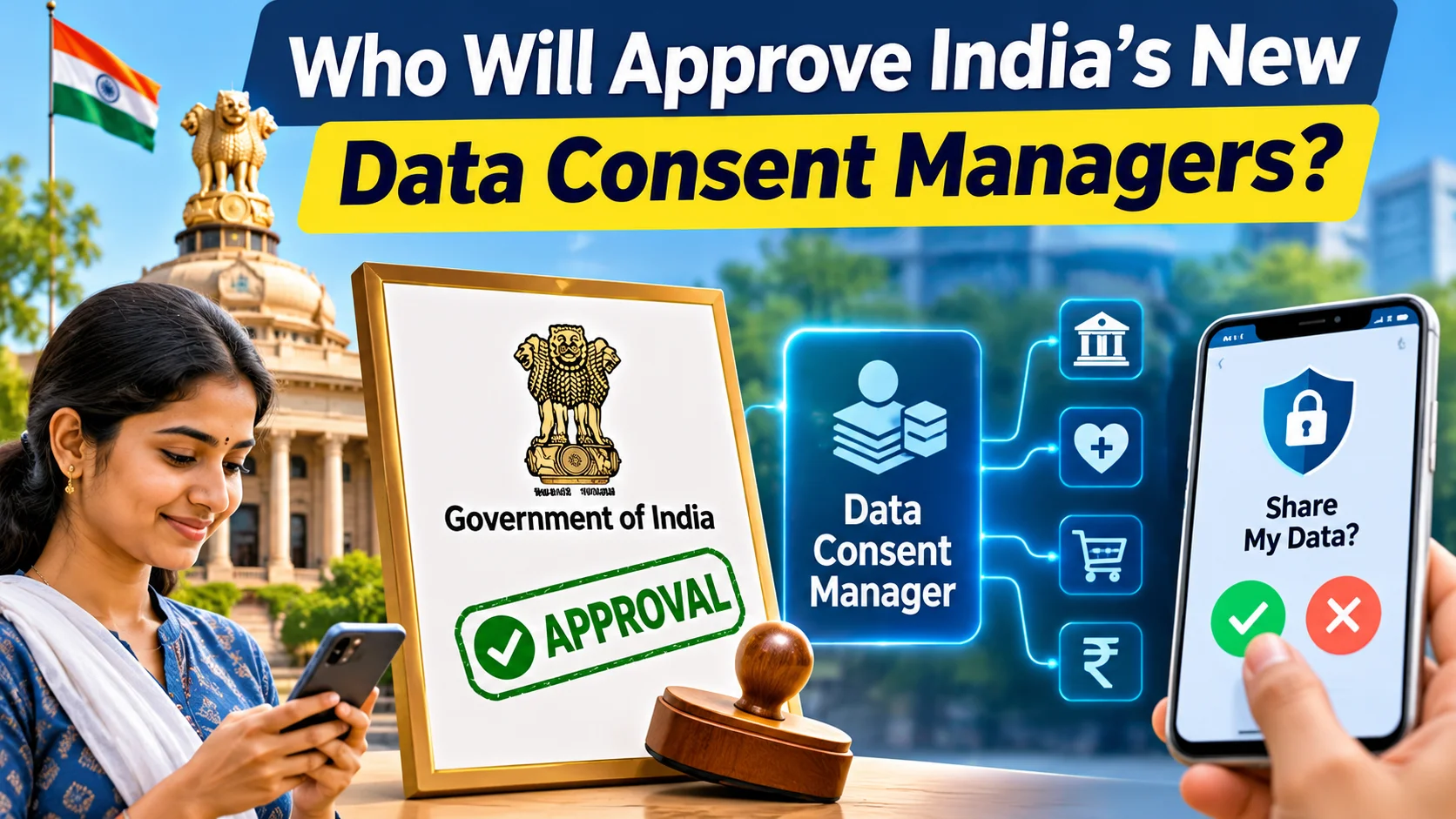
This month, media reports said the Centre is planning a common AI platform to automate citizen services. Digital India Corporation, or DIC, is seeking an AI-enabled system that can work across government clients. One shared layer. Many counters.
DIC is the outfit that builds and runs a big chunk of Digital India's public-facing tech. Reports describe three jobs for this platform, not one cute chatbot for a single ministry.
Job one: manage citizen interactions. The chat, the call, the message. The front door.
Job two: automate workflows. Move the file. Nudge the next officer. Stop a complaint from dying as a PDF in somebody's inbox.
Job three: track grievances across clients. So Department A and Department B are not playing hide and seek with your ticket.
Then comes the line privacy people will screenshot. Data retention and consent arrangements get left to individual orders. The common platform, on this telling, does not set one clock or one consent screen for all of government.
Shared AI. Separate paperwork for your data. That is the design.
This is still a seeking-and-planning story. Not a launch day. Government tech has a long road between we want a platform and your amma can use it in Tamil on a cheap Phone.
How does this actually work?
Do not picture a robot at the taluk office. Picture a receptionist who never sleeps, plus a clerk who keeps poking the file.
You type the way Indians actually type. Ration card still pending da, two months aayiduchu. The system tries to catch the intent. Then it answers from a knowledge base, opens a grievance, or hands you to a human because the case is messy.
That handoff is the whole product. A bot that cannot admit confusion is a trap.
Workflow automation is the unsexy bit. Today a complaint travels as a scan, then an email, then a WhatsApp forward to a group named urgent sir. An AI layer can tag the cell, start a deadline clock, and escalate when nobody moves. That is the pitch. Whether officers let a system nag them is a process fight, not a model demo.
Across government clients means DIC wants something departments can plug into. A common rail. Each ministry or state body is a station. If the stations refuse to stop, the rail is just a drawing on a whiteboard.
Consent in individual orders is easy to skip in a headline. Here is the tea-stall version. Transport keeps chat logs for 90 days. A municipal body keeps voice notes for a year. You spoke to sarkar. On paper, you agreed to two different rules. You probably saw neither clearly.
Flexible for the client. Foggy for you.
Will this sit on top of DigiLocker, UMANG, CPGRAMS, a state service portal? Media reports do not spell out the wiring. So I will not invent a super-app. A common interaction layer can ride old systems. It can also become Tab Number Eleven.
The special risk with government AI is not sci-fi. It is a wrong status delivered politely. If a shopping bot gets a shoe size wrong, you return the shoe. If a sarkari bot says your grievance is closed, you stop chasing. Week six, you find out the file was never opened. That is harm, not a glitch.
The adult build is boring. Confidence scores. Human takeover. A ticket you can screenshot. An audit log that an officer cannot quietly rewrite. Skip those, and the AI is just a megaphone for mistakes.
What changes for people in India?
If departments actually use this, you will not feel a new App first. You will feel a shorter loop.
One ID that follows the complaint. A chat that remembers yesterday. Fewer please-contact-the-concerned-department dead ends. You already live on UPI and GPay. You will not clap for a bot that takes 14 days to say your request is being processed.
Language is not a feature. It is the product. A common AI that trips on Tamil, Telugu, Bengali, or romanised Hindi is a Delhi-English toy. People will walk back to the peon. Any demo that only uses clean English queries is a lab, not India.
A cross-client grievance view can help a serious officer spot repeats. Same street light. Same scholarship delay. It also builds a wide map of who complained about what. A water leak is mild. A benefit delay or a local office complaint is not. A common platform concentrates that map.
Because retention lives in individual orders, do not expect one delete-my-chat button for all of government. You may have to ask each client. That is a bad citizen experience wearing a legal convenience.
We have been sold single windows before. UMANG tried to be one App for many services. People still keep a pile of bookmarks and state Apps. A common AI desk reduces pain only if the old counters share the same ticket, or get switched off. If the bot, the portal, the helpline, and the district WhatsApp all run with no shared memory, you just gained a fourth way to be ignored.
Shared platforms are cheaper when they are actually shared. Reports do not give a price, and I will not invent one in INR. Watch whether ministries still launch their own shiny chatbots next to this common layer. That tells you if this is infrastructure or a note for a review meeting.
On the street, the change is simpler. More government chats will sound fluent. Fluent is not correct. Check the original department site before you relax.
What should you do now?
Nothing you must download tonight. This headline is not a Play Store link.
Use the channels you already know. The department site. The state service portal. DigiLocker for documents. CPGRAMS if you are filing a formal grievance. Write the ticket number. Take a screenshot. Boring still works.
When a chatbot shows up on a real .gov.in page, treat it like a junior clerk. Get a reference ID. Do not paste Aadhaar, PAN, OTPs, or a UPI PIN into the window. No genuine workflow needs your PIN. If a WhatsApp note says complete KYC for the new government AI, that is a phishing script in this week's clothes.
If the bot gives a status, verify it on the original portal or at the office when the document or the money actually matters. AI can summarise a circular. It should not be the last word on whether your file moved.
On privacy, wait for the notices. The real fight is not AI versus no AI. It is how long logs live, who can search old chats, and whether a wrong answer gets saved as a closed case. Those details will sit in the individual orders, not in a launch graphic.
If you sit inside government IT, ask the ugly questions before the demo. Where does the audio go. Which vendor can see the prompts. What happens when the model is down on scholarship-deadline day. A common platform that cannot fail out loud is a common outage.
For everyone else, live your life. The test is not the announcement. The test is the next complaint that comes back with a real update, in your language, without you begging.


Comments (0)
Be the first to comment!