


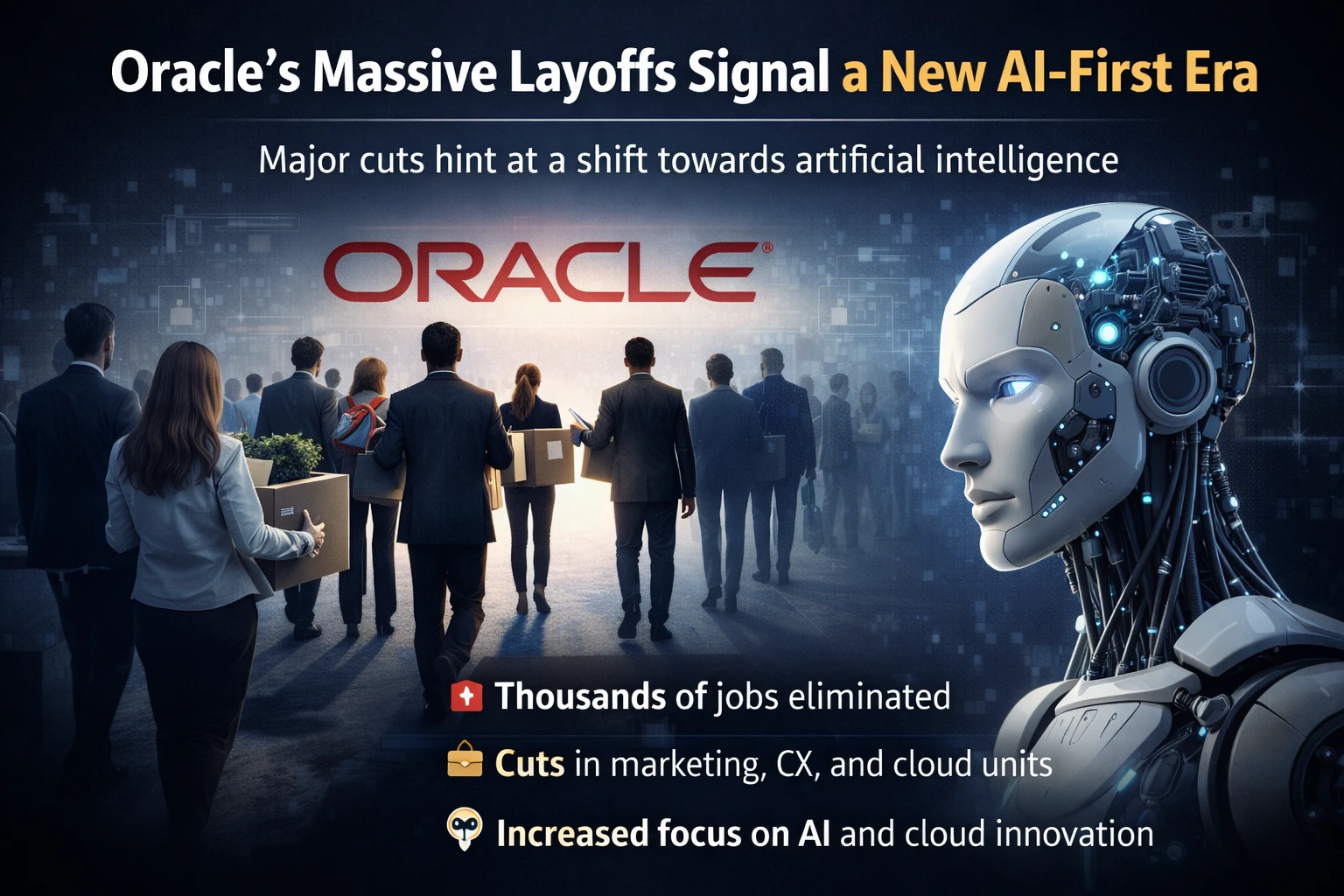
What just happened?
Oracle announced a fresh round of layoffs that will affect several thousand employees across its global offices. The move comes as the company doubles down on artificial‑intelligence investments – from generative‑AI services to AI‑enhanced cloud tools. As of May 2025, Oracle’s headcount stands at about 162,000, down from the peak of over 170,000 a year ago.
Numbers in plain English
While Oracle hasn’t disclosed the exact figure, insiders say the cuts are in the range of 5‑7% of the workforce – roughly 8,000‑11,000 jobs. The biggest hits are in sales, marketing, and some engineering teams that were built around legacy on‑premise software. Meanwhile, the AI‑focused units are seeing hiring spikes, with a reported 30% increase in roles related to AI‑model training, data‑science, and cloud‑AI integration.
Why the shift?
Oracle’s CEO Safra Catz has been vocal about the need to transform the company into an AI‑first cloud provider. The firm recently launched “Oracle Cloud AI” – a suite of generative‑AI APIs that compete with Azure OpenAI and Google Gemini. To fund the R&D and aggressive pricing strategy, Oracle is reallocating budget from legacy licensing to AI‑cloud services.
Impact on Indian customers
India is one of Oracle’s fastest‑growing markets. The layoffs could mean fewer local sales reps and slower response times for on‑premise support, but the AI push might bring new services that are more relevant to Indian enterprises:
- AI‑enhanced ERP: Oracle’s ERP Cloud now offers generative‑AI assistants that can draft purchase orders, predict cash‑flow, and even write code snippets for custom workflows.
- Data‑Lake modernization: With the new AI‑driven data‑catalog, Indian firms can automatically tag and classify massive datasets – a boon for sectors like fintech and e‑commerce.
- Pricing: Oracle is promising AI‑cloud credits that offset up‑front costs for Indian startups, similar to AWS’s free tier.
TamilTech’s take – the good, the bad, and the ugly
We think the layoffs are a double‑edged sword. On one hand, shedding legacy‑heavy teams could make Oracle nimbler and more competitive against the AI‑heavy rivals. On the other hand, the sudden loss of thousands of jobs raises morale issues and could hurt the company’s brand in markets where Oracle has deep relationships.
For Indian developers, the AI push is a chance to learn new tools – think oracle.ai SDKs, prompt‑engineering for ERP, and low‑code AI bots. But the risk is that smaller partners who relied on Oracle’s traditional licensing model may struggle to keep up with the new pricing structures.
What should you do?
If you’re a tech professional working with Oracle products, start upskilling now:
- Sign up for Oracle’s free AI‑cloud trial and play with the Text Generation API.
- Watch the recorded webinars on AI‑enhanced ERP – they’re packed with real‑world use cases.
- Update your resume with AI‑related keywords (generative‑AI, prompt‑engineering, data‑catalog).
If you’re a business decision‑maker, ask your Oracle account manager about AI‑cloud credits and how they can be applied to your existing workloads. It might be cheaper than buying separate AI services from competitors.
What’s next?
Oracle will likely keep trimming the fat while pouring more cash into AI research labs – especially in the US and India. Expect more product announcements around AI‑driven security, autonomous databases, and industry‑specific AI assistants in the next few quarters.
Bottom line: Oracle is betting big on AI, and the layoffs are the price of that bet. For Indian tech talent and enterprises, the wave brings both opportunity and uncertainty. Stay ahead, experiment now, and keep an eye on how Oracle reshapes its cloud pricing.





Comments (0)
Be the first to comment!