


Key Takeaways
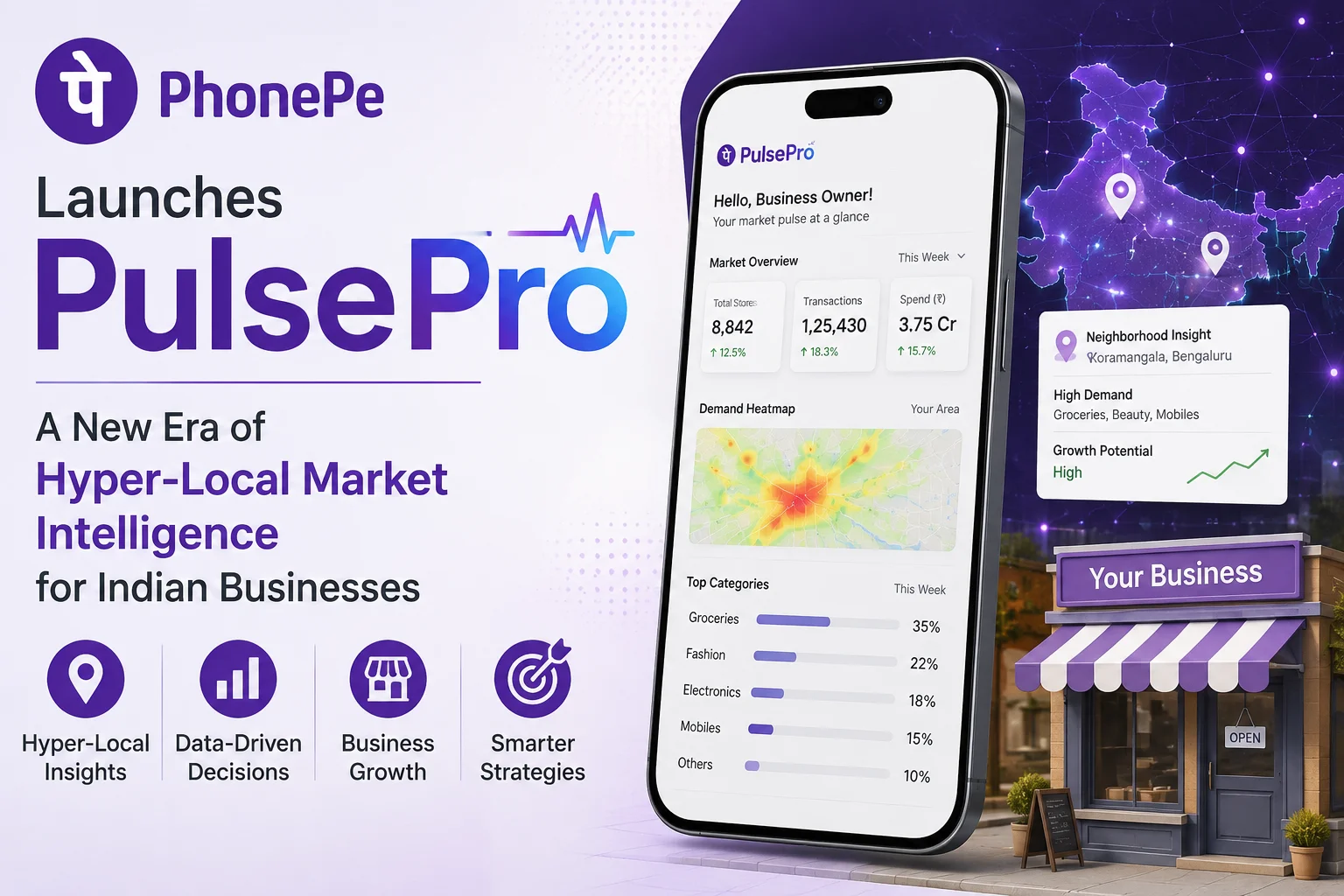
- PhonePe PulsePro provides real-time transaction data across 20,000+ pincodes in India.
- The platform allows enterprises to track consumer spending patterns, brand loyalty, and competitor market share.
- Unlike the free Pulse dashboard, PulsePro is a paid subscription service designed for large-scale corporate data integration.
- TamilTech Verdict: This is a massive shift for retail brands needing hyper-local data to decide store locations and marketing spends.
The Data Revolution in Indian Fintech
Look, we all know PhonePe as the app we use to pay for tea or scan a QR code at the supermarket. But as we move through 2026, PhonePe is evolving into something much bigger than just a UPI app. They’ve just launched PulsePro, and honestly, this might be one of the most significant moves in the Indian enterprise space this year. While the original PhonePe Pulse was a great way for us to see general trends for free, PulsePro is the professional-grade version meant for the big players. We are talking about deep, actionable data that can tell a company exactly what is happening in the Indian economy in real-time.
I’ve been watching the fintech space for a long time, and the jump from simple payment processing to selling 'intelligence' was inevitable. Think about it—PhonePe has a massive market share in UPI transactions. Every time you buy a smartphone on Flipkart, order a meal on Swiggy, or pay for petrol, PhonePe sees it. PulsePro is basically PhonePe taking all that anonymous, aggregated data and turning it into a goldmine for businesses. It’s not just about how many people are using UPI anymore; it’s about where they are spending, how much they are spending, and how often they are switching brands.
What Exactly is PulsePro?
So, what do you actually get with PulsePro? Imagine a dashboard that shows you the spending habits of millions of Indians across different categories like food, travel, health, and electronics. It’s not just a static report that comes out once a month. This is live, dynamic data. Enterprises can look at specific pincodes—say, a specific neighborhood in Chennai or Bangalore—and see if people there are spending more on premium electronics or budget-friendly gadgets. This kind of hyper-local insight is something that even the biggest consulting firms struggle to provide with such accuracy.
The tech behind this is quite impressive. PhonePe is using advanced AI models to process billions of transactions and categorize them without compromising individual user privacy. For a brand manager, this means they can see 'Transaction Velocity' and 'Consumer Retention' metrics at a glance. For example, if a new coffee chain opens in Mumbai, they can use PulsePro to see if customers are coming back for a second visit or if they are going back to their old favorites. It’s like having a crystal ball for the Indian retail market, powered by the millions of QR codes we scan every single day.
The India Impact: Why Brands are Lining Up
In the Indian context, this is a game changer for the 'Bharat' market. We often see brands struggling to understand Tier-2 and Tier-3 cities. PulsePro bridges that gap perfectly. If a company wants to launch a new electric scooter in Coimbatore or Madurai, they don't have to guess the purchasing power of that area anymore. They can literally see the digital spending trends in those specific cities. This reduces the risk of business failure and helps companies spend their marketing budgets much more effectively. Instead of a huge billboard in a random place, they can target areas where people are actually spending money on similar products.
Pricing for PulsePro hasn't been made public in a 'one-size-fits-all' format because it’s an enterprise-level tool. Based on what we are seeing, it’s going to be a subscription-based model where companies pay based on the depth of data and the number of regions they want to track. It’s clearly not for your local kirana store, but for retail chains like Reliance Retail, Tata, or even fast-growing D2C brands like Boat and Mamaearth, this is going to be an essential part of their toolkit. It’s the kind of data that helps you beat your competitors by knowing the market better than they do.
How It Works: A Step-by-Step for Businesses
If you are a business owner or a data analyst looking to get into this, the process is fairly straightforward but highly technical. First, you have to sign up for the PhonePe Enterprise suite. Once verified, you get access to the PulsePro dashboard. You can then select your industry category—let's say 'Fashion & Lifestyle'. From there, you can filter data by state, city, and even down to the last six digits of a pincode. The dashboard allows you to export these insights into your own internal business intelligence tools like Tableau or PowerBI via API integration.
The most useful feature I found was the 'Competitor Benchmarking' tool. You can't see a specific competitor's private bank balance, obviously, but you can see the overall market share trends for your category in a specific region. If your market share is dropping in North Delhi while your category as a whole is growing, you know you have a problem. This level of granularity was previously only available to companies that could afford multi-million dollar research projects. Now, it’s available as a software service, which is a huge win for the digital-first Indian economy of 2026.
TamilTech’s Take: The Privacy vs. Progress Debate
Here’s our honest take on this. On one hand, PulsePro is a brilliant business move. It monetizes the one thing PhonePe has more of than anyone else: data. For the Indian economy, it’s great because it makes businesses more efficient. But we also have to talk about the 'Privacy' aspect. While PhonePe insists that all data is anonymized and aggregated (meaning they aren't selling 'your' specific name or number), the sheer scale of tracking is something to think about. As users, we are the ones generating this value every time we pay for a movie ticket or a grocery bill.
Looking ahead, we expect more fintech players like Google Pay or Paytm to launch similar high-end data products. The competition is no longer just about who has the most users, but who can make the most sense of the data those users generate. If you are a business professional, learning how to use these market intelligence tools is going to be a mandatory skill in the next couple of years. For the rest of us, it’s a reminder that in the world of 2026, our digital footprint is the most valuable currency there is.


Comments (0)
Be the first to comment!