


Key Takeaways
- Pranos Fusion, based in Bengaluru, is developing fusion power technology with a focus on engineering components rather than pure physics research
- The company is creating plasma control software, superconducting magnets, and compact tokamak designs specifically for Indian conditions
- Their approach could significantly reduce the cost and complexity of fusion energy systems, making them more accessible for India's growing energy needs
- India's unique geographical position and energy demands make it an ideal candidate for fusion power development
- The startup aims to bridge the gap between academic fusion research and commercial power generation
What's the News
Fusion energy has long been touted as the holy grail of clean power - the same process that powers the sun, promising virtually limitless energy with zero carbon emissions. While scientists worldwide have been chasing this dream for decades, a Bengaluru-based startup called Pranos Fusion is taking a different approach. Instead of focusing on breakthrough physics, they're building the practical machinery that India would need to harness fusion power.
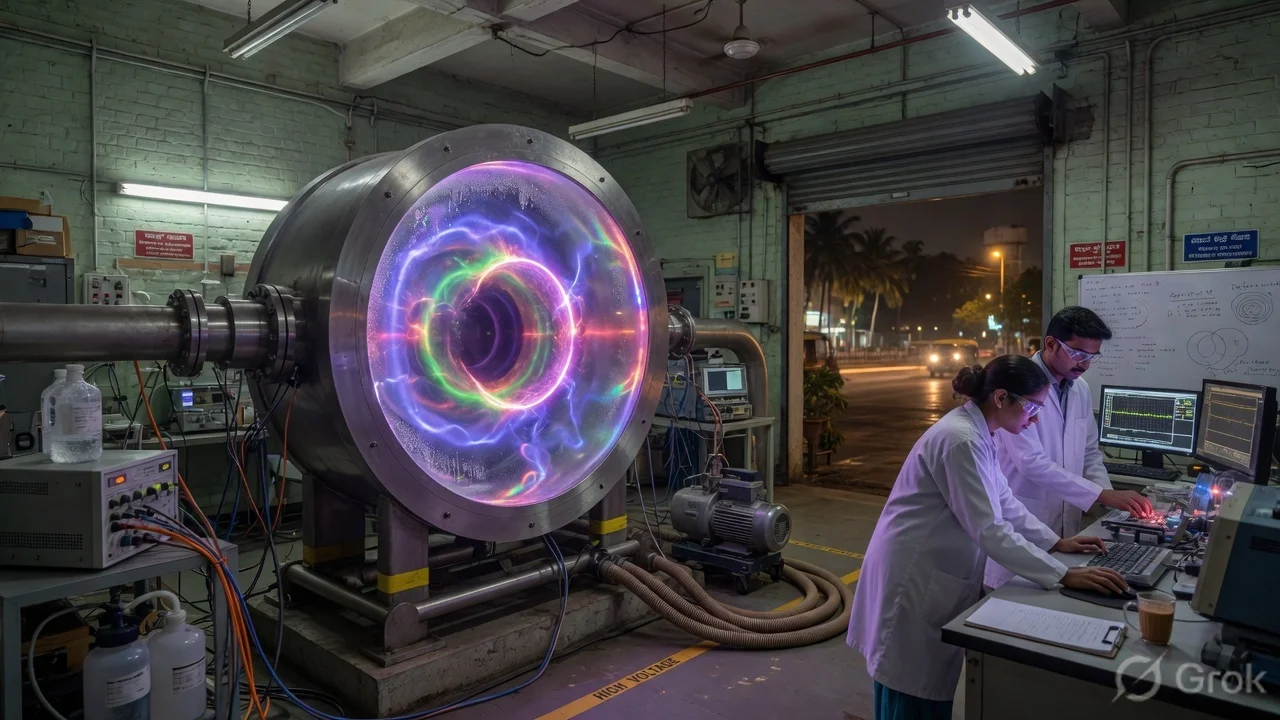
The company has been quietly developing critical components like plasma control software, superconducting magnets, and a compact tokamak design. Their work represents a shift from theoretical research to practical engineering - exactly what India needs to translate fusion research into actual power plants.
Details
Pranos Fusion's strategy centers on three key areas: plasma control software, superconducting magnet systems, and their proprietary compact tokamak design. The plasma control software they're developing manages the incredibly hot plasma (millions of degrees Celsius) that's essential for fusion reactions, keeping it stable and contained long enough to generate energy.
Their superconducting magnets are particularly interesting. These powerful magnets are crucial for containing the plasma in a tokamak design, but traditional systems are massive, expensive, and require complex cooling systems. Pranos is working on more efficient magnet designs that could significantly reduce the overall footprint and cost of fusion reactors.
The compact tokamak design is perhaps their most innovative contribution. Traditional tokamaks like ITER in France are the size of buildings, but Pranos is developing smaller, more modular designs that could be deployed more easily and at lower cost. This approach could make fusion power accessible to more regions and applications, not just massive centralized power plants.
What sets Pranos apart is their focus on India's specific needs. They're designing systems that can operate efficiently in Indian conditions, considering factors like grid stability, maintenance requirements, and local manufacturing capabilities. This practical approach could accelerate the timeline for commercial fusion power in India.
India Impact
For India, fusion power represents a game-changing opportunity. With growing energy demands, ambitious climate goals, and a need for energy security, fusion could provide the clean, abundant power the country needs to fuel its development. Pranos Fusion's work directly addresses these needs.
India's unique position makes it particularly suitable for fusion development. The country has strong scientific institutions, a growing manufacturing base, and significant investment in clean energy. Pranos's engineering-focused approach aligns perfectly with India's strengths in practical innovation and cost-effective solutions.
The economic implications are substantial. Fusion power could eventually provide electricity at competitive rates while creating thousands of high-tech jobs. Pranos's work on compact designs could particularly benefit smaller states and regions that might not have access to massive power plants but need reliable electricity for industrial growth.
From a strategic perspective, developing indigenous fusion technology reduces India's dependence on imported energy technologies and positions the country as a leader in the next generation of clean energy. This aligns with broader national goals of technological self-reliance and sustainable development.
Use Cases
While commercial fusion power plants are still years away, Pranos Fusion's technology has immediate and near-term applications. Their plasma control software could be used in research facilities across India, helping universities and institutions advance fusion research without needing to develop these complex systems from scratch.
The compact tokamak designs could serve as testbeds for new fusion concepts, accelerating innovation in the field. These smaller systems could be deployed at specialized facilities to test new materials, control algorithms, and containment methods before scaling up to commercial power plants.
In the longer term, once fusion power becomes commercially viable, Pranos's designs could enable distributed generation models. Instead of massive centralized plants, fusion reactors could be deployed regionally, providing stable baseload power to industrial clusters, special economic zones, and remote areas with high energy demands.
The technology also has applications beyond power generation. The high-energy plasma and neutron environments created in fusion reactors could be used for materials testing, isotope production, and medical applications. Pranos's control systems could help optimize these specialized uses.
Honest Take
Fusion power remains one of the most challenging technological frontiers humanity has attempted. The physics is well-understood, but the engineering challenges are immense. Pranos Fusion's focus on practical engineering rather than breakthrough physics is smart, but it doesn't eliminate the fundamental difficulties.
The timeline for commercial fusion power is still uncertain, with most experts predicting it won't be widely available before 2040-2050. Pranos's work could accelerate this timeline, but they're still playing the long game. Their engineering approach is necessary but not sufficient - they'll need continued scientific breakthroughs and massive investment.
What's impressive about Pranos is their realistic approach. They're not promising fusion power next year, but they're building the foundation that could make it happen. Their focus on India's specific needs and conditions shows they understand the practical challenges of bringing new technology to market.
The company faces significant challenges: securing funding for long-term R&D, building a team with the right mix of expertise, and navigating the complex regulatory landscape for new energy technologies. However, their engineering-first approach and focus on practical applications give them a solid foundation to build upon.
FAQs
Q: How is Pranos Fusion different from other fusion companies?
A: Pranos focuses specifically on engineering components rather than pure physics research. They're building practical systems like plasma control software and compact tokamak designs that could be deployed in India, rather than chasing breakthrough physics discoveries.
Q: When could India see commercial fusion power?
A: While exact timelines are uncertain, most experts predict commercial fusion power won't be widely available before 2040-2050. Pranos's work could potentially accelerate this timeline, but they're still playing the long game.
Q: What makes Pranos's compact tokamak design special?
A: Their compact design reduces the size and cost of fusion reactors compared to traditional massive tokamaks. This could make fusion power more accessible and affordable, particularly for India's diverse energy needs.
Q: How is Pranos funded?
A: Like many deep tech startups, Pranos likely relies on a mix of venture capital, government research grants, and strategic partnerships. Specific funding details aren't publicly available.
Q: What are the biggest challenges for fusion power in India?
A: Key challenges include securing long-term funding for R&D, building specialized talent, developing supply chains for advanced components, and creating regulatory frameworks for new energy technologies. Pranos's engineering approach directly addresses some of these challenges.





Comments (0)
Be the first to comment!