


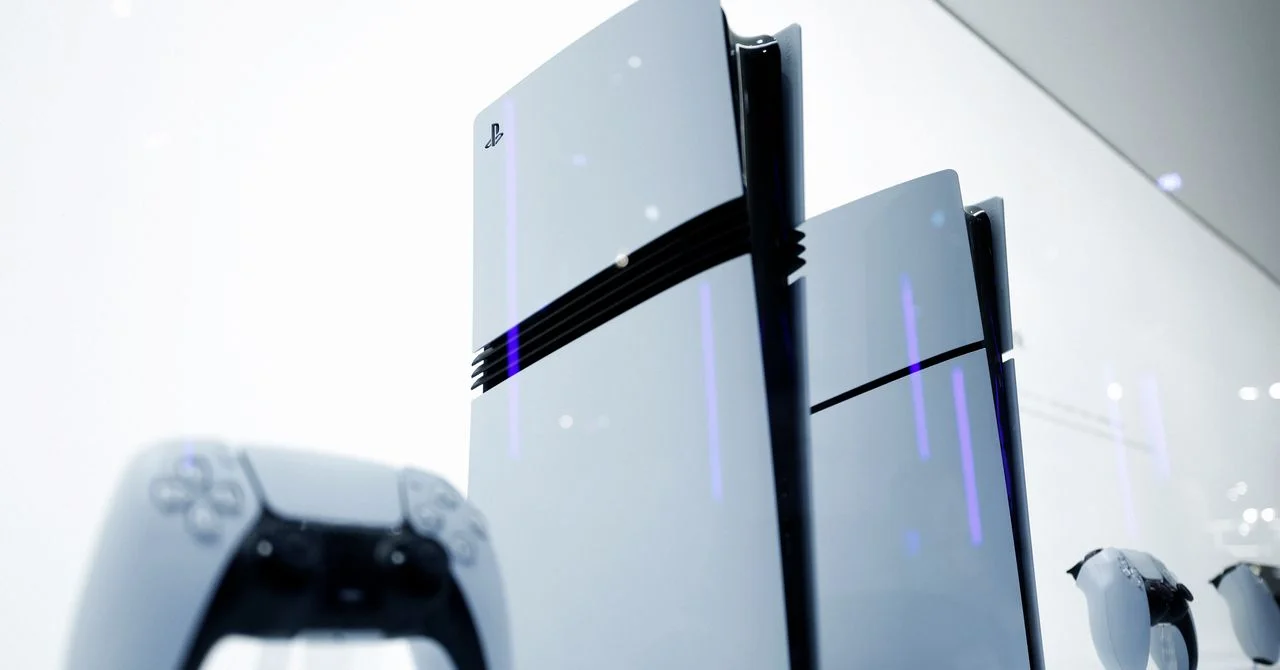
The PS5 just got a lot more expensive — and it's not a temporary blip
Sony raised the price of every PS5 model on April 2, 2026. No discount. No slim model to soften the blow. Just a straight price increase across the board, effective immediately. The Digital Edition — the one without a disc drive — jumped from $500 to $600. The standard PS5 with a disc drive went from $550 to $650. And the PS5 Pro, which was already considered expensive at $700 at launch, is now $900. PlayStation Portal, Sony's handheld streaming device, went up $50 to $250.
These aren't small adjustments. The Digital Edition PS5 now costs 50% more than its 2020 launch price of $400. The standard model is 30% above its $500 launch. The PS5 Pro is 29% above its own $700 launch price — which already caused significant controversy when it was revealed without a disc drive included.
This is the second price hike in under a year. Sony raised prices in August 2025, citing Trump's tariffs on imported electronics. Now it's back again, this time blaming "global economic pressures" — which is a clean way of saying: AI data centers are driving up RAM and SSD prices, and Sony can't absorb the cost anymore.
Why is this happening — the AI memory crisis connection
The same RAM shortage story we've covered here at TamilTech in the context of smartphones is hitting gaming hardware too. AI data centers worldwide are consuming enormous amounts of DRAM and NAND flash memory, pulling supply away from consumer electronics and pushing component prices up dramatically. Xiaomi recently revealed that 12GB RAM plus 512GB storage now costs ₹18,000 more per device than a year ago. The same dynamic is hitting every category of electronics that uses memory — including game consoles.
Sony's own memory card business was suspended earlier in 2026 — a quieter announcement that pointed at the same supply chain pressure. When a company that makes memory products stops selling them because the economics don't work anymore, you know the memory market is genuinely disrupted.
The PS5 uses significant amounts of GDDR6 RAM and a custom high-speed SSD. Both of those are getting substantially more expensive in 2026. Sony isn't raising prices to extract profit — it's raising prices to avoid selling hardware at a loss it can't sustain.
This breaks decades of console pricing tradition — and why
Here's the pattern that held for every console generation for 30 years: hardware launches expensive, then gets cheaper over time. The PS4 launched at $400 in 2013 and retailed for $300 by 2018 — a 25% drop over five years. Earlier in a console's life, manufacturers often sell hardware at a loss or near breakeven to build the installed base, then make money on software and subscription revenue as the library grows.
This generation shattered that model. The PS5 launched in November 2020 and is now more expensive in 2026 than it was in 2020. That's unprecedented in the PlayStation era. Xbox has done the same — Microsoft raised Series X prices multiple times in 2025, with the top-end 2TB model now at $800, and further increases are rumoured.
The underlying reason is structural: the global supply chain disruptions of 2021-2022, the ongoing impact of US-China trade tensions on chip supply, Trump-era tariffs on electronics imports, and now the AI memory demand surge — these have combined to make the economics of affordable consumer electronics genuinely harder than they were before 2020.
What this means for Indian PS5 buyers specifically
India doesn't get official Sony PS5 pricing in INR from Sony India — PlayStation hardware in India is sold through authorised importers at prices that reflect US retail plus import duty, GST, and dealer margin. Before these increases, the PS5 Digital Edition was available in India at approximately ₹44,000-47,000 through Flipkart, Amazon India, and gaming retailers like Games The Shop. The standard PS5 was around ₹54,000-57,000. The PS5 Pro was in the ₹70,000-75,000 range.
After the $100-$150 US price increases, expect Indian prices to adjust upward by approximately ₹8,000-15,000 over the coming weeks depending on which model and which retailer. The Digital Edition will likely settle in the ₹52,000-55,000 range. The standard PS5 around ₹62,000-65,000. The PS5 Pro pushing ₹82,000-88,000.
At ₹82,000-88,000, the PS5 Pro enters MacBook Air territory for Indian buyers — a price point that makes the buy decision much harder to justify for casual gamers. For Indian PlayStation fans who've been waiting to upgrade from a PS4, this is genuinely bad timing. The sweet spot — when a console is capable enough to be worth buying but cheap enough that it doesn't require a major financial commitment — has essentially never arrived for the PS5 in India.
The silver lining — PS6 is not coming anytime soon
Here's the counterintuitive take: the price increases are evidence that the PS5 generation has longer legs than most console generations. Sony isn't raising prices on hardware it's about to discontinue. You raise prices on hardware you intend to keep selling for several more years, through ongoing supply chain cost pressures, because you need the economics to work.
The PS6 is not coming in 2026 or 2027. Given the memory price environment and Sony's evident need to raise PS5 prices to maintain margins, a PS6 launch — which would require even newer, more powerful, and currently even more expensive memory and compute components — in the near term would be economically brutal. Most industry observers now expect the PS6 to launch no earlier than 2028, with 2029 being a reasonable target.
What that means for you: the games coming for PS5 over the next 3-4 years are the ones worth caring about. Spider-Man 3, the next God of War, GTA VI's definitive version on PS5 — these are all coming on the current hardware. The PS5 library is still growing. Buying a PS5 now — even at the higher price — buys you access to everything that's coming over the next four years before the next generation arrives.
For Indian buyers considering the purchase, the standard PS5 with disc drive is the right configuration at current pricing. The disc drive lets you buy physical games (often cheaper through retailers like Flipkart or second-hand stores), watch Blu-ray movies, and have the flexibility to resell physical titles. The $80 disc drive add-on for the Digital Edition is a trap — you'd spend less just buying the standard PS5 from the beginning.
Xbox is in the same boat
Sony isn't alone. Microsoft raised Xbox hardware prices multiple times in 2025. The top-end Xbox Series X with 2TB storage is now at $800. GamePass subscription prices have also increased. The entire console market is dealing with the same underlying economics — component costs up, consumer sensitivity to price high, and the next generation of hardware too expensive to launch at accessible prices right now.
For Indian gamers, the Xbox Series S remains the most affordable console gaming entry point at around ₹29,000-32,000 on Flipkart — it didn't see the same price hike because it uses less powerful (and cheaper) components. If your goal is accessing Game Pass's library of hundreds of games at a monthly fee (available on Xbox as well as PC), the Series S is still the best value gaming hardware for Indian buyers who want a console that works with a regular HD TV.
TamilTech's take
The PS5 price hike is genuinely painful news for Indian gamers who've been waiting for the console to become more affordable. It's not going to happen. The window for a meaningful PS5 price drop closed in 2026 as component costs moved against it. What you get instead is confirmation that the current generation will stick around: more games, more years of support, and a library that keeps growing before the PS6 eventually arrives. If you can stretch to the standard PS5 at current Indian pricing, and you're committed to gaming on PlayStation for the next four-plus years, the purchase still makes sense. If ₹62,000-65,000 is outside your budget, the Xbox Series S at ₹29,000-32,000 with Game Pass is the honest alternative. The generation isn't over. It's just more expensive than it should have been.


Comments (0)
Be the first to comment!