


Key Takeaways
- Swiggy announced refund of unauthorized charges to restaurants following widespread boycott calls
- The move comes after restaurants accused the platform of deducting hidden fees without consent
- Over 10,000 restaurants participated in coordinated social media protests using #BoycottSwiggy
- Swiggy's stock price dipped 3.2% in intraday trading following the news
- The incident highlights growing tensions between food delivery platforms and restaurant partners in India's $12 billion food delivery market
What's the news
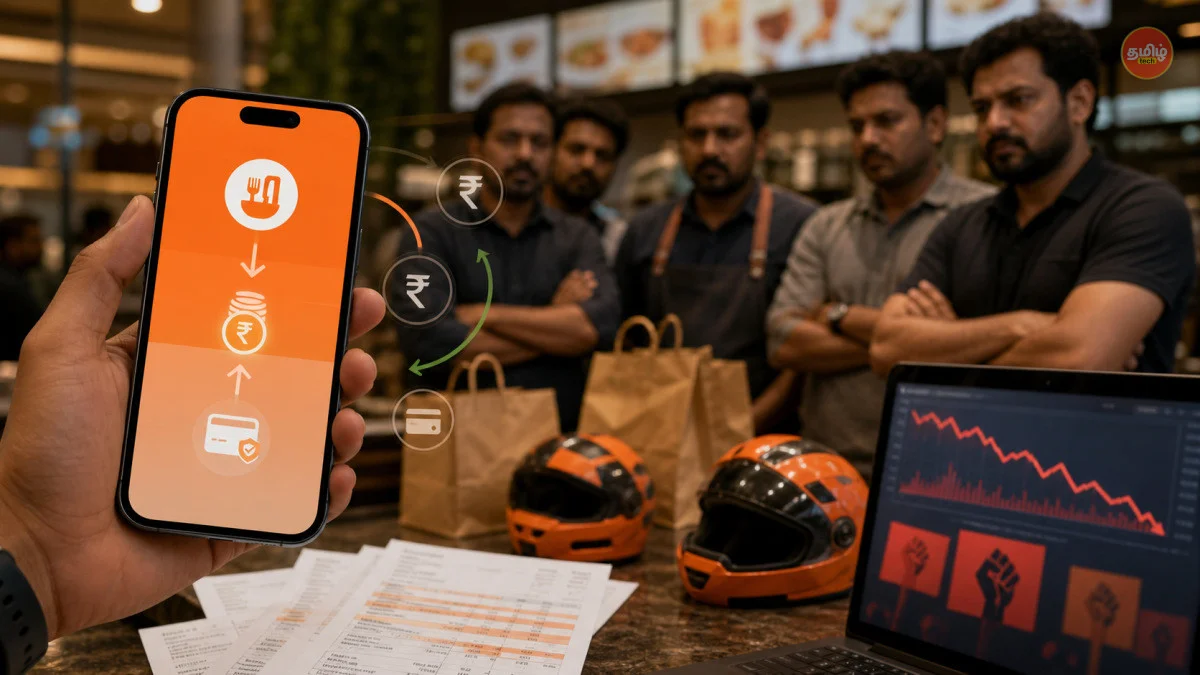
Swiggy has announced it will refund unauthorized charges deducted from restaurant partners following a massive social media boycott campaign. The food delivery giant faced coordinated protests from thousands of restaurants across India who accused the platform of deducting hidden fees and commissions without proper notification.
Details
The controversy erupted last week when several restaurant owners discovered unexpected deductions from their daily settlements. Many claimed Swiggy had introduced new service fees and commission structures without prior consultation. The issue gained momentum when restaurant associations began sharing screenshots of their settlement statements on social media platforms.
The hashtag #BoycottSwiggy trended nationally for three consecutive days, with over 10,000 restaurants pledging to temporarily suspend their partnerships with the platform. Major restaurant chains including Barbeque Nation and Oh! Calcutta publicly announced they were reviewing their agreements with Swiggy.
In response to the mounting pressure, Swiggy's management held emergency meetings with restaurant partners and announced a complete audit of their billing systems. The company stated they would refund all unauthorized deductions and implement more transparent billing practices going forward.
India impact
This incident reflects the growing power dynamics between food delivery platforms and restaurant partners in India's rapidly expanding digital food delivery market. With the sector valued at approximately $12 billion and growing at 25% annually, such disputes could significantly impact investor confidence.
The Reserve Bank of India has been closely monitoring digital payment disputes, and this case may prompt stricter regulations around transparency in platform-merchant relationships. Additionally, the Competition Commission of India could investigate whether Swiggy's practices violated fair trade guidelines.
For restaurants, particularly small and medium-sized establishments, these unexpected deductions can severely impact cash flow and profitability. Many operate on thin margins of 10-15%, making unexpected charges particularly damaging.
Use cases
This situation highlights several critical aspects of India's digital economy:
- Platform-merchant relationship management: The need for clear, transparent communication channels between digital platforms and their merchant partners.
- Regulatory oversight: Increasing scrutiny of digital platforms' business practices as they become integral to India's retail ecosystem.
- Consumer awareness: Growing awareness among business owners about their rights and the importance of regular financial reconciliation.
- Market competition: How consumer and business backlash can quickly impact platform reputation and market position.
Honest take
While Swiggy's decision to refund unauthorized charges appears to be a damage control move, it raises serious questions about their business practices. The fact that thousands of restaurants had to resort to public protests on social media to get attention suggests systemic issues in their partner relationship management.
The incident also underscores the precarious position of restaurants in India's food delivery ecosystem. Despite generating billions in revenue for platforms, many restaurant owners lack bargaining power and face unilateral changes to terms and conditions.
Moving forward, this could lead to more organized resistance from restaurant associations and potentially stricter regulations. Platforms like Zomato and emerging players like Dunzo Food might capitalize on Swiggy's missteps by positioning themselves as more partner-friendly alternatives.
For consumers, this development should come as a reminder that the convenience of food delivery apps comes at a cost - not just in terms of higher prices, but potentially at the expense of restaurant sustainability. The real winners in this scenario might be those who can offer transparent, fair partnerships that benefit both platforms and their restaurant partners.



Comments (0)
Be the first to comment!