



Key Takeaways
- TCS launched 'AI Assurance Services' last quarter, charging premium rates for AI risk assessment and compliance verification
- Infosys introduced 'AI Governance Framework' as a premium offering, targeting companies worried about AI regulations
- Indian enterprises are spending 30-40% more on AI compliance tools compared to last year, creating a ₹2,500 crore market opportunity
- Both companies are positioning themselves as 'AI safety nets' while competitors like Wipro and HCL lag behind
- This strategy could backfire if AI regulations don't materialize as expected, leaving companies with expensive compliance frameworks
What's the news
In a move that's both brilliant and slightly concerning, TCS and Infosys are aggressively marketing AI safety and compliance services. The timing couldn't be more perfect - every CEO in India is suddenly waking up to the fact that their company might be fined billions for AI misuse. TCS rolled out their AI Assurance Services in June, while Infosys followed with their AI Governance Framework last month. Both are charging premium rates - we're talking ₹50-75 lakhs per project for comprehensive AI risk assessments.
Details
TCS is pushing their 'AI Trust Index' - a proprietary scoring system that supposedly measures AI systems for bias, transparency, and regulatory compliance. They've already signed up 15 major Indian banks and 8 pharmaceutical companies. Infosys, meanwhile, is selling 'AI Guardrails' - a suite of tools that supposedly prevents AI systems from going rogue. Their pitch deck emphasizes how they can help companies avoid the €35,000 per day fines that the EU AI Act threatens. The irony? Both companies are also rolling out their own AI products while selling others on AI safety. Talk about having your cake and selling safety nets too.
India impact
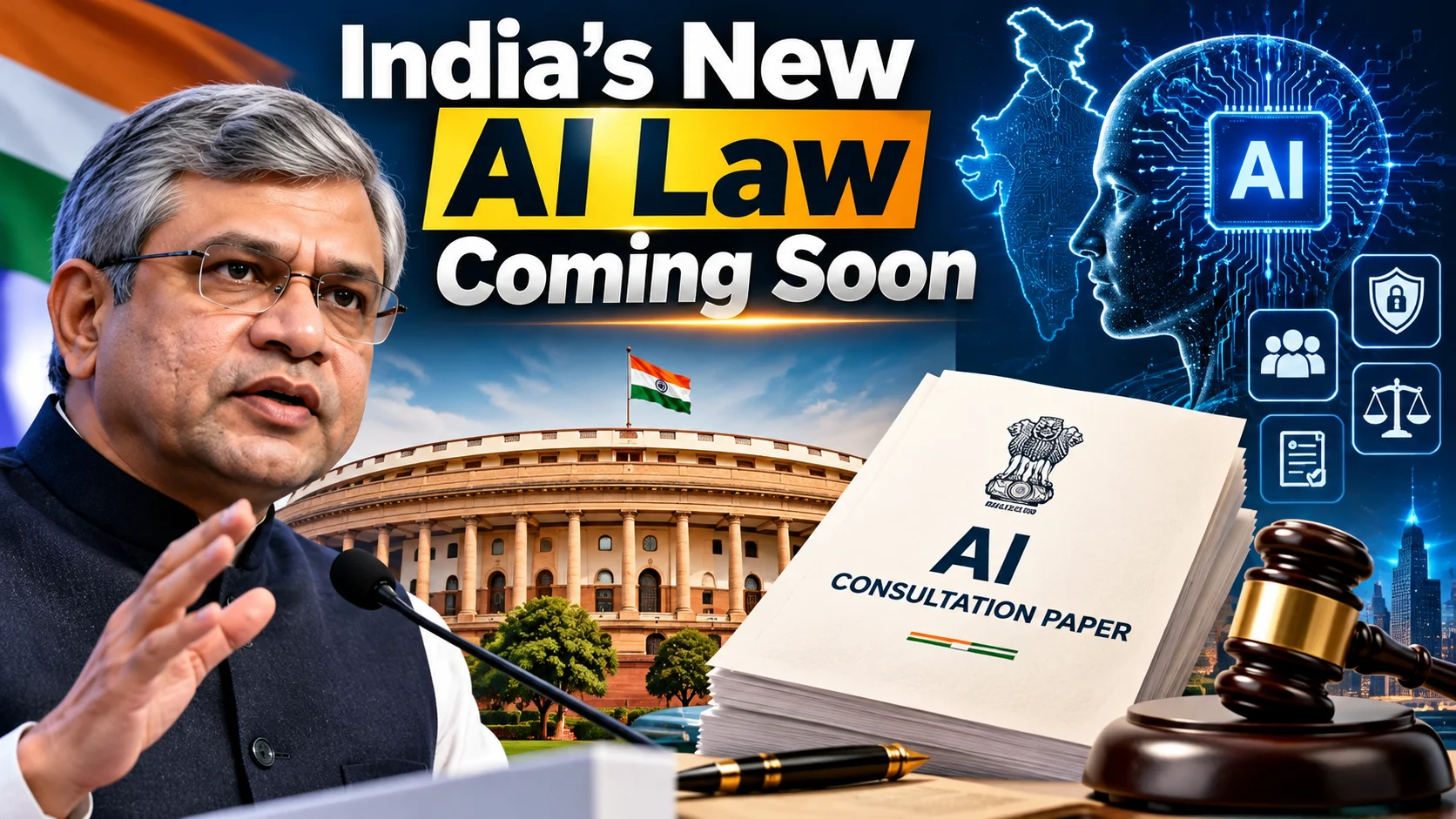
This strategy is reshaping how Indian companies approach AI adoption. Startups are now including 'AI compliance' in their pitch decks to attract enterprise clients. The IT services sector is seeing a shift from traditional outsourcing to AI-as-a-service models, with compliance as the value-add. Indian regulators are watching closely - MeitY has hinted at creating AI guidelines, which would make these services even more valuable. The big question is whether this creates real value or just adds another layer of bureaucracy to India's digital transformation journey.
Use cases
One interesting case is a leading Indian bank that spent ₹1.2 crore on TCS' AI Assurance to audit their loan approval AI. The audit found 'minor biases' that cost them ₹40 lakh in potential regulatory penalties. Another pharma giant used Infosys' AI Guardrails to ensure their drug discovery AI wasn't hallucinating data - apparently, they were. The most telling use case? A major e-commerce platform spent ₹80 lakhs to ensure their recommendation AI wasn't discriminating against certain user groups. Whether these problems were real or manufactured remains unclear.
Honest take
Look, I get the business logic - if everyone's paranoid, sell them the paranoia antidote. But there's something unsettling about watching two of India's biggest tech companies essentially selling snake oil for the AI age. The AI regulations they're prepping for might never come, or might be completely different from what they're selling. Meanwhile, smaller Indian startups that actually need AI compliance help can't afford these premium services. This feels less like solving a real problem and more like creating a problem to solve. The real winners? TCS and Infosys shareholders. The real losers? Indian companies that might overspend on compliance frameworks that become obsolete in 18 months.


Comments (0)
Be the first to comment!