Key Takeaways#
- UPI transactions under ₹2,000 will remain completely free for users and merchants
- Merchant transactions up to ₹1 lakh will continue without MDR charges
- Government aims to keep digital payments accessible to all Indians
- This decision supports India's goal of becoming a less-cash economy
- Small businesses and street vendors benefit most from this policy
What's the News#
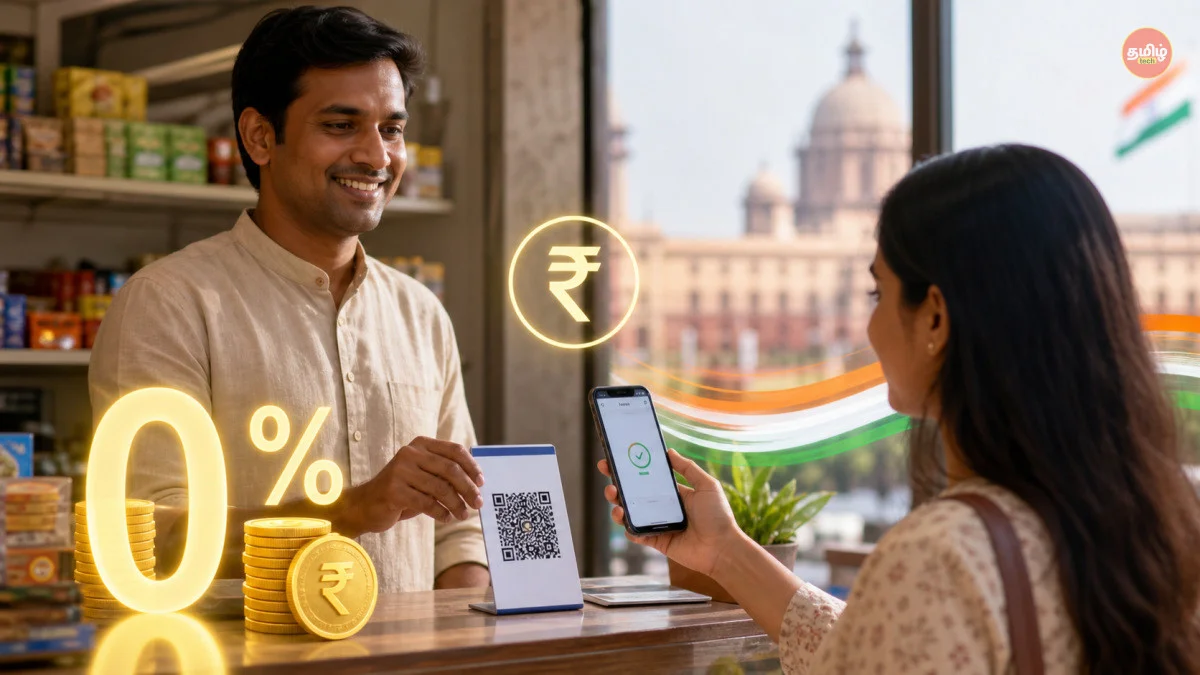
The government has officially confirmed that UPI transactions will continue to be free for users, with most merchant transactions also remaining without any charges. This comes as a relief to millions of Indians who have embraced UPI as their primary digital payment method. The decision maintains the status quo that has made UPI the world's most popular real-time payment system.
Details#
According to the latest announcement, UPI transactions up to ₹2,000 will remain completely free for both users and merchants. For merchant transactions above this threshold, the government has decided to keep the Merchant
Discount Rate (MDR) at zero for transactions up to ₹1 lakh. This means that whether you're paying ₹100 for your chai or ₹50,000 for electronics, you won't have to pay any additional charges. The government has clarified that this policy will continue for the foreseeable future, ensuring stability for businesses and consumers alike.
India Impact#
This decision has significant implications for India's digital economy. With over 300 million UPI users and billions of transactions monthly, keeping these services free encourages wider adoption across rural and urban areas. Small businesses, from local kirana stores to street vendors, benefit immensely as they don't have to bear additional costs for digital payments. The policy also supports the government's vision of a less-cash economy, aligning with initiatives like
Digital India and the push for financial inclusion. Compared to other countries where digital payments often come with hidden fees, India's approach keeps the system user-friendly.
Use Cases#
Imagine a street vendor in Delhi selling snacks for ₹50. With UPI remaining free, both the vendor and customer can transact without worrying about extra charges. A small
business owner in Mumbai accepting ₹50,000 worth of payments for custom orders won't face MDR charges. Even a student in Chennai paying ₹1,500 for monthly rent can do so without any fees. These everyday scenarios demonstrate how the free UPI policy benefits everyone, from the poorest to the wealthiest Indians. The simplicity and cost-effectiveness have made UPI the preferred payment method across India.
Honest Take#
Honestly, this is a smart move by the government. UPI has revolutionized how Indians transact, and introducing fees would have been disastrous for adoption. The system works because it's simple, fast, and free. While some argue that large merchants should contribute to the infrastructure costs, the reality is that UPI's success lies in its mass appeal. The government's decision ensures that digital payments remain accessible to everyone, not just the wealthy. It's a win-win situation that keeps India ahead in the global digital payments race. The only concern is whether this model is sustainable long-term, but for now, Indians can enjoy their free UPI transactions without worries.





Comments (0)
Be the first to comment!