


Key Takeaways
- UPI's open-loop architecture allows non-card issuers to process credit transactions, a feature traditionally reserved for banks with card networks.
- Small banks and fintechs are leveraging UPI to offer credit-like products, directly competing with the core business of credit-card giants.
- This trend is eroding the high-margin credit-card market share of established players, forcing them to innovate or lose relevance.
- The Reserve Bank of India's (RBI) regulatory framework is the key enabler, allowing this 'Trojan horse' strategy to flourish.
- The long-term impact could be a more democratized and competitive credit ecosystem in India, but it also poses risks to financial stability.
What's the news
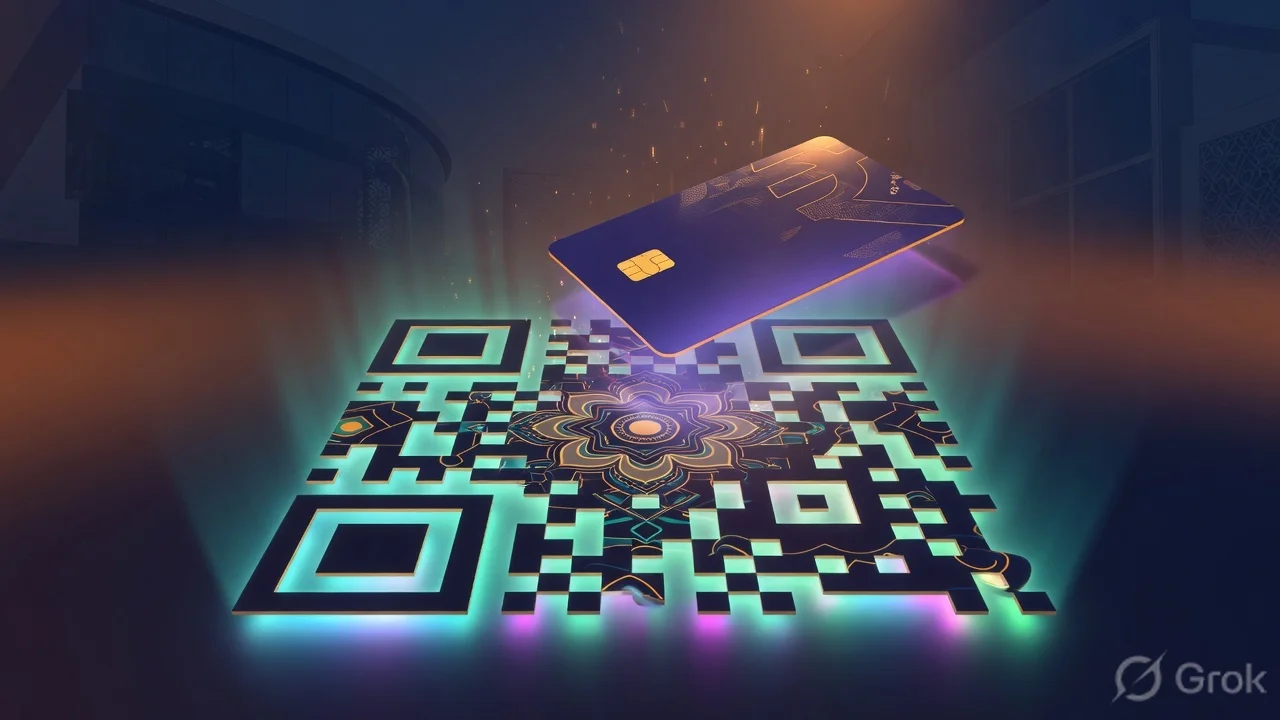
The Unified Payments Interface (UPI) is no longer just a tool for instant bank-to-bank transfers. It has evolved into a powerful, open-loop network that's quietly dismantling the walls of the exclusive credit-card industry. For years, giants like HDFC Bank and Axis Bank have held a near-monopoly on credit cards in India, a business model built on high interchange fees and a closed-loop system. Now, a new wave of smaller banks and fintech companies is using UPI as a Trojan horse to infiltrate this lucrative market, offering credit-like products directly to consumers without ever needing a traditional credit card.
Details
So, how is this happening? The magic lies in UPI's open architecture. Unlike the closed-loop system of credit cards, where transactions happen within a specific network (Visa, Mastercard), UPI is interoperable. This means any bank or fintech company integrated into UPI can, in theory, facilitate a credit transaction. The key innovation is the 'credit-on-UPI' model. Companies are essentially offering pre-approved loans or 'buy now, pay later' (BNPL) services that are settled instantly via UPI. The user gets a credit limit, makes a purchase, and the amount is debited from their bank account or a linked wallet, with the fintech or small bank bearing the cost and later collecting it from the user or the merchant.
This is a game-changer. A small bank with a few million users can now offer a credit product to its entire customer base without the massive infrastructure investment required for a card network. They partner with payment apps or e-commerce platforms, and the credit is extended at the point of sale. The user experience is seamless – no card swiping, no OTP for every small purchase, just a simple UPI PIN payment. The small bank earns a fee from the merchant or the user, while the established credit-card giants lose a potential transaction. This strategy is particularly effective in the massive unorganized retail and e-commerce sectors, where the friction of a physical card is a significant barrier.
India impact
The implications for India's financial landscape are profound. First, it's a massive win for financial inclusion. Millions of Indians who may not have a credit card but have a bank account and a smartphone can now access credit. This is especially true for Tier-2 and Tier-3 cities, where the penetration of credit cards has been historically low. Second, it's putting immense pressure on the business models of established banks. HDFC and Axis Bank, which have built their profitability on the high interchange fees from credit cards, are now facing a low-cost, high-volume competitor. Their response has been to launch their own UPI-based credit products, but they are fighting an incumbent battle against a more agile and disruptive model.
The Reserve Bank of India (RBI) has been a key enabler of this shift. By creating a regulatory sandbox and allowing the use of UPI for credit transactions, the RBI has fostered an environment of innovation. The central bank's focus on a 'less-cash' economy and digital payments has inadvertently created the perfect conditions for this Trojan horse to enter the fortress. The move also aligns with the government's push for a more competitive and consumer-friendly financial sector.
Use cases
The most common use cases are emerging in the e-commerce and retail sectors. Imagine you're shopping on a popular Indian e-commerce site. Instead of paying with a credit card and earning points, you can now choose a 'UPI Credit' option. The site, in partnership with a fintech, offers you a pre-approved loan of, say, ₹10,000 for the purchase. You pay the amount via UPI, and the loan is instantly settled. The fintech then recovers the amount over a few days or weeks, often with a small fee. This is particularly attractive for small, unplanned purchases where a credit card might not be the first choice.
Another use case is in the 'kirana' store or local retail. A customer can make a purchase and pay via UPI, with the amount being settled as a credit transaction. The small retailer gets paid instantly, and the customer gets to defer the payment. This is a huge boon for small businesses, who often struggle with cash flow. The small bank or fintech facilitating this transaction earns a small fee, creating a new revenue stream from the unorganized sector.
Honest take
While this disruption is exciting and promises greater access to credit, it's not without its risks. The 'Trojan horse' model relies heavily on technology and data analytics to assess creditworthiness. This can lead to a 'digital divide' where those without a digital footprint are left out. Moreover, the ease of access to credit could lead to over-indebtedness among consumers, a concern that regulators are already flagging. The lack of a standardized framework for these new credit products could also lead to predatory practices by some players.
On the other hand, this is a classic case of innovation disrupting an old-guard industry. Just as Jio disrupted the telecom industry with its low-cost data, UPI is now disrupting the credit-card industry. The established players are not sitting idle; they are adapting. But the pace of change is relentless. The long-term impact will depend on how the RBI and the government balance innovation with consumer protection. If they get it right, India could see a more democratized and efficient credit ecosystem. If they get it wrong, it could lead to a new set of financial stability challenges.
FAQs
Q: How is UPI different from a credit card?
A: A credit card is a closed-loop product from a bank, part of a network like Visa or Mastercard. UPI is an open-loop, interoperable network that connects different banks and apps. Credit-on-UPI uses the UPI network to facilitate a credit transaction, essentially offering a loan that is settled via UPI.
Q: Are these UPI credit products safe?
A: They are regulated by the RBI, but the safety depends on the lender. It's important to understand the terms and fees before using them. They are generally safer than unregulated lenders but carry the risk of over-indebtedness.
Q: Will this replace credit cards?
A: Not entirely. Credit cards offer benefits like reward points, travel insurance, and a global acceptance network that UPI credit products may not match. However, for domestic, everyday transactions, UPI credit is becoming a strong competitor.
Q: Who are the main players in this space?
A: While many small banks and fintechs are involved, the key players are the payment apps (like PhonePe, Paytm) and the fintech companies that partner with them to offer the credit. Established banks are also launching their own versions to stay competitive.
Q: What is the role of the RBI in this?
A: The RBI has been a key enabler by creating a regulatory framework that allows for innovation in digital credit. It has allowed the use of UPI for credit transactions and is working on creating a more structured ecosystem for digital lending.


Comments (0)
Be the first to comment!