


What’s the buzz?
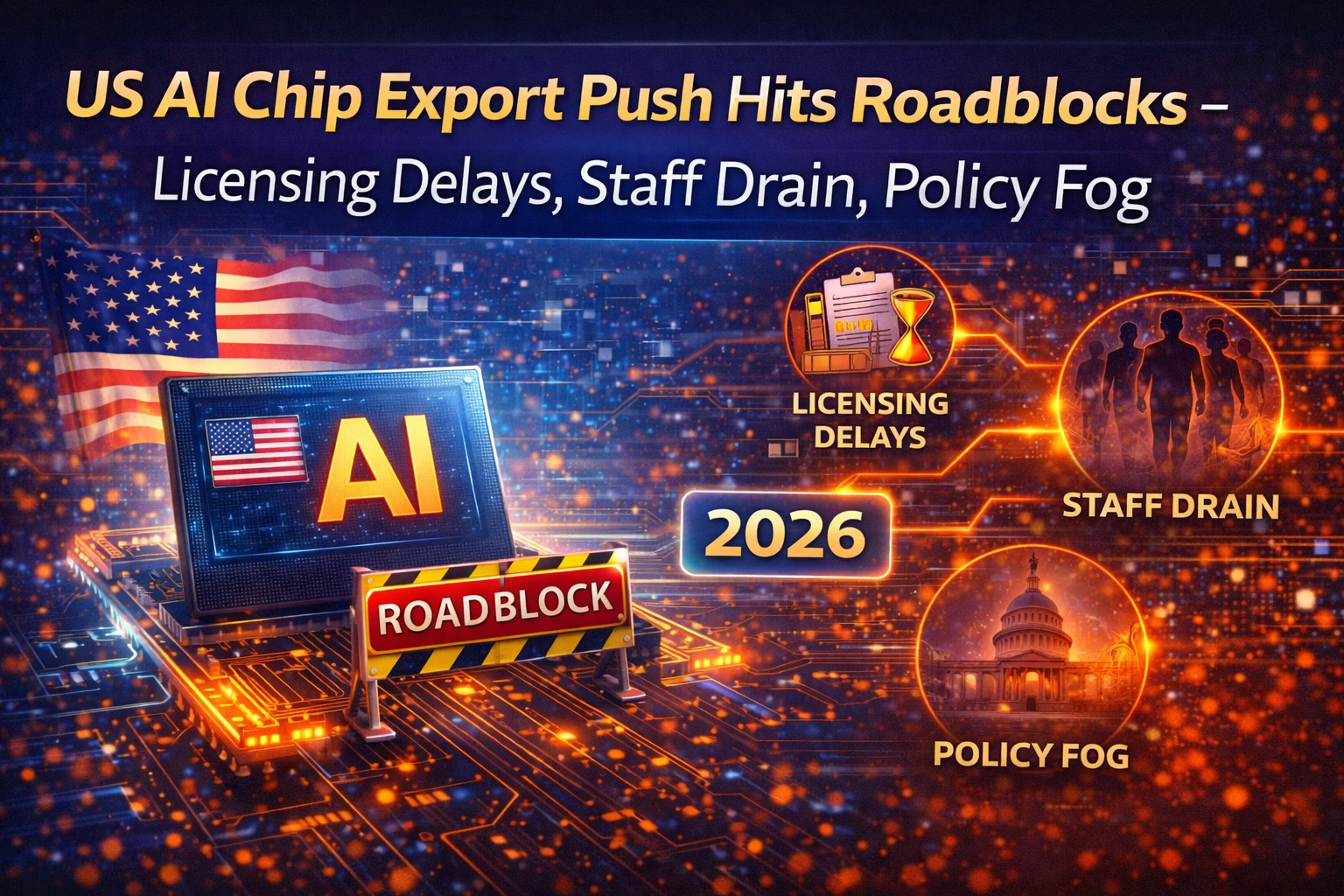
The US government just rolled out a new programme to speed up licences for exporting advanced AI chips to friendly countries. On paper it looks like a win‑win: American fabs get more sales, allies get the hardware they need for large language models, and China stays out of the loop. But the reality on the ground is a different story – the Bureau of Industry and Security (BIS) is swamped, key engineers are quitting, and the policy language is still fuzzy.
Why the US cares
Since the AI boom, the Department of Commerce has been tightening export controls on chips that can accelerate deep‑learning workloads. The latest move, announced in early 2024, is meant to create a fast‑track licence lane for "trusted" partners – think Japan, South Korea, Taiwan and a few European nations. The idea is to keep the supply chain robust for allies while denying the same tech to China’s AI labs.
License bottlenecks – the paperwork maze
Every export request still has to go through the BIS’s Export Administration Regulations (EAR) review. The new fast‑track is supposed to cut the review time from months to weeks, but the agency is still processing about 2,300 AI‑chip licence applications per month – a 30% increase from last year. The surge has overwhelmed the existing review teams.
Because the BIS hasn’t hired enough reviewers, many applications are stuck in a queue. Companies report waiting 45‑60 days for a decision, far longer than the promised 14‑day window. This delay is hurting US fab owners like Intel and GlobalFoundries, who have orders from European AI startups waiting on clearance.
Staff attrition – the talent drain
Adding to the backlog, the BIS has seen a 12% turnover rate among its senior export‑control analysts in the past 18 months. Many seasoned staff left for private‑sector jobs that pay 20‑30% more and offer less bureaucratic hassle.
New hires are coming in, but they lack the deep technical background needed to evaluate cutting‑edge AI chips. This knowledge gap means more back‑and‑forth questions with applicants, further slowing the process.
Policy fog – unclear rules
The fast‑track lane is built on a list of "trusted" entities, but the criteria for getting on that list are vague. Companies ask, "Do we need a separate licence for each chip family?" and "What performance thresholds trigger a stricter review?" BIS officials admit the guidance is still being drafted.
Without clear benchmarks, firms are forced to over‑document, adding to the paperwork load. Some have even paused shipments until the rules are clarified, fearing hefty penalties.
Impact on India
India isn’t on the initial trusted list, but the policy ripple will be felt here too. Indian AI startups rely on US‑made GPUs and ASICs for training large models. Right now, they already face a 3‑month average lead time for licences. If the bottleneck worsens, Indian firms could see costs rise as they scramble for alternative suppliers.
On the flip side, the US push could open a secondary market for Indian manufacturers. Companies like Tata Elxsi and Wipro are gearing up to produce edge‑AI chips that qualify under the less‑restricted categories. If they can certify quickly, they might capture a slice of the demand from countries stuck in the US licence queue.
TamilTech’s take – the good, the bad, and the ugly
Honestly, the US intention is solid – we need to keep the AI hardware race away from hostile actors. But the execution feels like a half‑baked sprint. Licensing bottlenecks will push eager buyers to look elsewhere – maybe to Chinese or European vendors that have fewer export hurdles.
Staff attrition is a classic government problem. Unless the Commerce Department offers competitive pay or faster career tracks, the BIS will keep losing its best analysts. That means the policy fog will stay thick for months.
For Indian readers, the immediate takeaway is to start diversifying your AI‑chip sources now. Look at AMD’s Radeon Instinct line, Nvidia’s older A100 models (which may fall outside the newest controls), or even explore on‑premise FPGA solutions from Xilinx. Also, keep an eye on the upcoming "trusted partner" list – if India gets a seat, the waiting game could end quickly.
What’s next?
The Commerce Department plans to hire 150 new analysts by Q4 2024 and to publish a detailed FAQ on the fast‑track criteria by the end of the year. Until then, expect the licence queue to stay long and the policy language to shift.
For startups, the safest bet is to file licence requests early, over‑document your chip specs, and maintain a backup hardware plan. For policymakers, the message is clear: speed without staff and clarity is just a mirage.






Comments (0)
Be the first to comment!