


Key Takeaways
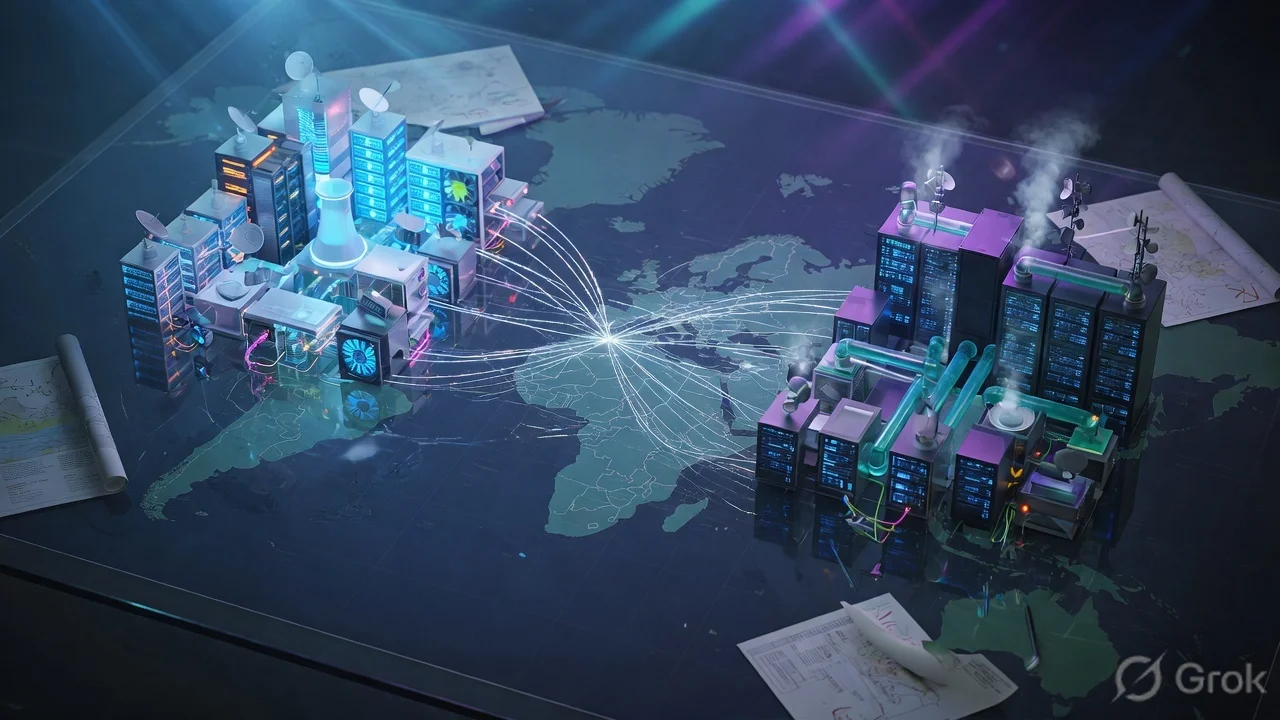
- US pressuring countries to choose sides in AI race with China to starve Beijing of critical resources
- China launches World Artificial Intelligence Cooperation Organization as counter-move
- India faces strategic dilemma between US tech ecosystem and Chinese partnerships
- Global tech supply chains at risk of bifurcation along geopolitical lines
- Military applications of AI becoming increasingly central to national security calculations
What's the news
The US is implementing a strategy to pressure countries to choose sides in the artificial intelligence race with China. This move is designed to limit China's access to critical resources needed for developing sophisticated AI systems, which could be used for both military and economic dominance. The strategy represents a significant escalation in the technological competition between the world's two largest economies.
Details
According to the topic notes, this US strategy involves pressuring countries to choose between aligning with American AI initiatives or supporting China's AI development. The goal is to create a technological divide that would limit China's access to essential components, data, and expertise needed for advanced AI development.
In response, Chinese President Xi Jinping launched a rival "World Artificial Intelligence Cooperation Organization" in July, as mentioned in the topic notes. This organization appears to be China's attempt to create an alternative framework for AI cooperation that doesn't depend on Western technology and standards.
The AI race between the US and China has intensified in recent years, with both countries investing billions in research and development. The competition extends beyond commercial applications to include military uses of AI, autonomous systems, and strategic advantages in various domains.
India impact
For India, this development presents both opportunities and challenges. On one hand, India could strengthen its position as a neutral technology hub that bridges different technological ecosystems. Indian tech companies and startups might benefit from reduced competition in certain segments if the global market bifurcates.
However, India also faces difficult choices. Many Indian tech companies have partnerships with both American and Chinese firms. The bifurcation could force difficult decisions about which partnerships to maintain or develop. Additionally, India's growing AI sector, which includes companies like Jio developing AI solutions for the Indian market, might face supply chain disruptions if critical components become restricted.
The Indian government's approach to AI regulation and development, including initiatives like the National AI Strategy, will need to navigate these geopolitical tensions carefully to maintain India's technological sovereignty while maximizing opportunities.
Use cases
The AI race between the US and China has implications across various sectors:
Military Applications:
- Autonomous weapons systems
- Intelligence gathering and analysis
- Cybersecurity tools
- Command and control systems
Economic Applications:
- Manufacturing automation
- Financial services optimization
- Healthcare diagnostics
- Agricultural productivity
Consumer Applications:
- Personal assistants
- Recommendation algorithms
- Autonomous vehicles
- Smart home devices
For India specifically, AI applications in agriculture (given India's large agricultural sector), healthcare (given India's population and healthcare challenges), and education (given India's young population) could see accelerated development if India can navigate the geopolitical tensions effectively.
Honest take
The US strategy to pressure countries into choosing sides in the AI race with China represents a significant shift in how technological competition is being conducted. While it may help maintain American technological leadership in the short term, it also risks creating a fragmented global technology landscape that could slow innovation and create inefficiencies.
For India, this situation requires careful navigation. India's strength has always been its ability to maintain strategic autonomy while engaging with multiple partners. The challenge will be to leverage this position to accelerate India's own AI capabilities while avoiding becoming a pawn in the larger US-China competition.
The long-term implications could include accelerated development of indigenous AI capabilities in many countries, increased focus on open-source AI technologies, new partnerships based on technological compatibility rather than traditional geopolitical alignments, and potential for technological decoupling in critical sectors.
FAQs
Q1: Why is the US pressuring countries to choose sides in the AI race with China?
A1: The US aims to limit China's access to critical resources, technologies, and expertise needed for advanced AI development. This strategy is designed to maintain American technological leadership and prevent China from achieving military and economic advantages through AI.
Q2: What is China's World Artificial Intelligence Cooperation Organization?
A2: Launched by Chinese President Xi Jinping, this organization appears to be China's attempt to create an alternative framework for international AI cooperation that doesn't depend on Western technology and standards. It aims to build partnerships with countries interested in developing AI capabilities outside the US-dominated ecosystem.
Q3: How might this affect India's tech sector?
A3: India's tech sector faces both opportunities and challenges. While reduced competition in certain segments could benefit Indian companies, partnerships with both US and Chinese firms may become difficult to maintain. The bifurcation could also disrupt supply chains for AI components and technologies.
Q4: What are the economic implications of this AI race?
A4: The AI race could lead to a bifurcation of global technology markets, with potential disruptions to supply chains, increased costs for AI development, and accelerated investment in indigenous AI capabilities in various countries. It could also create new opportunities for countries that can effectively navigate the geopolitical tensions.
Q5: What could be the military implications of the AI race?
A5: Both the US and China are developing AI applications for military use, including autonomous weapons systems, intelligence analysis, cybersecurity tools, and command and control systems. The competition could accelerate the development of these technologies while raising concerns about arms races and the potential for AI-powered conflicts.



Comments (0)
Be the first to comment!