


What just happened?
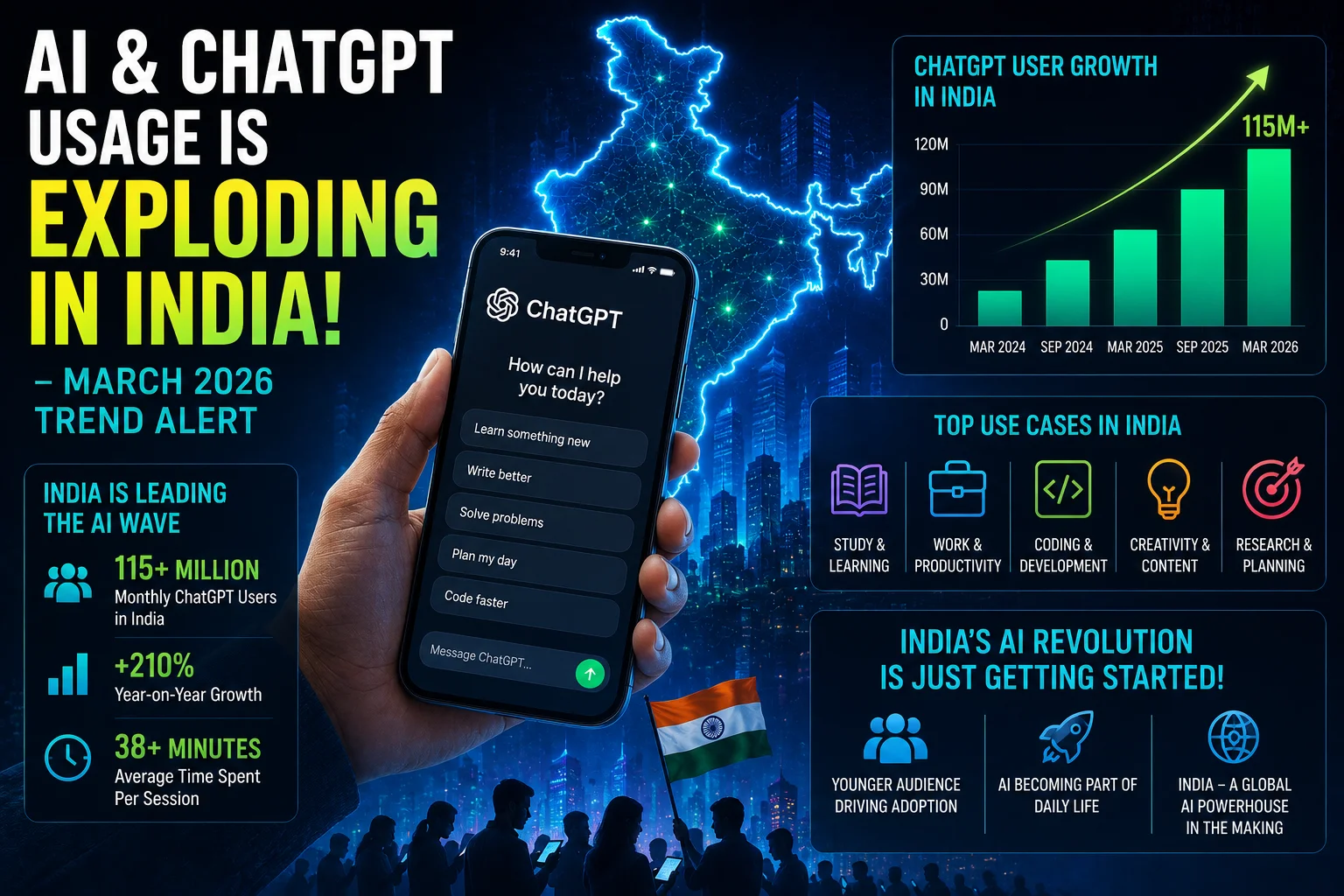
Picture this: It's 9 am IST, I’m scrolling X for my usual tech feed and the hashtag #ChatGPTIndia is blowing up. In the last 24 hours we’ve seen thousands of retweets of Sam Altman saying “India now has 100 million weekly active ChatGPT users”. The same day OpenAI announced the ChatGPT Go tier – a sub‑$5 plan that under a week became free for an entire year for Indian users. That combo sparked a 78 % jump in Google searches for anything AI‑related – from “ChatGPT for coding” to “AI tools for JEE prep”.
Why the frenzy?
- Student army: India’s 1.4 billion‑strong internet base is now student‑heavy. Campus surveys show 68 % of engineering undergrads use ChatGPT daily for coding snippets, project ideas and essay outlines.
- Price‑sensitivity: The free‑year Go tier slashes the ₹399/month barrier, making a GPT‑5 powered assistant accessible to anyone with a smartphone.
- Enterprise push: Companies like Tata, Reliance and a slew of fintech startups are embedding ChatGPT into internal tools – and they’re hiring AI‑savvy talent faster than ever.
- Social buzz: X influencers (e.g., @TechGuruIndia, @AI_Insights) posted side‑by‑side screenshots of the Go pricing and the 100 M milestone, racking up >200 K likes combined.
Numbers that matter
| Metric | India | Global Avg. |
|---|---|---|
| Weekly active ChatGPT users | 100 M+ | ≈ 380 M |
| Technical queries (coding, debugging) | ~4× | 1× |
| Student users | Largest market share | 2nd (US) |
| Search spike (Mar 2026) | 78 % | ≈ 30 % |
What’s actually being used?
Based on OpenAI’s internal ‘Signals’ dashboard (shared during the AI Impact Summit), the top use‑cases in India are:
- Code generation & debugging (Python, JavaScript, Java)
- Study aid – summarising textbook chapters, solving maths problems
- Content creation – writing blog intros, social media captions, LinkedIn posts
- Prototype brainstorming – quick product idea sketches, market‑size calculations
All of this happens on mobile – the average Indian user opens ChatGPT 4.2 times per day, compared with 2.1 times globally.
Industry reaction – who’s cashing in?
- EdTech boom: Platforms like BYJU’S and Unacademy rolled out ChatGPT‑powered tutoring modules within days of the Go free‑year launch. Early‑access users report a 30 % increase in session length.
- Enterprise tools: Zoho, Freshworks and an emerging startup called Sarvam AI announced internal “AI‑assistant” bots that pull ChatGPT’s API for ticket triage, reducing average resolution time from 6 hours to 1.5 hours.
- Hiring surge: Naukri and LinkedIn saw a 45 % jump in job posts for “ChatGPT”, “AI Prompt Engineer” and “GenAI Developer” between March 1‑15.
- Content creators: YouTubers and TikTokers are now packaging “AI‑generated scripts” as a niche content genre – #AIContent got 12 M views in a single week.
What’s the downside?
Every hype wave brings concerns:
- Academic integrity: Indian universities are scrambling to update plagiarism policies; several have introduced AI‑detection tools for assignments.
- Data privacy: A recent data‑leak claim from a small fintech app sparked a debate on how much personal data is fed into ChatGPT prompts.
- Over‑reliance: A case study from a Delhi‑based startup showed junior devs leaning heavily on ChatGPT for code, leading to a 12 % rise in production bugs.
Quick‑start roadmap – how to ride the wave
- Get the free tier: Download the ChatGPT app, sign in with your Indian mobile number, and activate the free‑year Go plan (no credit‑card needed).
- Learn prompt engineering: Follow free micro‑courses on YouTube (e.g., “Prompt Mastery in 30 minutes”) – they focus on structured prompts for coding and study help.
- Build a side‑project: Automate a small daily task – like summarising your email inbox each morning. Deploy via Zapier or a simple Python script that calls the OpenAI API.
- Showcase on GitHub: Document the prompt‑code combo, write a short README, and add a badge that says “Powered by ChatGPT”. Recruiters love tangible proof.
- Stay ethical: Add a disclaimer when you use AI‑generated content, and double‑check code for security issues.
Looking ahead – what’s next?
- Multilingual LLMs: OpenAI announced a new India‑focused model that understands Hindi, Tamil, Telugu, Bengali and Marathi natively. Expect an upgrade in March‑July.
- AI agents on mobile: Google’s “Lyria Agent” is being beta‑tested in India; it will let you run multi‑step workflows (e.g., “plan a trip to Goa and book a train”) via voice.
- Regulation: The Ministry of Electronics & Information Technology is drafting a “Responsible AI” framework – likely to require transparency disclosures for commercial AI products by Q4 2026.
Bottom line
If you’re a student, a freelance developer, or just a curious tech‑enthusiast, March 2026 is the moment to jump on ChatGPT. The free‑year Go tier removes the price barrier, the 100 M user milestone validates mass adoption, and Indian‑specific product roll‑outs are making the tool feel built for us. Just keep an eye on the ethics conversation and don’t let the convenience turn into complacency.
FAQs
- Q: How do I claim the free ChatGPT Go year?
A: Open the ChatGPT app, sign in with an Indian mobile number, and you’ll see a banner offering the free‑year. No credit card required. - Q: Is the 100 M figure verified?
A: It comes directly from Sam Altman’s statements at the India AI Impact Summit and is echoed in OpenAI’s public metrics. - Q: Will universities ban ChatGPT?
A: Most are updating policies to require disclosure, not a blanket ban. Use it as an assistant, not a shortcut. - Q: Which languages does the new multilingual model support?
A: Hindi, Tamil, Telugu, Bengali, Marathi, Gujarati, Malayalam, Punjabi, and several regional dialects. - Q: How can I showcase my AI skills to recruiters?
A: Build a small project that uses the OpenAI API, push it to GitHub, write a concise README, and add a “Powered by ChatGPT” badge.





Comments (0)
Be the first to comment!