


What’s the news?
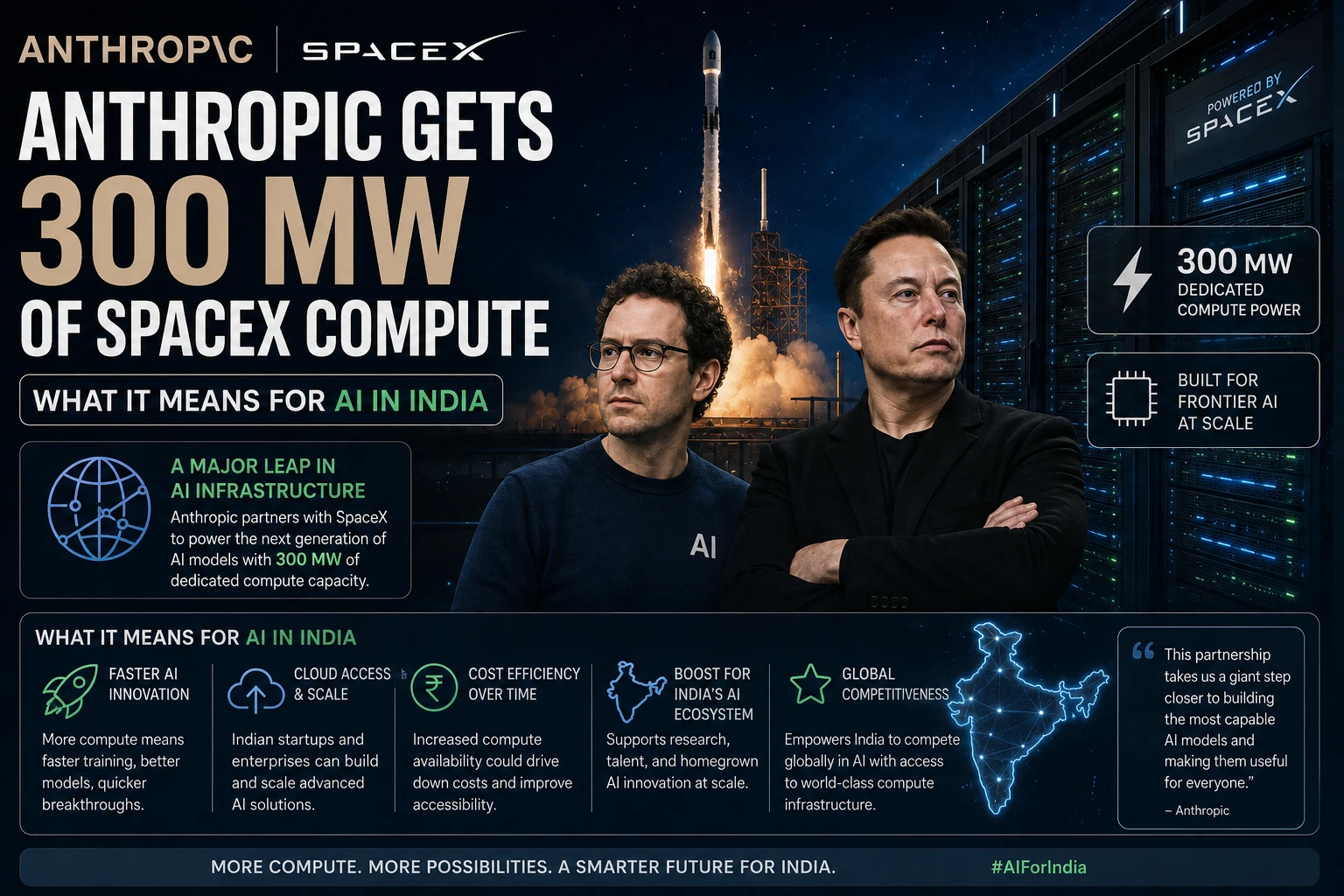
Anthropic, the startup behind Claude, announced that it has signed a partnership with SpaceX to use the entire compute capacity of the company’s new Colossus 1 data centre. In plain English – Anthropic will now have access to more than 300 megawatts of GPU power, roughly the same electricity that fuels a small town.
Why does 300 MW matter?
Most AI labs today run on a few hundred GPUs spread across several data‑centres. 300 MW translates to roughly 30,000 high‑end GPUs running at full tilt. That means training a 1‑trillion‑parameter model, which used to take months, could now be done in weeks or even days. For Anthropic it’s a shortcut to keep up with OpenAI, Google and Microsoft without building its own massive farms.
How does SpaceX fit in?
SpaceX isn’t just about rockets. Its Starlink satellite network and launch‑pad expertise gave the company the cash to build Colossus 1 in Texas. The data centre is powered by a mix of renewable solar and on‑site battery storage, so the 300 MW is largely green – a point that will matter to ESG‑focused investors.
What’s in it for Indian AI startups?
India’s AI ecosystem is booming, but most home‑grown firms still rely on rented cloud GPUs from AWS, Azure or Google Cloud. Those services charge anywhere from $2 to $4 per GPU‑hour. With Anthropic’s new compute pool, the cost per training step could drop dramatically if the company decides to offer API access at lower rates for emerging markets.
Imagine a Bengaluru startup building a multilingual chatbot for Tamil, Hindi and Malayalam. Today, a single large‑scale training run could burn through a budget of ₹10‑15 lakhs. If Anthropic opens up discounted access to its SpaceX‑backed cluster, that same project might cost a fraction, freeing up cash for data collection and UI design.
Potential ripple effects on Indian cloud pricing
Big cloud players will feel the pressure. If Anthropic can deliver comparable performance at a lower price, AWS, Azure and Google Cloud will have to rethink their GPU pricing for the Indian market. We could see a new tier of “AI‑first” instances aimed at startups, much like the recent “Burstable” compute options for web hosting.
TamilTech’s take – pros and cons
Pros:
- Massive compute boost could accelerate AI research in India.
- Potential for cheaper API access, especially for language models tuned to Indian languages.
- Green‑energy backing aligns with India’s push for renewable data‑centres.
Cons:
- Anthropic may keep the most powerful nodes for its own products, limiting external access.
- Regulatory hurdles – cross‑border data flow rules could complicate direct usage from India.
- Dependence on a US‑based provider might raise sovereignty concerns.
What should Indian developers do now?
1. Start experimenting with Claude’s API – Even the current version is strong for text generation in Indian languages. 2. Watch for announcements – Anthropic will likely roll out a “developer‑first” program later this year. 3. Prepare your data pipelines – When cheaper compute becomes available, you’ll want to be ready to scale fast. 4. Engage with local cloud partners – Talk to your AWS or Azure rep about hybrid models that combine their services with Anthropic’s upcoming offering.
Looking ahead
Anthropic’s deal is a clear signal that AI compute is becoming a commodity, just like storage or bandwidth. For India, that could mean the next wave of home‑grown AI products – from regional language assistants to AI‑driven agritech – will be built faster and cheaper. Keep an eye on the pricing announcements; the first Indian startup to snag a discount could become the next big thing.
Stay tuned to TamilTech for updates on pricing, beta invites and real‑world case studies as Anthropic rolls out its SpaceX‑powered compute to developers worldwide.





Comments (0)
Be the first to comment!