


Apple’s secret eyewear lab is buzzing
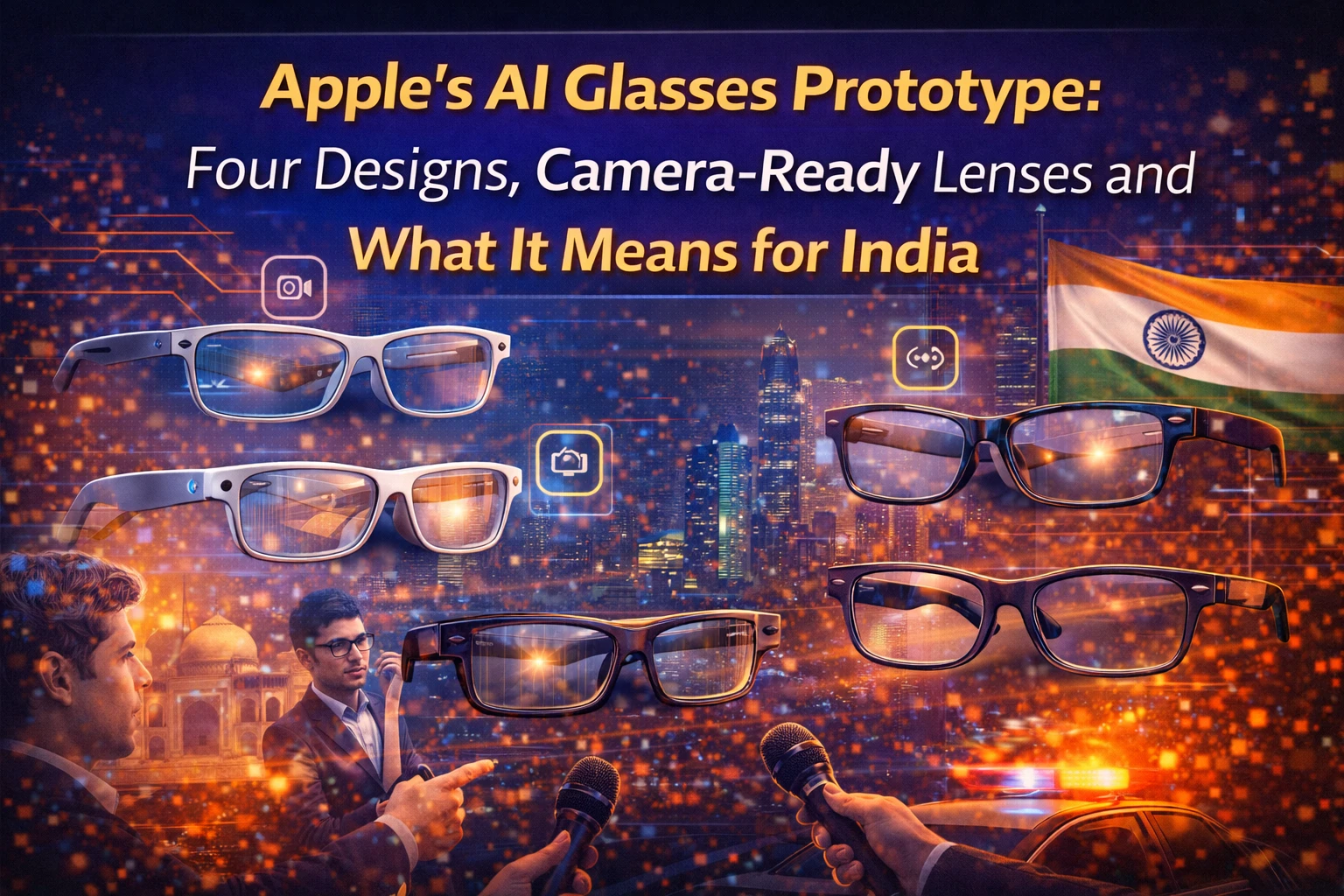
It’s not a rumor this time – Apple is actively prototyping four different AI‑glasses designs. The company has been quietly testing them with a select group of users, and the looks are starting to surface.
Two of the models sport a classic rectangular frame, while the other two go for an oval shape that feels more fashion‑forward. Both styles are offered in a handful of colours – think space‑grey, midnight‑blue, silver and a fresh rose‑gold. The biggest headline, though, is the camera system: a vertically oriented oval lens that can capture the world in front of you while keeping the look sleek.
What’s actually inside?
Apple isn’t just slapping a tiny camera on a pair of glasses. The lenses are engineered to host a set of micro‑sensors that feed data to Apple’s on‑device AI chips – the same silicon that powers the iPhone’s computational photography. This means real‑time object recognition, translation, and even AR overlays without needing a phone in your pocket.
Key specs (as per the latest test units):
- Vertical oval camera lens with 12‑megapixel sensor
- Custom Apple silicon (likely a variant of the M‑series)
- Battery life projected at 5‑6 hours of continuous AI use
- Bluetooth 5.3 and Wi‑Fi 6E for low‑latency streaming
- Integrated bone‑conducted audio for discreet alerts
Why does this matter for Indian users?
India is the world’s fastest‑growing market for AR and AI‑driven services. From UPI‑based payments to real‑time language translation on the streets of Chennai, a wearable that can understand context without pulling out a phone could be a game‑changer.
Imagine walking through a crowded market and getting instant price comparisons, or a tourist using live translation while the glasses whisper the translation in your ear. The camera’s vertical orientation also means the device can capture taller subjects – perfect for scanning Indian ID cards, Aadhar documents, or even reading a train ticket without squinting.
Pricing & availability – what to expect?
Apple hasn’t announced a price tag yet, but looking at the iPhone SE and Apple Watch pricing ladder, a reasonable guess would be somewhere between ₹30,000 – ₹45,000 for the base model. That’s in line with high‑end Indian smart‑glasses like the Lenovo Smart Glasses, but Apple’s brand premium could push it higher.
Availability will likely start with a limited rollout in the US and Europe, followed by an Indian launch maybe a year later. Apple usually partners with local carriers for LTE/5G connectivity, so we might see a tie‑up with Jio or Airtel for the cellular variant.
TamilTech‑ஓட கருத்து – pros and cons
Pros:
- Seamless integration with iPhone, iPad and Mac – you’ll get the same ecosystem feel.
- On‑device AI means lower latency and better privacy – no data sent to the cloud for every glance.
- Multiple frame styles and colours cater to Indian fashion sensibilities.
Cons:
- Battery life may not survive a full day of heavy AR use, especially in hot Indian climates.
- Price could be a barrier for most Indian consumers.
- Limited third‑party app support at launch – developers will need time to build native AR experiences.
Overall, we think Apple’s move is bold. If they can crack the price‑point and localise the AI (think Tamil, Hindi, Bengali language packs), the glasses could become a must‑have for professionals, students and even daily commuters.
What’s next?
Apple is expected to showcase a refined version at WWDC later this year. Keep an eye on the official Apple website for a pre‑order window, and watch for Indian retailers like Flipkart and Amazon India – they usually get the early stock for Apple’s new hardware.
Until then, the best you can do is stay updated with TamilTech for every leak, rumor, and hands‑on impression as soon as the glasses hit the market.





Comments (0)
Be the first to comment!