


Key Takeaways
- The Department of Financial Services has rejected claims that outside lobbies or payment giants are dictating India's UPI MDR policy.
- Everyday person-to-person transfers and basic merchant QR code payments remain completely free for consumers and small shop owners.
- The zero-MDR policy stays protected as the government balances fintech infrastructure maintenance with grassroots digital adoption.
- Fintech apps continue relying on alternative revenue channels like merchant soundboxes, credit lines on UPI, and lending services.
Why is everyone talking about UPI fees again?
You walk up to your neighborhood tea stall, order a hot chai, and scan the yellow or blue QR standee with your phone. You pay ₹12. The speaker announces the payment, you pocket your phone, and you walk away.
Nobody pays an extra convenience fee. The tea vendor gets the exact ₹12 in their linked savings account. It feels natural because that is how UPI has worked across India for years.
Every few months, an alarming message pops up on family WhatsApp groups. The claim is always the same: UPI will stop being free next Monday, and every scan will cost extra money. While the panic forwards are baseless, the policy debate behind the scenes is very active.
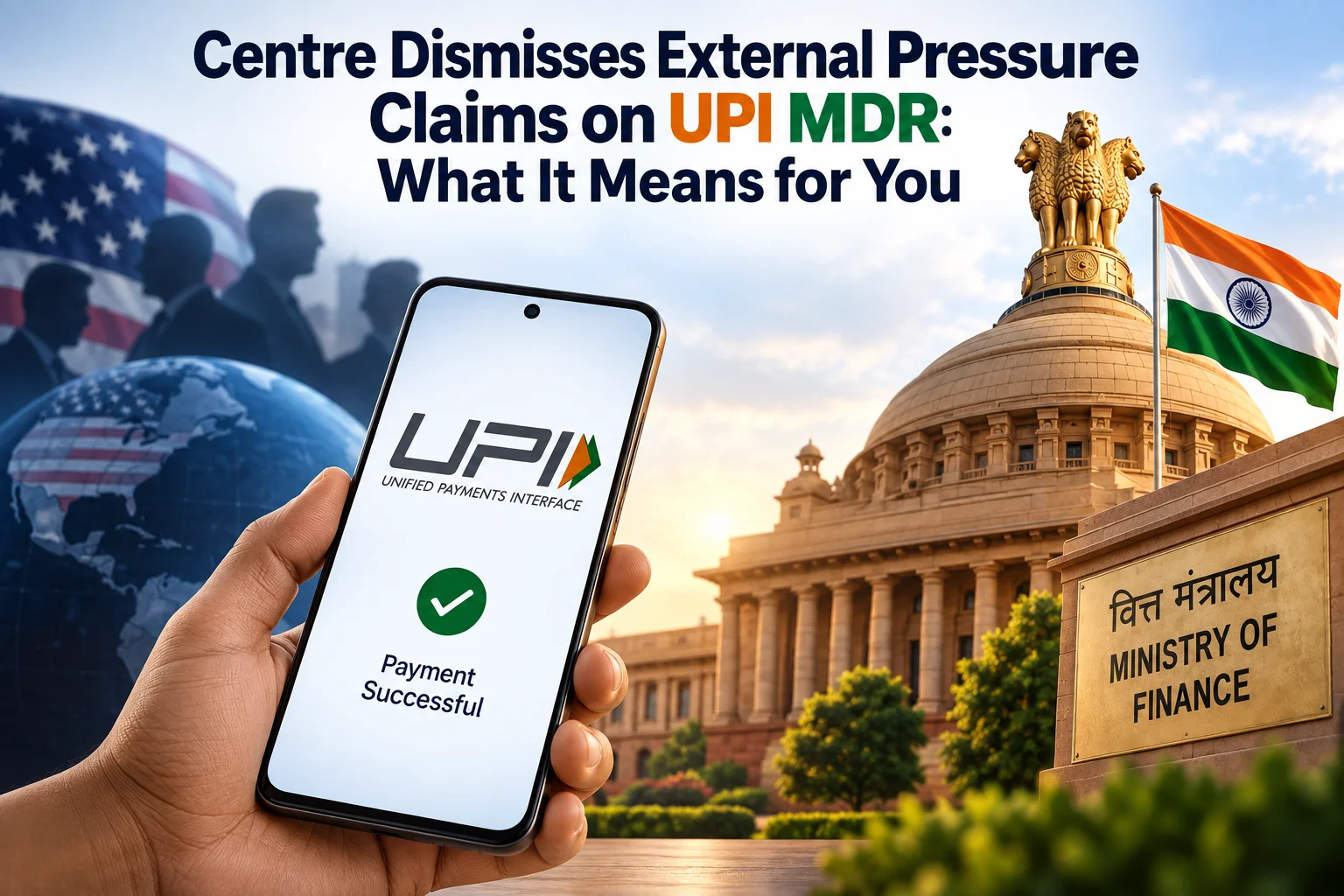
Talk resurfaced recently suggesting that foreign payment networks and domestic payment aggregators were pushing the government to bring back Merchant Discount Rate (MDR) on UPI. The Department of Financial Services under the finance ministry stepped in to clarify the position. The Centre made it clear that domestic public interest guides UPI policies, not pressure from commercial lobbies.
How does MDR actually work behind your screen?
To understand why payment companies keep bringing this up, look at how traditional card payments work. When you swipe a debit or credit card at a shopping mall, the shop owner does not get the entire bill amount.
A slice of that money, typically anywhere between 0.9% and 2%, gets deducted as MDR. That cut is split between the card network, the bank that issued your card, and the payment machine company. It pays for high-capacity servers, fraud detection systems, telecom links, and customer support desks.
In 2020, the government changed the game by setting MDR to zero for RuPay debit cards and UPI merchant payments. When you scan a QR code at a grocery store, your bank charges nothing, the merchant's bank takes nothing, and the app takes nothing.
Processing hundreds of millions of transactions every single day is not free. Servers crash under peak festive loads if capacity is not constantly expanded. Banks and fintech platforms spend hundreds of crores annually on infrastructure, security patches, and dispute resolution mechanisms. While the government rolls out budgetary support schemes to offset these costs, banks have consistently asked for a permanent commercial model.
Who wanted charges, and what did the government say?
Payment aggregators and global card companies have watched UPI capture the vast majority of retail digital payments in India. Without MDR on standard transactions, payment gateway companies struggle to turn a direct profit on basic transaction processing alone.
Speculation suggested that intense lobbying might force the finance ministry to allow a blanket MDR rollout across standard UPI payments. The Department of Financial Services pushed back firmly against that narrative. The government maintained that pricing structures for digital public infrastructure are sovereign policy matters aimed at financial inclusion, not lobby-driven decisions.
National Payments Corporation of India (NPCI) did introduce an interchange fee on merchant transactions conducted via Prepaid Payment Instruments, like digital wallets, for amounts above ₹2,000. That rule targeted high-value commercial wallet transactions. For regular bank account-to-bank account transfers, zero MDR remains the ironclad baseline.
What does this mean for your daily UPI scans?
For regular shoppers, nothing changes at the billing counter. Whether you are paying your local auto driver, buying groceries on Blinkit, or ordering dinner on Swiggy, you will not see hidden surcharge fees added to standard bank UPI checkouts.
For small vendors and kirana store owners, this clarity provides breathing room. Small merchants adopted QR standees because there was zero friction and zero commission loss. If a 1.5% fee were slapped on every basic QR scan, millions of tiny merchants would simply pack up their standees and ask for cash again.
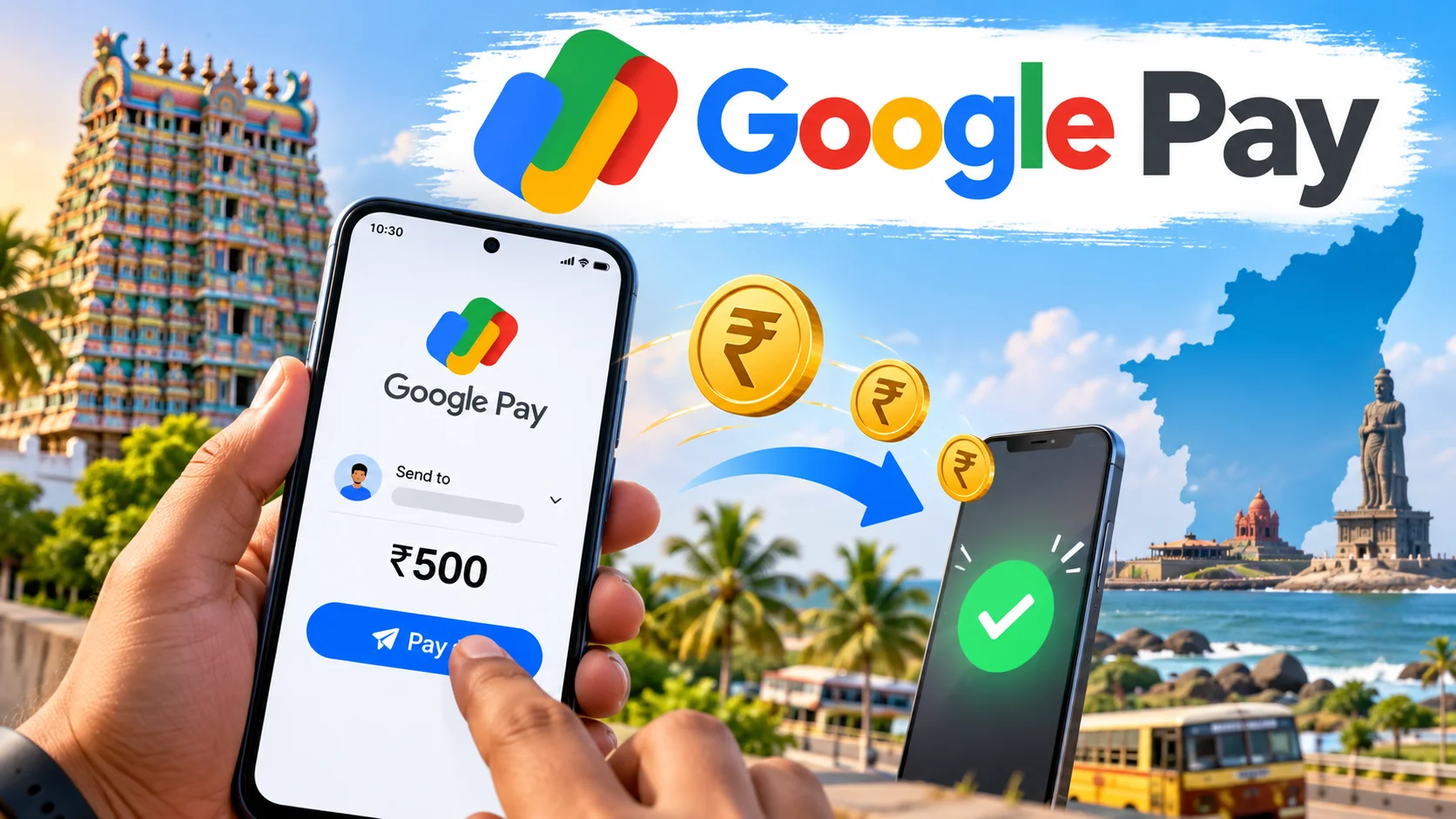
For payment apps like PhonePe, Google Pay, and Paytm, the playbook remains unchanged. They cannot rely on basic transaction tolls. Instead, they build business models around value-added services. They sell hardware subscriptions like audio soundboxes and POS smart devices, distribute pre-approved personal and merchant loans, offer mutual funds, and facilitate credit cards on UPI.
For commercial banks, the focus stays on backend reliability. The government continues to provide targeted financial incentive schemes to help banks upgrade server capacity, ensuring fewer payment drop-offs during high-volume sales events.
How are payment companies making money without MDR?
If processing your ₹20 payment earns fintech apps zero commission, you might wonder why they continue offering the service so enthusiastically.
The answer lies in the ecosystem built on top of the payments rail. Once a merchant relies on a specific app's QR code, the fintech company offers a monthly rental soundbox that reads out payment confirmations. That soundbox brings predictable recurring revenue of ₹100 to ₹125 every month per shop.
Fintechs also analyze transaction volumes to underwrite small merchant working-capital loans. A shopkeeper with steady daily UPI receipts can access a fast business loan directly inside their merchant dashboard, earning the fintech platform a distribution commission.
On the consumer side, features like RuPay credit cards linked to UPI allow banks and payment apps to earn standard credit interchange on merchant spends. This setup lets the ecosystem monetize higher-value credit purchases while keeping basic savings-account transactions free for the public.
What should you do right now?
First, disregard unverified social media warnings claiming that personal money transfers between family members or friends will attract processing fees. Person-to-person UPI transfers remain completely free.
Second, if you run a small retail business, keep using your standard bank-linked merchant QR codes. You do not need to worry about sudden percentage cuts eating into your daily retail margins on direct account transfers.
Third, switch to UPI Lite for your micro-spends under ₹500. UPI Lite runs directly on your device wallet without pinging your core bank servers for a PIN. It speeds up payments at crowded tea stalls and supermarkets while keeping your primary bank statement clean and clutter-free.

Comments (0)
Be the first to comment!