


Key takeaways
- Delhi High Court has directed the RBI to mediate the dispute between Prosus-backed PayU Payments, YES Bank, other banks and Visa.
- PayU is a major player in India’s online payments and merchant acquiring space, competing with Razorpay, Cashfree and others.
- The case shows how card network rules, bank settlement systems and fintech platforms can clash in India’s digital payments market.
- RBI mediation could set a template for resolving similar fights without long courtroom battles that hurt merchants and customers.
- Any prolonged freeze or friction here risks affecting card payments for thousands of Indian online sellers who rely on PayU gateways.
What just happened?
A payments fight has reached the High Court. And the court did not want another endless hearing circus.
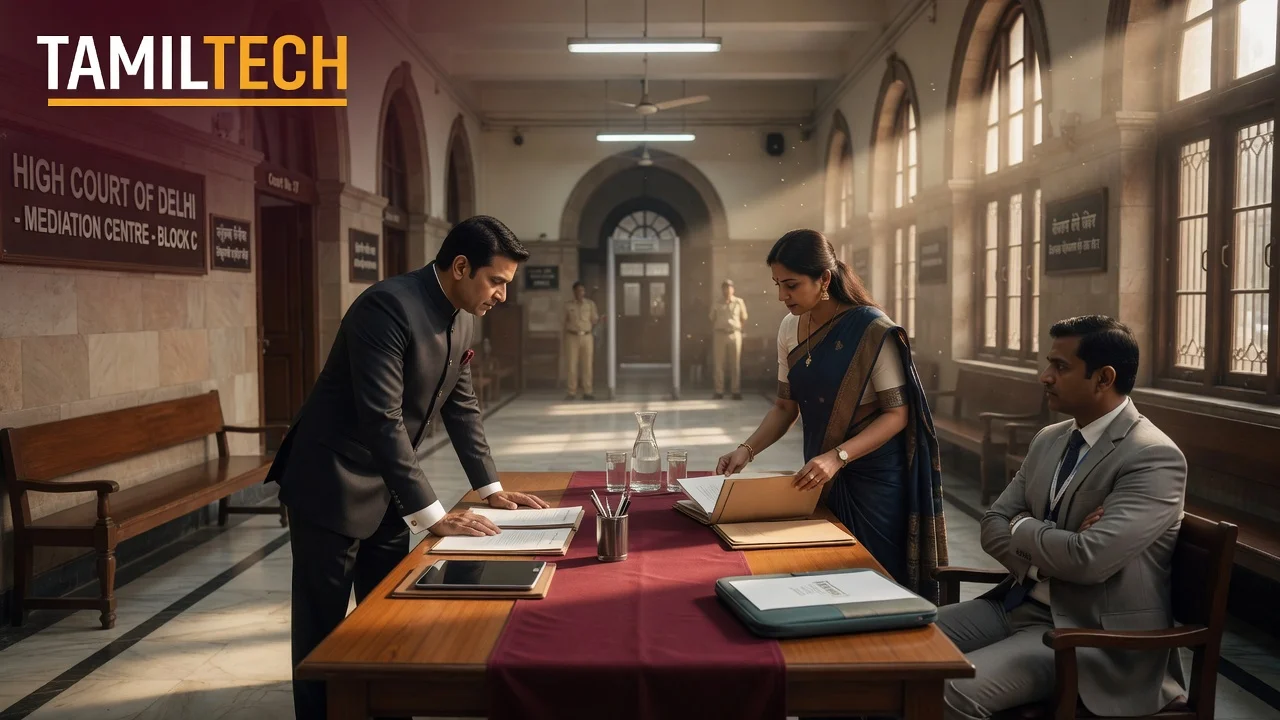
The Delhi High Court has asked the Reserve Bank of India to mediate a dispute involving Prosus-backed PayU Payments, YES Bank, other banks and global card network Visa.
This is not a small private squabble. When a payments company, a major private bank and a card giant end up in court, every merchant who accepts cards through that stack feels the heat.
PayU runs payment gateways and acquiring services used by a large number of Indian e-commerce sites, D2C brands and small businesses. YES Bank has been one of the banking partners in that chain. Visa sits on top as the card network that sets rules for how transactions move and how money settles.
Somewhere in that triangle, things broke down enough that the matter reached the High Court. Instead of letting it drag, the court pulled in the RBI to broker a solution.
For anyone watching India’s fintech space in 2026, this feels familiar. Payments rails have become critical infrastructure. So regulators keep getting pulled into commercial fights. UPI gets the headlines, but card payments still move serious money for travel, electronics and higher-ticket online buys. When those rails jam, trust takes a hit.
How does this actually work?
From what is publicly known, the dispute sits at the intersection of merchant acquiring, settlement timelines and card network compliance.
In plain words: you buy a phone online and pay by card. That money has to reach the merchant. PayU-style gateways process the payment. Banks like YES Bank provide the banking and settlement layer. Visa provides the network and the rulebook.
If one party believes another is not sticking to commercial terms or operational obligations, money can get stuck. Accounts can face restrictions. Merchants start screaming.
Take a small D2C brand that collects card payments through PayU. If settlement slows, cash flow takes a hit the same week. Stock orders slip. Ads pause. Salaries get tight. So even if it looks like a “fintech vs bank” private fight, the real damage lands on sellers and customers.
The Delhi High Court did not write a long judgment on who is right. It chose the practical route: ask the RBI, which already regulates payment systems and banks, to mediate.
That makes sense. The RBI knows the Payment and Settlement Systems Act framework, the card network guidelines, and the day-to-day realities of how acquiring banks and payment aggregators work in India. A mediator with that background can cut through the noise faster than a pure courtroom fight.
PayU is backed by Prosus, the big tech investor with deep roots in Indian internet companies. That backing gives PayU scale and staying power, but it does not put it above banking and network rules. YES Bank has rebuilt itself after earlier troubles and remains active in digital banking and merchant services. Visa is still the global brand Indian banks and fintechs need for international cards and a big chunk of domestic credit and debit volume.
None of the parties wants a public bloodbath. Merchants hate uncertainty. If settlements slow down or certain card bins stop working on a gateway, checkout conversion drops overnight. A quiet RBI-led mediation is better for everyone than months of injunctions and counter-affidavits.
What changes for people in India?
India’s digital payments story in 2026 is still dominated by UPI. PhonePe, Google Pay and Paytm move insane volumes every day. But cards have not disappeared.
Credit cards fund big-ticket purchases on Flipkart, Amazon, travel sites and electronics stores. Many D2C brands and SaaS companies still prefer card rails for recurring billing and international customers. Payment aggregators like PayU sit right in the middle of that flow.
A messy dispute between an aggregator, its banking partners and a card network creates two risks. First, operational risk: merchants may see higher failure rates or delayed settlements. Second, confidence risk: smaller sellers start wondering whether they should spread volume across multiple gateways.
If the fight drags, card rails get friction. Merchants begin shopping for alternatives — Razorpay, Cashfree, Paytm Payment Gateway, PhonePe Payment Gateway. Switching is not a one-click job though. Integration, KYC, settlement cycles, chargeback handling — all of that has to move. For small sellers, that is extra cost and headache.
There is a jobs and ecosystem angle too. Fintech teams in product, compliance, risk and merchant success get pulled into court paper mode. Bank acquiring teams and card-network risk teams do the same. Innovation slows. Merchants get fewer new features, slower settlement upgrades and weaker MDR negotiation room.
If RBI mediation works, it can become a template. Next time a bank–fintech–card network fight flares up, regulator table first, long courtroom drama later. That is healthier for India’s payments stack.
What should you do now?
If you are a merchant on PayU, do not panic — but do not go blind either.
Keep your multi-gateway setup live. Watch settlement reports daily for a bit. Stay in touch with your PayU account manager until mediation produces clarity.
If you are a customer paying on Indian sites, and a card payment fails, try UPI or another card. One failed checkout is annoying. A pattern of failures is the signal merchants watch.
For the wider fintech crowd, this is the 2026 reminder: UPI is the star, but card acquiring still carries serious money. When those rails wobble, courts call the regulator. Merchants just want the money to land on time.

Comments (0)
Be the first to comment!