


Key Takeaways
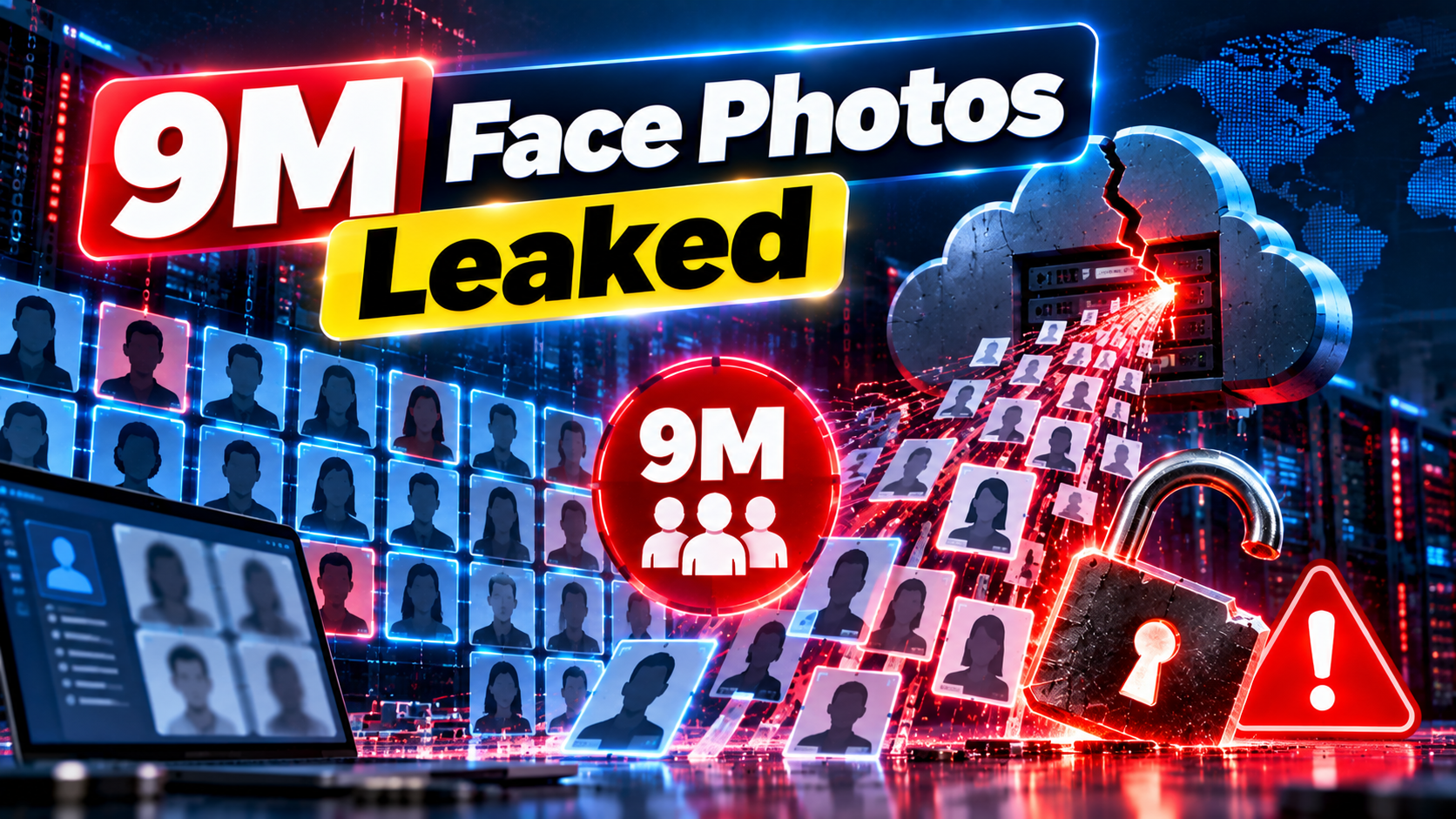
- ClarityCheck's database exposed over 9 million facial images without any password protection
- The exposed data included profile pictures from social media and other public sources
- This breach highlights the growing risks of facial recognition technology in India
- Experts recommend using VPNs and privacy tools when sharing photos online
- The incident raises questions about data protection laws in the Indian context
What's the news
A major privacy breach has exposed millions of people's facial images across the internet. A reverse-lookup service called ClarityCheck accidentally left a database containing over 9 million image files completely unprotected, making them accessible to anyone who knew where to look. The exposed data includes profile pictures and photos that were originally shared on various social media platforms and public websites.
The database was sitting on a cloud server without any password protection or security measures in place. Security researchers discovered the exposed data while conducting routine scans of the internet for vulnerable systems. What makes this breach particularly concerning is that it contains facial images, which can be used for identity theft, deepfake creation, or unauthorized surveillance.
Unlike traditional data breaches that involve names and email addresses, this incident exposes something much more personal - people's faces. Facial recognition technology has become increasingly sophisticated, and having access to millions of facial images could enable various forms of misuse, from creating fake profiles to tracking individuals across different platforms.
Details
The exposed database contained image files in various formats, including JPEG and PNG, with filenames that sometimes included usernames or other identifying information. Many of the photos appeared to be profile pictures from social media accounts, dating profiles, and other online services where users had shared their images publicly.
What's particularly troubling is that the database didn't just contain photos that users had explicitly shared with the reverse-lookup service. Instead, it appears to have scraped images from multiple sources across the internet, creating a massive repository of facial data that could be used for various purposes without users' knowledge or consent.
The exposed data was hosted on a cloud storage service, but the bucket was configured with public read permissions, meaning anyone could access the files without authentication. This is a basic security misconfiguration that cloud providers warn against, but it continues to happen due to human error or negligence.
India impact
This breach has significant implications for India, where facial recognition technology is being increasingly deployed by both government and private entities. From airport security to smart city projects, India is rapidly adopting biometric technologies, making the protection of facial data crucial for citizen privacy.
The exposed database likely includes many Indian users, given the country's massive internet population and the widespread use of social media platforms. With over 700 million internet users in India, the potential scale of this breach within the Indian context is enormous.
Indian data protection laws are still evolving, with the Digital Personal Data Protection Act 2023 being relatively new. This incident highlights the need for stronger enforcement of existing regulations and clearer guidelines on how companies can collect, store, and use facial recognition data.
The breach also raises concerns about the Aadhaar biometric database, which contains facial images of over a billion Indians. While Aadhaar data is said to be secure, this incident demonstrates how easily biometric data can be exposed when proper security measures aren't in place.
Use cases
The exposed facial images could be used for various purposes, both legitimate and malicious. Law enforcement agencies might use the data for investigation purposes, but the same data could also be exploited by criminals for identity theft or creating fake profiles.
Facial recognition technology has legitimate applications in security, access control, and identity verification. However, the unauthorized collection and exposure of facial data without consent raises serious ethical questions about surveillance and privacy.
In the Indian context, such exposed data could be particularly problematic given the growing use of facial recognition in public spaces. From police surveillance to commercial applications, the misuse of this data could have serious consequences for individual privacy and civil liberties.
Honest take
This breach is a wake-up call for both companies and users about the importance of data security. While companies need to implement better security practices, users also need to be more aware of what they share online and how it might be used.
The incident highlights the need for better regulation of facial recognition technology and clearer guidelines on data collection and use. As India continues to digitize and adopt new technologies, protecting citizen data must be a top priority.
For individuals, this breach serves as a reminder to be cautious about sharing photos online and to use privacy tools like VPNs when browsing the internet. It's also important to regularly check if your data has been exposed in any breaches and take appropriate action.
FAQs
Q: How can I check if my photos were exposed in this breach?
A: You can use online services like Have I Been Pwned to check if your email or other identifying information appears in known data breaches. However, there's no direct way to check if specific photos were exposed.
Q: What should I do if I find my photos in this exposed database?
A: If you discover your photos were exposed, you should immediately change passwords for any accounts where you used similar photos as profile pictures. Consider using different photos for different platforms and enable two-factor authentication where possible.
Q: Is facial recognition technology banned in India?
A: No, facial recognition technology is not banned in India. It's being used by various government agencies and private companies, though there are ongoing debates about its regulation and ethical use.
Q: How can companies prevent such breaches?
A: Companies should implement proper security measures including encryption, access controls, regular security audits, and employee training on data security best practices.
Q: What are the legal consequences for companies that expose user data?
A: Under India's Digital Personal Data Protection Act 2023, companies can face significant penalties for data breaches, including fines and potential criminal charges depending on the severity of the breach.




Comments (0)
Be the first to comment!