


முக்கிய விஷயங்கள்
- MDR is a small cut merchants pay when you pay by UPI — users usually don’t see it on screen.
- Zero or near-zero MDR helped UPI explode at kiranas, autos, and small shops across India.
- Banks and payment companies say running rails, fraud checks, and support isn’t free forever.
- Any MDR shift hits small merchants first; big platforms negotiate better rates.
- For you as a customer: keep using UPI, but watch if shops nudge cash or add “digital charges.”
What just happened?
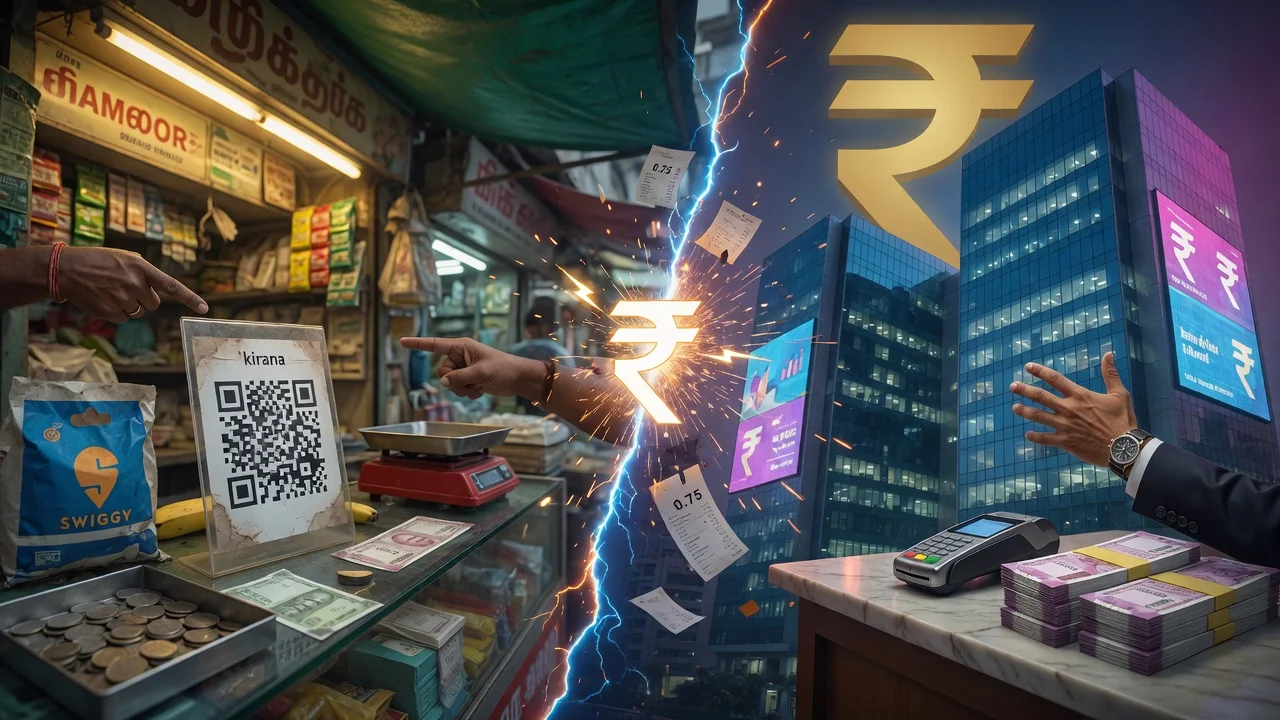
You scan a QR at a juice shop. Two seconds. Money gone. Shopkeeper smiles. No extra line on the bill. That ease is why UPI owns daily India.
Under that calm screen, a money question won’t shut up. Merchant Discount Rate — MDR — on UPI. In plain talk: a small fee on the merchant side every time a digital payment lands.
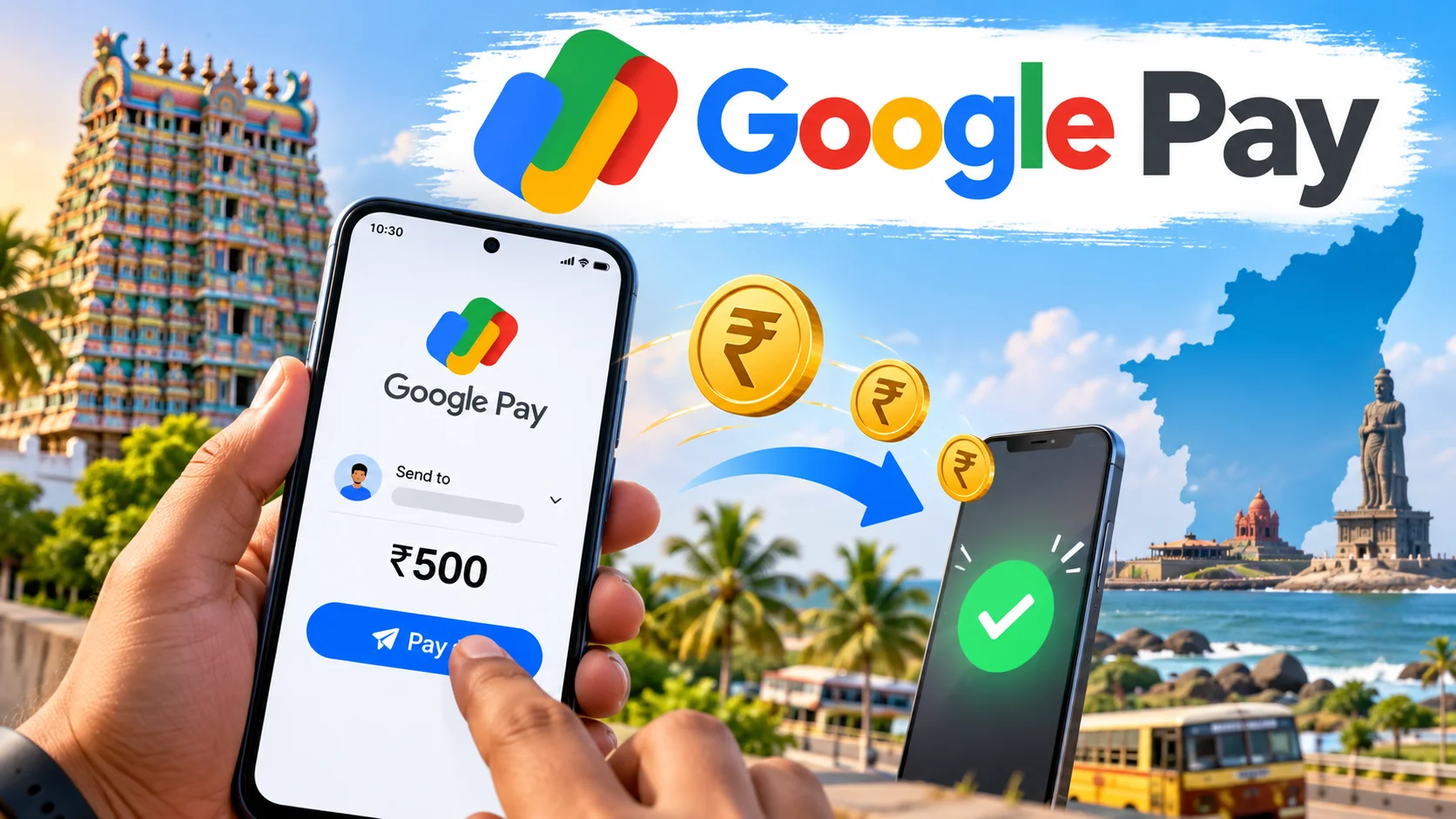
For years, policy and industry choices kept a big chunk of UPI light on MDR, especially for smaller value and smaller sellers. That was rocket fuel. GPay, PhonePe, Paytm, bank apps — all rode the same free-feeling wave.
Now the other side of the table is louder. Banks process the settlement. Apps build the front end. NPCI-style rails need upkeep. Fraud teams don’t work for chai. Someone has to pay for the pipes.
So the debate is simple and spicy: keep UPI cheap for the kirana, or build a steadier revenue line for the companies holding the network up. Both sides claim they’re saving “the future of digital payments.” Classic India tech fight.
How does this actually work?
MDR is not a tax you type in. Think of it as a thin slice taken when a merchant accepts a digital payment. Card swipes in India always had this culture. UPI felt different because so many flows ran at zero or close to zero for the seller.
Money path, short version. You pay from your bank account via a UPI app. The merchant’s account gets credited. In a classic MDR world, a percentage or a small flat cut can sit in the middle for the acquiring side, the app ecosystem, and related players — depending on how the stack is set up.
Why merchants care: margins at a tea stall are already thin. A 0.5% here, 1% there, on hundreds of small taps a day, is not “nothing.” It is rent, sugar, and evening stock.
Why banks and payment firms care: free for everyone forever is a great slogan and a rough P&L. App installs are huge. Interchange-style economics on UPI never matched the card world. Customer support, downtime, chargeback-like disputes, and security tooling still cost real INR.
Government and regulators sit in the middle with a public goal: more digital, less cash friction, especially for small business. That is why MDR on UPI became political-economic, not just a backend fee schedule.
One more plain bit. Users often confuse MDR with a “convenience fee.” Different animals. Convenience fee is what some billers or platforms slap on top and show you. MDR is mostly a merchant-side cost. If a shop silently raises prices or pushes cash, you feel MDR without seeing the word MDR.
What changes for people in India?
If MDR pressure rises on UPI, the first phone call is not to a South Mumbai office. It is to the guy with a ₹2,000 QR board and a plastic stool.
Small merchants have three ugly options. Eat the cost. Pass it into the price of dosa and SIM recharges. Or say “cash better” at peak hour. You have already heard that line in markets when card machines felt expensive years ago.
Larger merchants — think big retail, large online checkout patterns, chains — usually negotiate. They have volume. They have finance teams. The pain is uneven. That unevenness is the real India story.
For salaried folks paying rent split, school fees, and society maintenance on UPI, the app may still look free. The risk is indirect. Slightly higher menu prices. More “UPI extra” mumbling. More shops setting unofficial minimums before they take a scan.
Payment apps still want you opening them ten times a day. Banks still want balances sticky. So nobody is eager to scare users with a big scary fee on the payer side. The tug-of-war stays mostly on the merchant side — which is why the debate sounds technical on Twitter and personal at the counter.
Also keep the habit angle in mind. UPI trained a whole country to tap without thinking. Once trust wobbles — slow refunds, random declines, fee anxiety — cash muscle memory returns fast, especially outside big cities.
What should you do now?
If you are a customer, don’t panic-delete apps. UPI remains the default everyday rail. Do stay awake at checkout. If a shop adds a random “digital charge” that was never there, ask what it is. You can still choose cash, another app, or another shop.
If you run a small business, track your UPI inflows the boring way. Weekly total. Approximate count of small tickets. If MDR-like costs show up through your bank, aggregator, or soft POS setup, calculate the hit before you rage-post. Numbers beat vibes.
Talk to your bank or payment provider in clear language: what is charged, on which MCC or category, on which ticket size, and whether settlement timing changes. Get it in the app dashboard or email, not only a phone promise.
Avoid knee-jerk “no UPI” boards. You will lose impatient customers who carry less cash every year. Better play: slight price hygiene, offer both cash and UPI, and keep QR hygiene clean (correct VPA, correct name, no faded printouts that cause wrong credits).
If you build or operate payments inside a startup, separate three buckets in your head: user growth, merchant affordability, and unit economics. Pretending one can stay magical while the other two burn is how decks get funny in year three.
And for everyone: treat UPI like public infrastructure with private balance sheets. The tap can stay simple only if the boring fee fight stays honest. Watch policy notes, bank SMS, and merchant groups — not just viral forwards claiming “UPI will charge ₹5 per scan from tomorrow.”
Small fee. Big habit. That’s why this argument refuses to die in 2026.


Comments (0)
Be the first to comment!