


What’s the buzz?
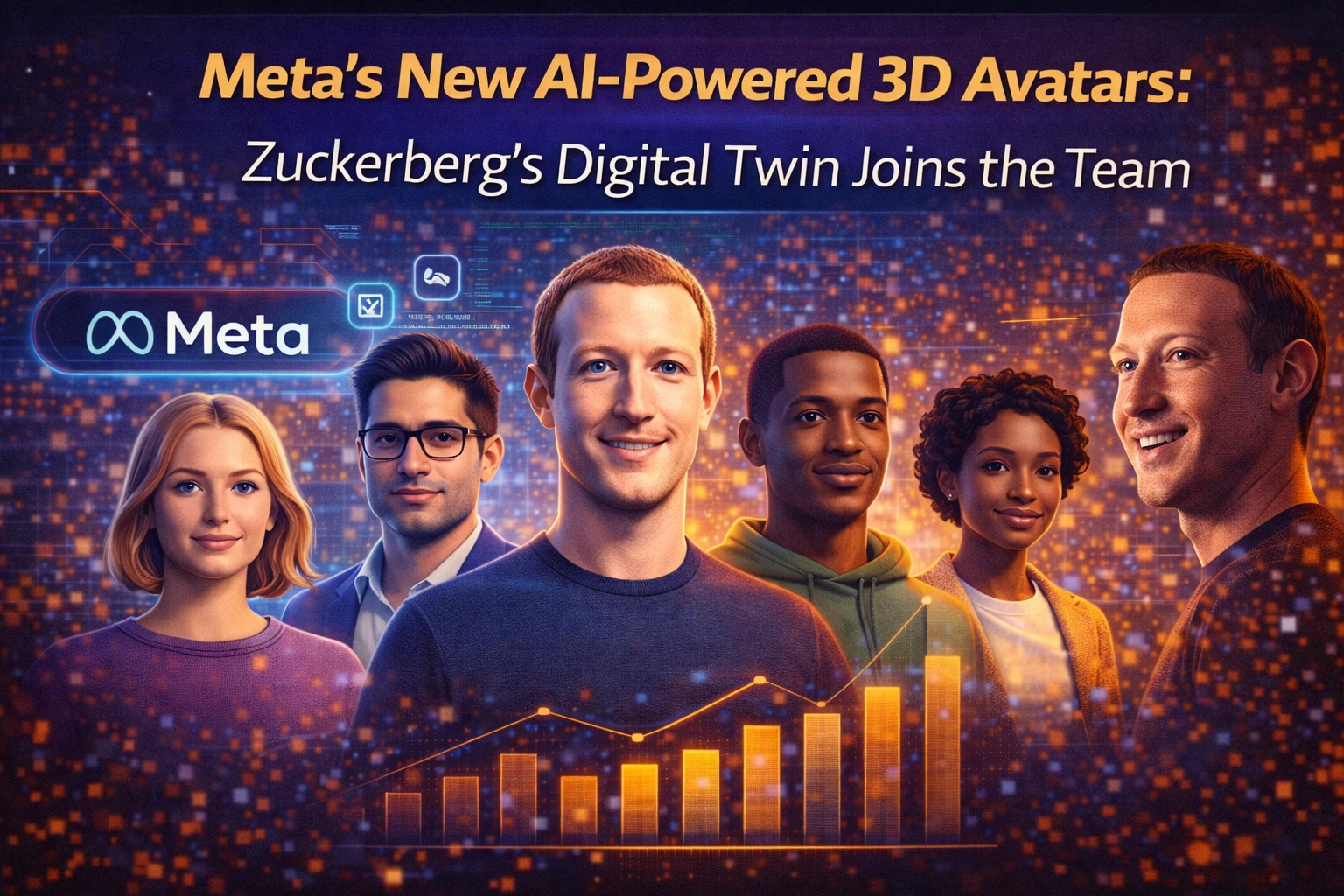
Meta’s research labs have just announced a new generation of photorealistic 3D avatars that run on generative AI. Unlike yesterday’s cartoon‑ish avatars, these new characters look almost human, move naturally and can understand and respond to spoken language. The headline‑grabbing demo featured a digital version of Mark Zuckerberg – a virtual ‘Zuck’ that sat in a meeting, took notes and offered feedback to the team.
How does it work?
The core tech is a mix of diffusion‑based image generation, neural‑rendered animation and large language models (LLMs). First, a high‑resolution scan of a real person is fed into a diffusion model that creates a full‑body mesh with realistic skin, hair and clothing textures. Then a motion‑capture AI predicts how the mesh should move based on audio cues, facial expressions and body language. Finally, an LLM powers the conversational brain – it parses what you say, decides on a reply and even adds a touch of personality.
Mark’s AI twin – the test run
Meta’s internal team asked the AI‑Zuck to review a prototype of the avatar system itself. The virtual Mark listened to a 5‑minute pitch, asked clarifying questions and wrote a short bullet‑point summary that was later shared with the engineers. The whole thing felt like a real‑time brainstorming session with a senior exec who never sleeps.
Why does this matter for India?
1. Remote work & education – With more Indian companies adopting hybrid models, a lifelike AI colleague could make virtual meetings feel less sterile. Imagine a sales trainer in Bangalore who can practice pitches with a virtual customer that reacts like a real person.
2. Customer support – Many Indian e‑commerce sites still rely on text‑only chatbots. A 3D avatar that can read tone, show empathy with facial expressions and speak in regional languages could boost conversion rates.
3. Content creation – Indian creators on YouTube and Instagram spend hours editing videos. An AI‑generated avatar could act as a co‑host, saving time and production costs.
What’s the catch?
Meta isn’t releasing a consumer‑grade product yet; it’s still in the research phase. The biggest hurdles are compute cost and privacy. Rendering a photorealistic avatar in real time needs a powerful GPU – not something every laptop in a tier‑2 city can handle. Also, training a model on personal facial data raises data‑security questions, especially under India’s Personal Data Protection Bill.
TamilTech‑ஓட கருத்து
We think the tech is impressive, but the real test will be adoption. Indian users love visual flair, but they also demand affordability. If Meta bundles this into Horizon Worlds or a low‑cost SDK for developers, we could see a wave of local startups building AI‑driven virtual assistants for banks, telecoms and even government services.
On the flip side, the hype around AI avatars could oversaturate the market. We’ve already seen deep‑fake scandals, and a lifelike Mark Zuckerberg could fuel distrust if not clearly labeled as synthetic. Transparency will be key.
What’s next?
Meta says they’ll open the API to selected partners later this year. Expect early pilots with Indian media houses and maybe a collaboration with a regional language model like Indic‑AI. Keep an eye on Meta’s Horizon platform – the avatar tech will likely land there first.
For now, the takeaway is simple: AI‑generated 3D characters are moving from novelty to a practical tool. If you’re a developer, start experimenting with Meta’s open‑source “MetaHuman” pipeline on GitHub. If you’re a business leader, think about where a lifelike digital assistant could cut costs or improve engagement.





Comments (0)
Be the first to comment!