


What’s the news?
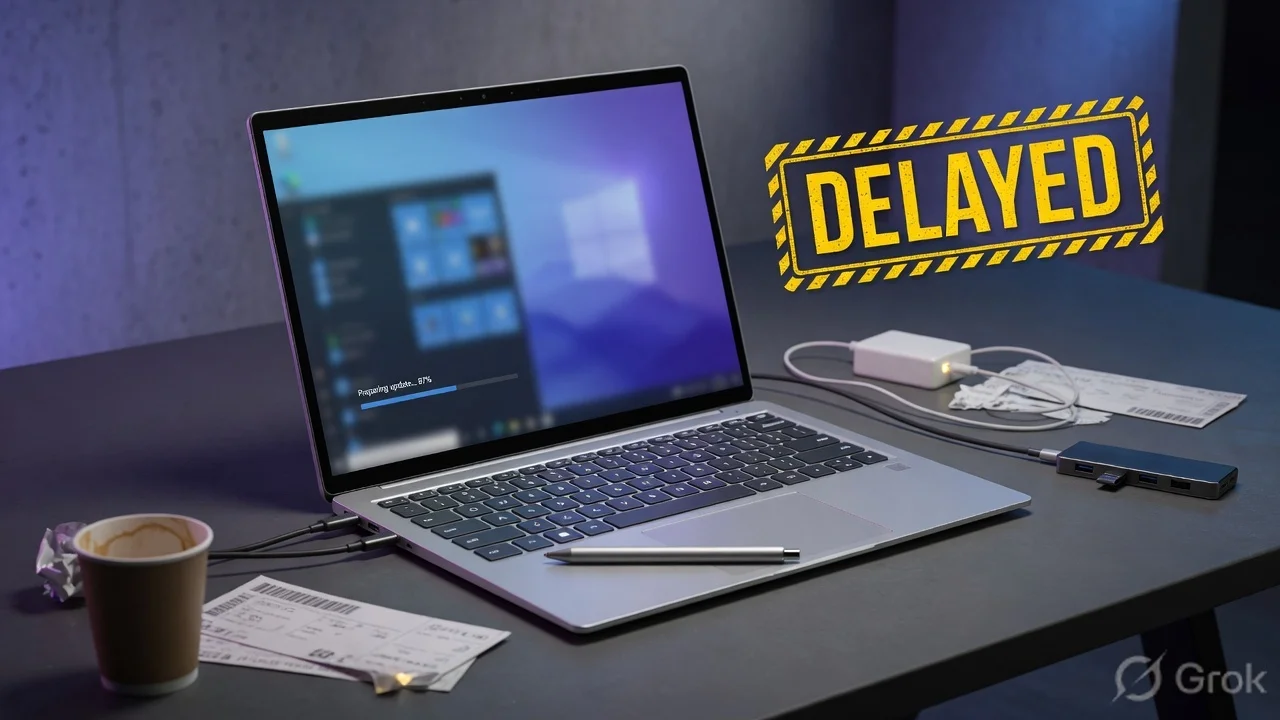
Microsoft has officially confirmed that the next generation Snapdragon X2 ARM processor will be used in a new Surface Pro and a new Surface Laptop, but the rollout has been pushed to the second half of 2026. The company says the shift is forced by a global shortage of key components – mainly the 5nm silicon wafers and the LPDDR5X memory modules that the X2 needs.
Why the delay?
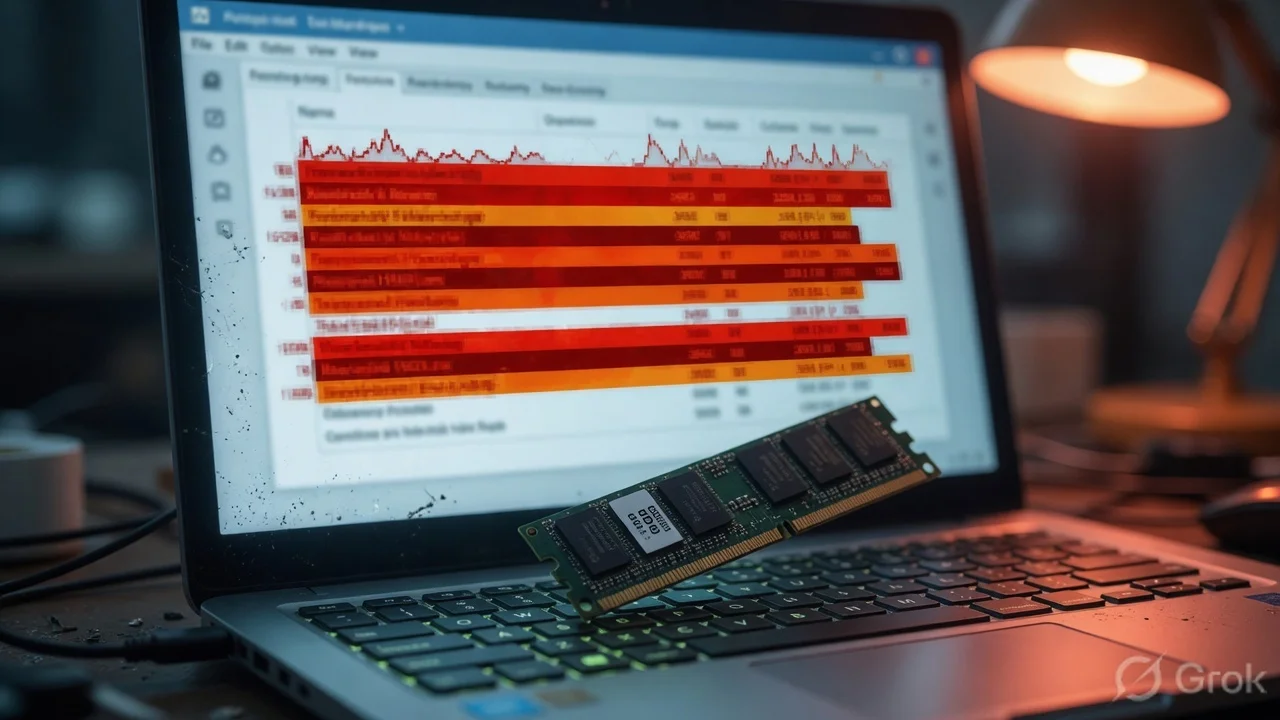
It’s not a tech‑glitch, it’s a supply‑chain issue. The fab plants that produce the 5nm chips are already booked solid for Apple’s A‑series, Qualcomm’s own flagship Snapdragon 8 Gen 3, and the new Windows‑on‑ARM laptops from other OEMs. Add to that the pandemic‑era crunch on high‑speed LPDDR5X RAM, and Microsoft’s got a bottleneck they can’t speed‑up.
What Snapdragon X2 actually brings
The X2 is Qualcomm’s answer to Apple’s M‑series. It packs a 12‑core CPU (6 performance + 6 efficiency), an integrated X‑Series GPU that promises up to 30% more graphics throughput than the current Snapdragon 8 Gen 2, and a 5G modem that supports sub‑6 GHz and mmWave. In benchmarks it hits around 7,000 Geekbench 5 single‑core and 45,000 multi‑core points – numbers that sit comfortably between the current Surface Pro 9 (Intel 12th‑gen) and the upcoming Surface Pro 10 (expected to be Intel‑only).
What this means for Indian buyers
India’s laptop market is price‑sensitive. Most users still buy 15‑inch laptops in the ₹45,000‑₹65,000 range, often on Intel i3 or AMD Ryzen 3 chips. An ARM‑based Surface with Snapdragon X2 would land somewhere in the ₹80,000‑₹1,00,000 bracket, but it would bring native Android app support, longer battery life (up to 15 hours claimed), and always‑on 5G connectivity.
For students and remote workers who rely on Microsoft 365, the X2 could be a game‑changer – you’d get a thin‑and‑light device that never needs a charger for a full workday, and you could hop on a 5G hotspot without a dongle.
Pros and cons – TamilTech’s take
Pros:
- Battery life boost – ARM chips are far more power‑efficient than Intel’s latest.
- Native Android app execution – no need for emulators.
- Always‑on 5G – perfect for on‑the‑go video calls in metros.
- Quiet, fan‑less design – ideal for libraries and cafés.
Cons:
- Higher price tag – even with Indian pricing, expect at least ₹80K.
- Software compatibility – some legacy Win32 apps still run slower on ARM.
- Availability – 2026 is a long wait; competitors may launch similar ARM laptops earlier.
How to prepare for the launch
1. Check your current device: If you’re on an older Intel i5 Surface, start budgeting now. 2. Watch for early‑bird offers: Microsoft usually rolls out special pricing for education and enterprise customers in India. 3. Consider alternatives: If you can’t wait, look at the Samsung Galaxy Book 3 Ultra (Snapdragon 8 Gen 2) which is already available at ₹85,000. 4. Upgrade your accessories: A USB‑C hub with Power Delivery and a good Bluetooth headset will make the most of the X2’s long‑life battery.
What to expect next
Microsoft will likely tease the design at a 2026 Windows Build conference, maybe in Bangalore. Keep an eye on the official Surface blog for a “preview” video – they love showing off the thin chassis and the new “Surface Connect + 5G” port.
In the meantime, the Indian market will see a few more ARM‑based laptops from Lenovo and HP, so the competition will push prices down. By the time the Snapdragon X2 Surface lands, you could be looking at a sub‑₹75,000 model if the supply chain eases.
Bottom line
Microsoft’s delay is disappointing, but it’s realistic. The Snapdragon X2 will finally give the Surface line an ARM alternative that could reshape how Indian students and professionals work on the go. If you can wait, the payoff will be worth it – longer battery, 5G, and a quieter machine. If you need a laptop now, start comparing the current ARM options and set a budget for 2026.



Comments (0)
Be the first to comment!