


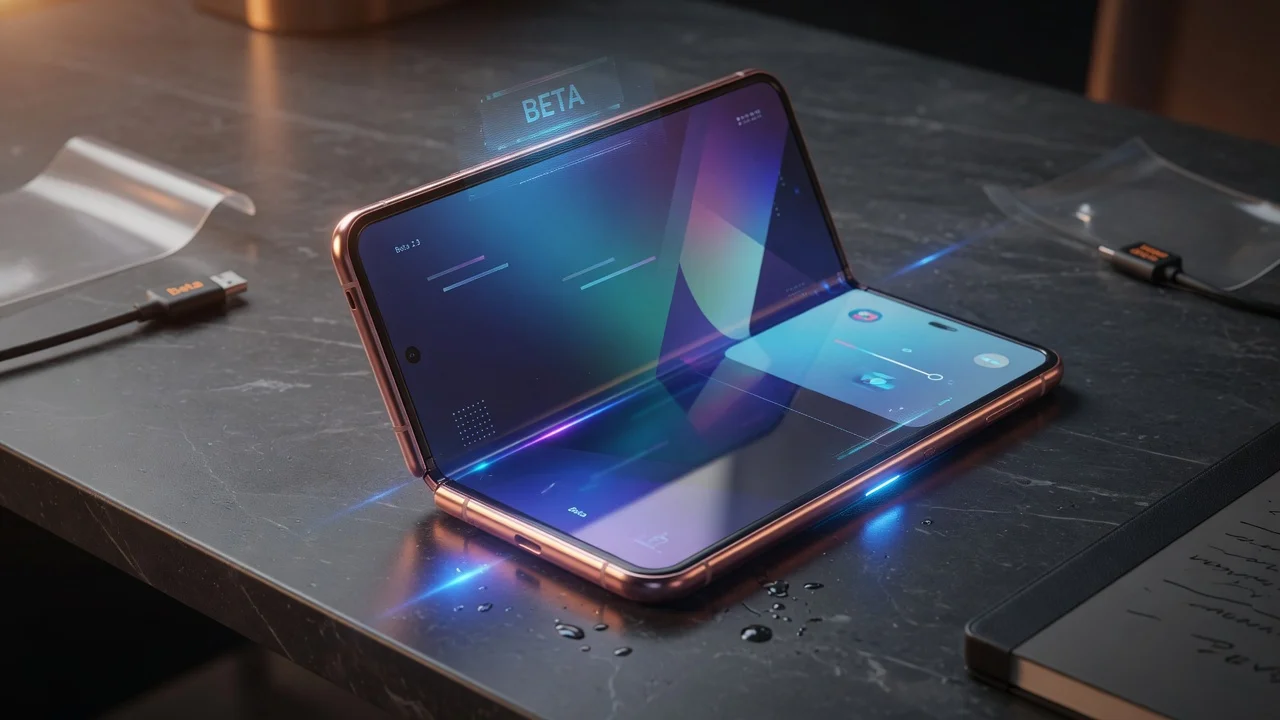
Motorola is Throwing Open the Android 17 Beta Gates
So, here's the thing. Motorola has officially announced that it's rolling out the Android 17 beta to a much wider pool of devices than last year. If you're an early adopter who loves living on the bleeding edge, this is your moment. But if you're just looking to buy a new phone and want something that works perfectly out of the box, you might want to stick to the stable builds for now.
We've been tracking this space for months, and the numbers are wild. While Samsung and Google usually hog the spotlight, Motorola is quietly building a massive roster of supported devices. This year, they're not just testing on their flagship Edge (2025). They've pulled out all the stops, bringing the beta to various Moto G-series phones, the powerful Moto G57 Power, and, of course, their iconic Razr lineup.
What's New in the 2025 Razr+ and 50 Ultra?
The crown jewels of this beta program are the new Motorola Razr+ (2025) and the Razr 50 Ultra. The Razr+ is getting a serious upgrade in terms of its internals, moving to the latest Snapdragon chipset that promises a much smoother foldable experience. The Razr 50 Ultra, on the other hand, is packing a massive battery and a top-tier camera setup that finally competes with the likes of the Samsung Galaxy S series.
For the Indian market, this is a huge deal. Motorola has historically struggled with camera performance and software optimization. If the Android 17 beta on these devices actually delivers on the promised AI features and smoother UI, it could be a game-changer for budget-conscious buyers looking for a premium foldable experience without breaking the bank. We're talking about a potential price point that could easily rival what you'd pay for a standard flagship on Flipkart or Amazon India.
Why Should You Care About Android 17 Beta?
You might be asking yourself, "Why should I care about a beta build?" Well, if you're a developer or just someone who loves tinkering with software, this is your playground. The Android 17 beta brings a slew of new features, including enhanced AI integrations, a revamped notification system, and better battery management. These features are designed to make your daily commute on the metro or your weekend scrolling sessions a lot smoother.
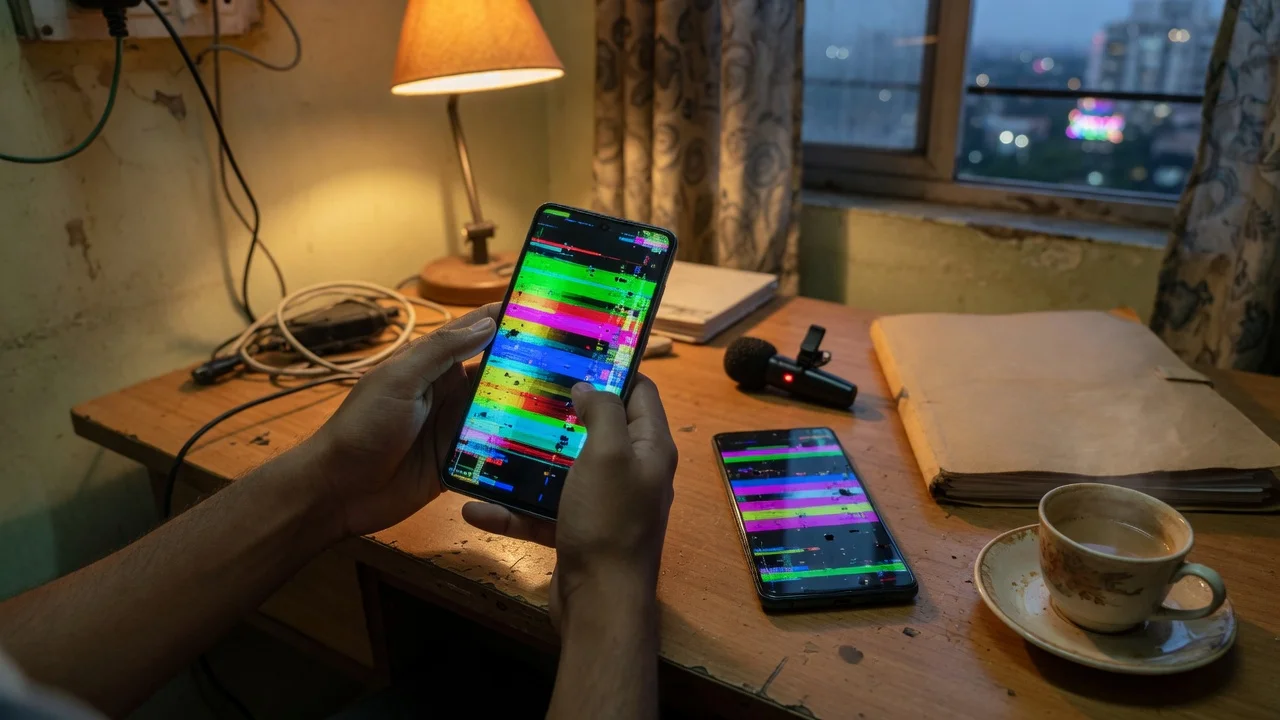
But it's not all sunshine and rainbows. Beta builds are, by definition, buggy. You might experience random crashes, battery drain, or even issues with your UPI apps. I've seen people flash a beta build on their primary device and end up missing important work calls because their phone rebooted itself at the worst possible time. So, if you're not tech-savvy enough to factory reset your phone and reflash a stable ROM, I'd strongly advise against it.
The Good, The Bad, and The Ugly
Let's get real about what you're signing up for. The good news is that Motorola is actually listening to its community this year. They've expanded the list of supported devices, which means more people can test the waters. The AI features in Android 17 are looking promising, especially for Indian users who rely heavily on apps like WhatsApp, Swiggy, and Zomato for their daily needs.
The bad news? Stability. Beta software is never stable. You might find that your phone's camera app crashes when you try to take a photo, or that your battery drains faster than a Jio 5G hotspot on a crowded street. And the ugly? Well, that's the risk of bricking your device. While rare, it's always a possibility when you're flashing unofficial software.
Pros and Cons at a Glance
| Pros | Cons |
|---|---|
| Access to the latest Android 17 features early | High risk of bugs and instability |
| Motorola is expanding device support | Potential battery drain and performance issues |
| New AI integrations for daily apps | Risk of bricking your device |
| Opportunity to shape the final software | No official warranty support on beta builds |
How Does This Compare to the Competition?
When you look at what Samsung and Google are doing, Motorola's approach is actually quite refreshing. Samsung's beta program is usually limited to their flagship devices, and Google's Pixel Beta is great, but it's tied to the Pixel ecosystem. Motorola is taking a more inclusive approach, bringing the beta to mid-range and budget devices like the Moto G57 and Moto G57 Power.
This is a smart move, especially in the Indian market where budget is a major deciding factor. By bringing the beta to more affordable devices, Motorola is essentially democratizing access to cutting-edge software. It's a strategy that could pay off big time if they can nail the software optimization. Right now, though, it's still a bit of a gamble. The competition is fierce, and one bad beta cycle could lose them a lot of potential customers.
What This Means for Indian Users
For the average Indian user, the Android 17 beta on Motorola devices is a double-edged sword. On one hand, you get to experience the latest and greatest software before anyone else. You can test out new features, provide feedback, and feel like you're part of the development process. On the other hand, you're taking a risk with your primary device.
If you're a student or a working professional who can't afford to have their phone act up, I'd recommend waiting for the stable release. But if you're a tech enthusiast who loves to tinker, this is your chance to get your hands on the Motorola Razr+ (2025) and see what it can do. Just make sure you have a backup phone and are prepared to deal with the occasional bug.
The Future Scope: What's Next?
Looking ahead, the Android 17 beta is just the beginning. We're expecting to see more updates and refinements as the development cycle progresses. Motorola will likely be pushing out bug fixes and performance improvements over the next few months. By the time the stable release hits, we should have a much more polished experience.
For the Indian market, this is a crucial time for Motorola. They need to prove that their software is on par with the competition. If they can deliver a stable, feature-rich experience, they could see a significant uptick in sales. The Razr 50 Ultra, in particular, has the potential to be a hit if priced competitively. We're talking about a device that could easily compete with the likes of the OnePlus Nord series on Flipkart.
Final Verdict
So, should you flash the Android 17 beta on your Motorola device? If you're a developer or a hardcore tinkerer, absolutely. It's a great opportunity to test the waters and provide feedback. But if you're an average user who just wants a phone that works, I'd wait for the stable release. The bugs and instability are just not worth the risk for most people.
Motorola is making some bold moves with this beta program, and it's exciting to see them taking a more inclusive approach. The potential for a great user experience is there, but it's going to take some time to get there. For now, just sit back, watch the updates roll in, and maybe keep an eye on the final release. Until then, happy flashing, and may your batteries stay charged.
Quick FAQ
- How do I join the Android 17 beta? You'll need to enroll in the Motorola Beta Program through the official website and flash the beta build on your device.
- Is the beta stable? No, beta software is inherently unstable and may contain bugs.
- Will I lose my warranty? Flashing unofficial software can void your warranty, so proceed with caution.
- Which devices are supported? The list includes the Motorola Edge (2025), Moto G57, Moto G57 Power, Razr+ (2025), Razr+ (2024), and Razr 50 Ultra.




Comments (0)
Be the first to comment!