Key Takeaways#
- OpenAI's upcoming 2027 smart speaker features a hockey puck design with physical moving parts
- Priced at $300+ (roughly ₹25,000+), positioning it as a premium device
- Moving parts will provide physical feedback and personality to interactions
- Indian market impact could be significant despite premium pricing
- Potential integration with local AI services and Indian languages
What's the News#
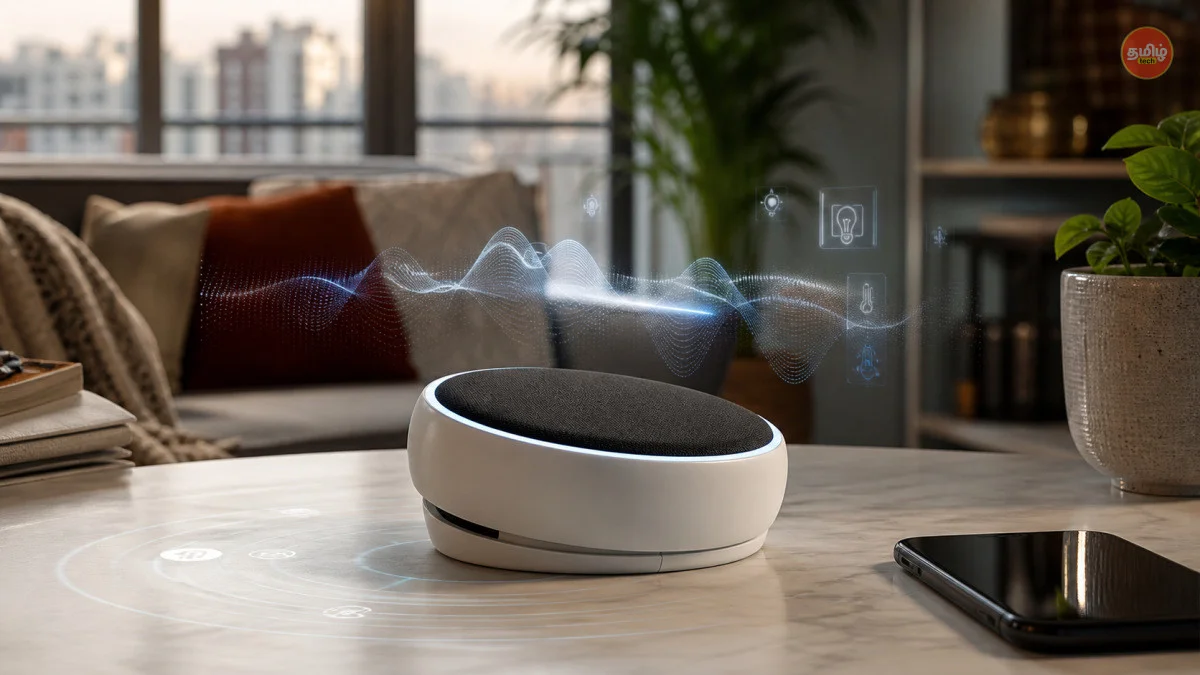
OpenAI is reportedly working on a new hardware device that's set to launch in 2027. The device, described as hockey puck-sized, will incorporate moving parts to give it personality and physical presence. Unlike typical smart speakers that remain static, this device will have mechanical components that move, creating a more engaging interaction experience. The device is expected to cost $300 or more, which puts it in the premium category for smart home devices. While details are still emerging, the combination of OpenAI's AI expertise with physical hardware could create something unique in the market. The timing is interesting - 2027 is still a couple of years away, giving the company time to perfect the hardware and software integration. For Indian consumers, this announcement comes at a time when smart home adoption is growing rapidly, with more people interested in AI-powered devices that can understand local languages and contexts.
Details#
The device is being designed with a distinctive hockey puck form factor, which is different from the cylindrical designs we've seen from
Amazon Echo or Google Nest. The moving parts are particularly interesting - they're not just for show but are designed to provide physical feedback during interactions. This could mean the device physically tilts, rotates, or changes position based on what it's doing or saying. The hardware is expected to include advanced microphones for voice recognition, speakers for audio output, and the necessary processing power to run OpenAI's models locally. The $300+ price point suggests this won't be a budget device, but rather a premium offering aimed at tech enthusiasts and early adopters. The device will likely run a version of OpenAI's models optimized for local processing, ensuring faster response times and better
privacy. It might also include connectivity options like Wi-Fi 6,
Bluetooth, and possibly even cellular connectivity for use without a home network.
India Impact#
For the Indian market, this device could be particularly interesting despite its premium pricing. India has a growing tech-savvy middle class that's increasingly interested in AI and smart home devices. The device's ability to understand Indian languages and contexts could be a major selling point. At around ₹25,000, it would compete with other premium smart home devices in the Indian market. The moving parts and personality could make it more appealing to Indian consumers who often value devices that feel more personal and interactive. The device might also integrate with popular Indian services and platforms, making it more useful for Indian users. Companies like Jio and Airtel might partner with OpenAI to offer special data plans or bundles for the device. The premium pricing might limit its initial adoption to urban areas and tech enthusiasts, but as prices come down in future iterations, it could become more mainstream. The device's ability to handle multiple Indian languages and dialects could be particularly valuable in a country with such linguistic diversity.
Use Cases#
The device could serve multiple purposes in Indian homes. As a smart assistant, it could help with daily tasks like setting reminders, playing music, controlling other smart devices, and answering questions. The moving parts could make these interactions more engaging - for example, the device could physically nod when agreeing or tilt to indicate it's listening. For education, it could serve as an interactive learning companion for children, with the physical movements making learning more engaging. In healthcare, it could remind elderly users to take medications and provide companionship through its physical presence. For entertainment, it could serve as a smart display for watching videos or as a music player with physical feedback that enhances the experience. The device could also be particularly useful in Indian contexts where family members might want to interact with the device together - the physical movements could help indicate whose turn it is to speak or who the device is responding to. The device might also include features specifically designed for Indian users, like integration with UPI for payments, support for Indian festivals and calendars, and knowledge of local customs and traditions.
Honest Take#
While the concept sounds exciting, there are some concerns to consider. The $300+ price point is quite high for the Indian market, where many consumers are price-sensitive. The device's success will depend heavily on how well it understands and responds to Indian accents, dialects, and cultural contexts. The moving parts add complexity and potential points of failure - will they be durable enough for everyday use in Indian homes? The device will also need to compete with established players like
Amazon Echo and Google Nest, which already have a strong presence in the Indian market. However, if OpenAI can deliver on the promise of a more engaging, personality-driven experience, it could carve out a niche in the premium segment. The Indian market has shown that it will embrace premium
technology if the value proposition is strong enough. The device's ability to handle Indian languages and contexts could be a significant differentiator. Ultimately, the device will need to prove that the moving parts and premium price translate into tangible benefits for users. If it can do that, it could be an interesting addition to the Indian smart home market.








Comments (0)
Be the first to comment!