


Key Takeaways
- Over 65% of urban Russian internet users now utilize advanced VPN protocols like V2Ray and Shadowsocks to bypass state-level deep packet inspection.
- The 'Dual-Phone' strategy has become a standard practice, where one device is used for state-monitored local apps and a second, 'clean' device handles global communication.
- International eSIMs purchased with cryptocurrency are being used to maintain non-Russian IP addresses and avoid local ISP tracking.
- The current 2026 crackdown has led to a 400% increase in the use of decentralized mesh networks in major cities like Moscow and Saint Petersburg.
- For Indian users, this situation highlights the importance of digital privacy tools as global internet regulations become more stringent.
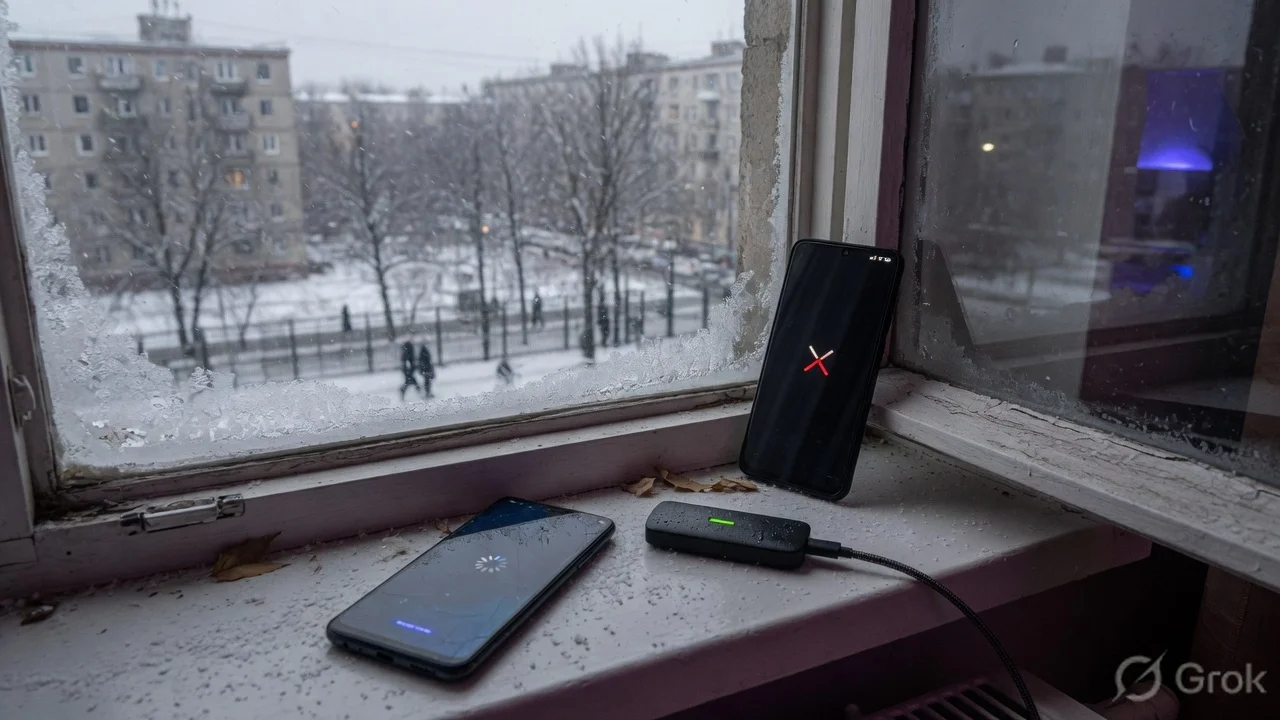
It is June 2026, and the digital landscape in Russia has transformed into something we only used to see in sci-fi movies. If you walk down a street in Moscow today, you might notice something peculiar: almost everyone is carrying two smartphones. No, it is not because they are tech enthusiasts or power users. It is a survival tactic. Since the beginning of this year, the Russian government has significantly tightened its grip on the internet, moving beyond just blocking websites to actively throttling hardware and tracking individual data packets with terrifying precision. At TamilTech, we have been watching this develop, and honestly, the lengths to which people are going to stay connected to the world is both impressive and a bit scary.
The 2026 Digital Lockdown: What Actually Happened?
Earlier this year, the Russian communications authority introduced a new layer to their 'Sovereign Internet' law. They didn't just block YouTube or Instagram; they started targeting the very protocols that make VPNs work. In the past, you could just download a random VPN from the Play Store and it would work. Not anymore. By mid-2026, standard VPN protocols like OpenVPN and WireGuard are being detected and killed instantly by the government's Deep Packet Inspection (DPI) systems. This has created a massive cat-and-mouse game between the state and its citizens. The internet in Russia is now effectively split into two: the 'RuNet,' which is heavily censored and monitored, and the 'Global Web,' which is becoming increasingly hard to reach.
This isn't just about social media anymore. It’s about access to information, global banking, and even software updates. Many developers in Russia can no longer access GitHub or Stack Overflow without jumping through massive hoops. Imagine being a coder and not being able to look up a simple bug fix because the site is blocked. That is the reality in 2026. The government’s goal is clear: total control over the narrative and the data of its citizens. But as we always say at TamilTech, where there is a wall, there is someone building a ladder.
The Two-Phone Strategy: A Hardware Workaround
The most fascinating trend we've seen this year is the 'Two-Phone' lifestyle. Here is how it works: The first phone is the 'Official' device. It has a Russian SIM card, local banking apps, and the state-approved social media platforms. Users know this phone is being monitored, so they use it for everyday tasks like paying for the metro or ordering food. The second phone is the 'Ghost' device. This phone often has no physical SIM card, or it uses an international eSIM bought through a third-party provider using crypto. This second phone never connects to the local cellular network directly; it only connects via encrypted Wi-Fi or mobile hotspots from the first phone using a heavily obfuscated VPN tunnel.
Why go through all this trouble? Because the Russian government has started cross-referencing app usage with identity. If your primary phone—linked to your ID—is caught accessing blocked content, you could face heavy fines or even worse. By separating their digital lives into two physical devices, Russians are creating a 'buffer zone' of safety. It’s a high-tech version of a secret identity. We’ve seen similar things in other countries with high censorship, but the scale in Russia in 2026 is unprecedented. It shows that people value their connection to the global community so much that they are willing to pay for two data plans and carry double the weight just to read the news or watch a video.
The VPN Arms Race: Beyond Simple Apps
As we mentioned, standard VPNs are mostly dead in Russia right now. So, what are people using? The shift has moved toward 'Obfuscation.' This is a technique that disguises VPN traffic to look like regular, innocent web browsing, like a Zoom call or a standard HTTPS request. Protocols like Shadowsocks and V2Ray, which were originally popularized in China, are now the go-to tools for Russians in 2026. These aren't simple 'one-click' apps you find on the App Store. They often require a bit of technical knowledge to set up, which has led to a massive rise in local 'tech consultants'—basically kids who help their neighbors set up private servers for a few Rubles.
Another massive trend this year is the use of 'Residential Proxies.' Instead of connecting to a big data center in Germany or the US (which ISPs can easily block), users connect through the home internet connections of people in other countries. This makes the traffic look like it's coming from a regular house in Chennai or London, making it much harder for the Russian firewall to flag. It’s a decentralized approach to the internet that is proving very difficult for the government to stop. But it’s not perfect; it’s often slow and can be expensive, but for many, it's the only way to see the outside world.
What This Means for India and the Global Context
Now, you might be thinking, 'This is happening in Russia, why should I care in India?' Well, here is TamilTech's take: the technology being tested in Russia today often becomes the blueprint for other countries tomorrow. In India, we've already seen the government implement strict VPN rules where providers are asked to log user data. While we aren't at the level of Russia's 'Great Firewall' yet, the global trend is moving toward more regulation and less privacy. If you value your digital freedom, you need to understand how these tools work. Whether it's for bypassing regional blocks on streaming sites or protecting your banking data on public Wi-Fi, the lessons from Russia are a wake-up call.
In India, we have seen a surge in the use of 'De-Googled' phones and privacy-focused operating systems like GrapheneOS. People are becoming more aware that their data is the new gold. While we don't need to carry two phones just yet, the importance of having a reliable, no-logs VPN and using encrypted messaging apps like Signal is higher than ever. The situation in Russia shows that once the internet is restricted, it's very hard to get those freedoms back. It’s better to be prepared and educated now than to be left in the dark later.
How to Stay Protected: A Practical Guide
If you're worried about your own digital privacy, here is what we recommend at TamilTech. First, stop using free VPNs. If you aren't paying for the product, you ARE the product. Your data is being sold to the highest bidder. Invest in a reputable, paid VPN that has a proven 'no-logs' policy. Second, start using Two-Factor Authentication (2FA) for everything, but avoid SMS-based 2FA if possible. Use apps like Google Authenticator or hardware keys like YubiKey. In a high-surveillance environment, your phone number is your weakest link.
Third, consider using a privacy-focused browser like Brave or Firefox with the right extensions. These browsers block trackers and scripts that websites use to follow you around the web. And finally, keep your software updated. Many of the blocks and tracking methods used by governments rely on old security holes in your OS. By staying updated, you're making it much harder for anyone to peek into your digital life. These are simple steps, but in 2026, they are the difference between being a private citizen and a data point on a government server.
TamilTech's Honest Take
At the end of the day, the internet was designed to be open and borderless. Watching it get carved up into 'national' versions is heartbreaking. The situation in Russia in 2026 is a glimpse into a potential future where the web is no longer a global village but a series of gated communities. While the tech-savvy will always find a way around, the average person is the one who suffers. They lose access to education, global perspectives, and free speech. Our advice? Stay curious, stay informed, and don't take your digital freedom for granted. The 'Two-Phone' strategy is a clever hack, but it's a symptom of a much larger problem that we all need to be aware of.



Comments (0)
Be the first to comment!