


Key Takeaways
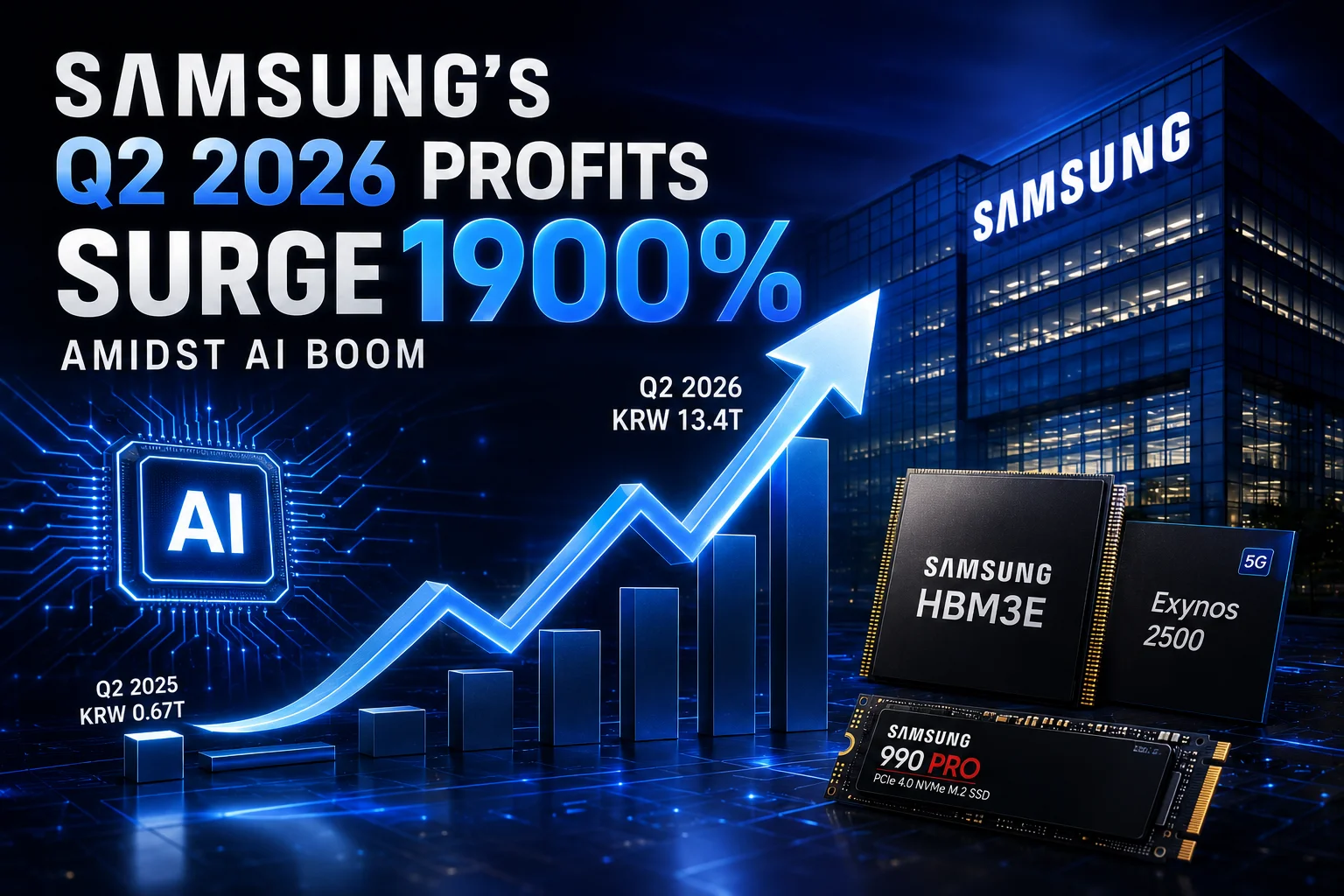
- Samsung's Q2 2026 operating profit hit ~$58.44 billion, representing a staggering 19-fold increase compared to the same period last year.
- Total revenue surged by 129% year-on-year to approximately ~$111.7 billion, driven primarily by the global demand for AI-specific memory chips.
- High Bandwidth Memory (HBM4) and enterprise SSDs for AI data centers have become Samsung's most profitable products in 2026.
- In India, the strong performance of the Galaxy S26 series and the expansion of 'Galaxy AI' features have solidified Samsung's premium market share.
The Comeback Story of the Decade
If you thought Samsung was slowing down, think again. The numbers for the second quarter of 2026 are officially in, and they are absolutely mind-blowing. After a relatively quiet 2024 and a recovery-focused 2025, Samsung has hit a goldmine this year. We are looking at an operating profit of nearly $58.44 billion. To put that into perspective, that is a 19-fold jump from what they earned in Q2 of last year. This isn't just a small win; it's a complete domination of the tech landscape. The market was expecting around $57.02 billion, but Samsung comfortably sailed past those estimates, proving that their bet on artificial intelligence and high-end semiconductors is paying off big time.
So, what exactly changed? Well, the tech world in 2026 is vastly different from what we saw a couple of years ago. Every major company—from Google to Meta to local Indian startups—is building massive AI models. These models need specialized hardware, and Samsung happens to be the king of that hardware. Their total revenue has climbed to $111.7 billion, which is a 129% increase compared to last year. This tells us that people aren't just buying more phones; they are buying the core technology that powers the entire internet. Samsung has successfully transitioned from being just a 'smartphone company' to the backbone of the AI era.
How Did We Get Here? A Look Back at 2025
To understand why this 19-fold jump is so significant, we have to look at where Samsung was. In early 2025, the semiconductor market was still recovering from oversupply issues. Prices for RAM and storage were low, and the mobile market was stagnant. Samsung took a massive gamble by shifting its focus almost entirely toward High Bandwidth Memory (HBM) and next-gen AI chips. They invested billions into their foundries and pushed the boundaries of 2nm and 3nm chip production. This move was risky because if the AI hype had died down, Samsung would have been in serious trouble. Instead, the AI boom accelerated, and by the start of 2026, Samsung was the only company capable of meeting the global demand for high-speed memory at scale.
Another factor was the stabilization of the global economy. By mid-2026, consumer spending power improved, especially in emerging markets like India. People who were holding onto their older phones for three or four years finally decided it was time to upgrade. Samsung’s decision to integrate advanced AI features directly into their mid-range A-series and premium S-series phones created a new wave of demand. They didn't just sell hardware; they sold an 'AI experience' that people actually wanted to pay for. This strategic shift from 2025 to 2026 is exactly why we are seeing these record-breaking numbers today.
The Secret Sauce: HBM4 and AI Data Centers
The real hero behind these numbers isn't the phone in your pocket; it's the chips inside the servers that run ChatGPT, Gemini, and other AI tools. Samsung’s HBM4 (High Bandwidth Memory) has become the industry standard in 2026. These chips are essential for processing the massive amounts of data that AI requires. Because Samsung controls the entire supply chain—from designing the chips to manufacturing them—their profit margins are through the roof. While other companies have to buy components from third parties, Samsung makes almost everything in-house, which is why their operating profit is so much higher than their competitors.
Beyond just memory, Samsung's foundry business has also seen a massive uptick. Many tech giants are now designing their own custom AI silicon and asking Samsung to manufacture it. With the 2nm process now fully optimized in 2026, Samsung is winning contracts that previously went to TSMC. This diversification of income—selling both the memory and the manufacturing service—is a double win. Even if smartphone sales fluctuate, the demand for data center hardware is only going up, providing Samsung with a very stable and incredibly profitable revenue stream for the foreseeable future.
The India Impact: Galaxy S26 and AI Adoption
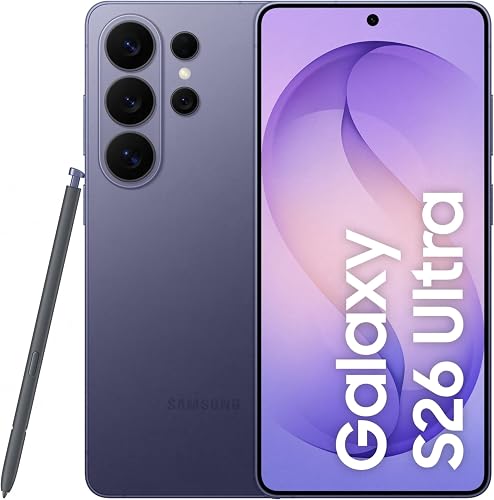
In India, Samsung's story is just as impressive. The Galaxy S26 series, which launched earlier this year, has been a massive hit on platforms like Flipkart and Amazon India. Why? Because Samsung finally nailed the 'India-specific AI' features. We are talking about real-time voice translation for over 10 Indian languages, AI-driven photography that handles the diverse lighting conditions of Indian festivals, and deep integration with UPI for secure, one-tap payments through Samsung Wallet. These aren't just gimmicks; they are features that Indian users use every single day.
Moreover, the pricing strategy in India has been aggressive. By offering great exchange bonuses and No-Cost EMI options through Samsung Finance+, they've made premium phones accessible to the middle class. We've seen a huge shift where users who used to buy ₹20,000 phones are now comfortable spending ₹50,000 or more on a Samsung device because of the perceived longevity and the 'Galaxy AI' ecosystem. This 'premiumization' of the Indian market is a major reason why Samsung’s revenue from the mobile division has contributed so heavily to that $111.7 billion total. India is no longer just a budget market; it's a premium powerhouse for Samsung in 2026.
Step-by-Step: How Samsung's AI Ecosystem Works in 2026
If you've bought a Samsung device recently, you've probably noticed it feels 'smarter' than before. Here is how their 2026 ecosystem actually works for a regular user. First, when you set up your new Galaxy S26, the 'Smart Switch' doesn't just move your photos; it uses AI to organize your entire digital life, suggesting which apps you actually need based on your usage patterns. Second, the 'Live Translate' feature is now built into the system level, meaning you can take a call from someone speaking German or Hindi and hear it in your preferred language instantly without any lag, thanks to the on-device NPU (Neural Processing Unit).
Third, the camera experience has been completely overhauled. In 2026, Samsung's AI 'Object Re-imagining' allows you to not just remove people from the background, but actually change the lighting or the time of day in a photo after it’s been taken. All of this happens locally on the phone, ensuring your data stays private. Finally, the integration with SmartThings has reached a point where your phone can predict when you'll be home and adjust your AC or lights automatically. This seamless connection between mobile, home appliances, and AI services is what keeps users locked into the Samsung ecosystem, making it very hard for them to switch to a competitor.
Comparison: Samsung vs. The Competition
How does Samsung stack up against the likes of Apple and Google in 2026? While Apple still holds a strong grip on the high-end luxury segment with the iPhone 17 series, Samsung has the advantage of variety. Samsung offers everything from the budget-friendly M-series to the futuristic Z Fold 8. In terms of raw AI performance, Samsung's partnership with Qualcomm and their own Exynos 2600 chips (which are surprisingly good this year) have put them slightly ahead of Google’s Pixel 10 in terms of hardware efficiency. Google still has the edge in software-first AI, but Samsung’s hardware is simply more powerful for heavy tasks like gaming and multi-tasking.
The real battle is in the foldable market. In 2026, Samsung faces stiff competition from Chinese brands like OnePlus and Xiaomi, who are launching incredibly thin foldables. However, Samsung’s reputation for durability and their superior software optimization (One UI 8.0) gives them an edge in the Indian market. Most Indian buyers still prefer the peace of mind that comes with Samsung’s extensive service network over a slightly thinner phone from a brand with fewer service centers. This trust, combined with their massive R&D budget, is why Samsung continues to lead even when the competition gets tough.
TamilTech’s Honest Take: What’s Next for Samsung?
At TamilTech, we’ve been watching Samsung’s journey for years, and this Q2 2026 result is nothing short of legendary. What we think is most interesting is that Samsung isn't just winning because they make good phones; they are winning because they own the 'ingredients' that everyone else needs. Even if you buy a non-Samsung phone, chances are the RAM, the storage, or the display was made by Samsung. They are essentially taxing the entire tech industry's growth. This 19-fold profit jump is a clear signal that the semiconductor cycle is at its peak, and Samsung is the one riding the wave.
Looking ahead, the challenge for Samsung will be maintaining this momentum. AI demand is high now, but will it stay this way in 2027? We expect Samsung to double down on 'On-Device AI' to reduce their dependence on cloud servers. Also, keep an eye on their expansion into the automotive sector. With AI-powered cars becoming more common in India, Samsung’s chips and displays are going to show up in your next electric vehicle too. If you are a Samsung user or a tech enthusiast, this is an exciting time. The 'Samsung Era' of the AI revolution is officially here, and based on these numbers, they aren't going anywhere anytime soon.





Comments (0)
Be the first to comment!