Key Takeaways#
- Indian space startups raised over ₹8,500 crore in VC funding during 2026 Q1, a 340% YoY increase
- New satellite propulsion systems reduce launch costs by 40% and extend satellite lifespans
- ISRO's 2025 policy reforms opened doors for private satellite operations
- Space tech startups now valued at an average of ₹450 crore each
- Global space economy projected to reach $1 trillion by 2040, with India capturing 8% share
What's the News#
The space tech landscape is witnessing an unprecedented transformation as innovative satellite propulsion systems, often dubbed 'jetpacks for satellites', are revolutionizing the industry. These compact thruster systems enable satellites to maneuver, extend their operational life, and even deorbit safely at end-of-life. The
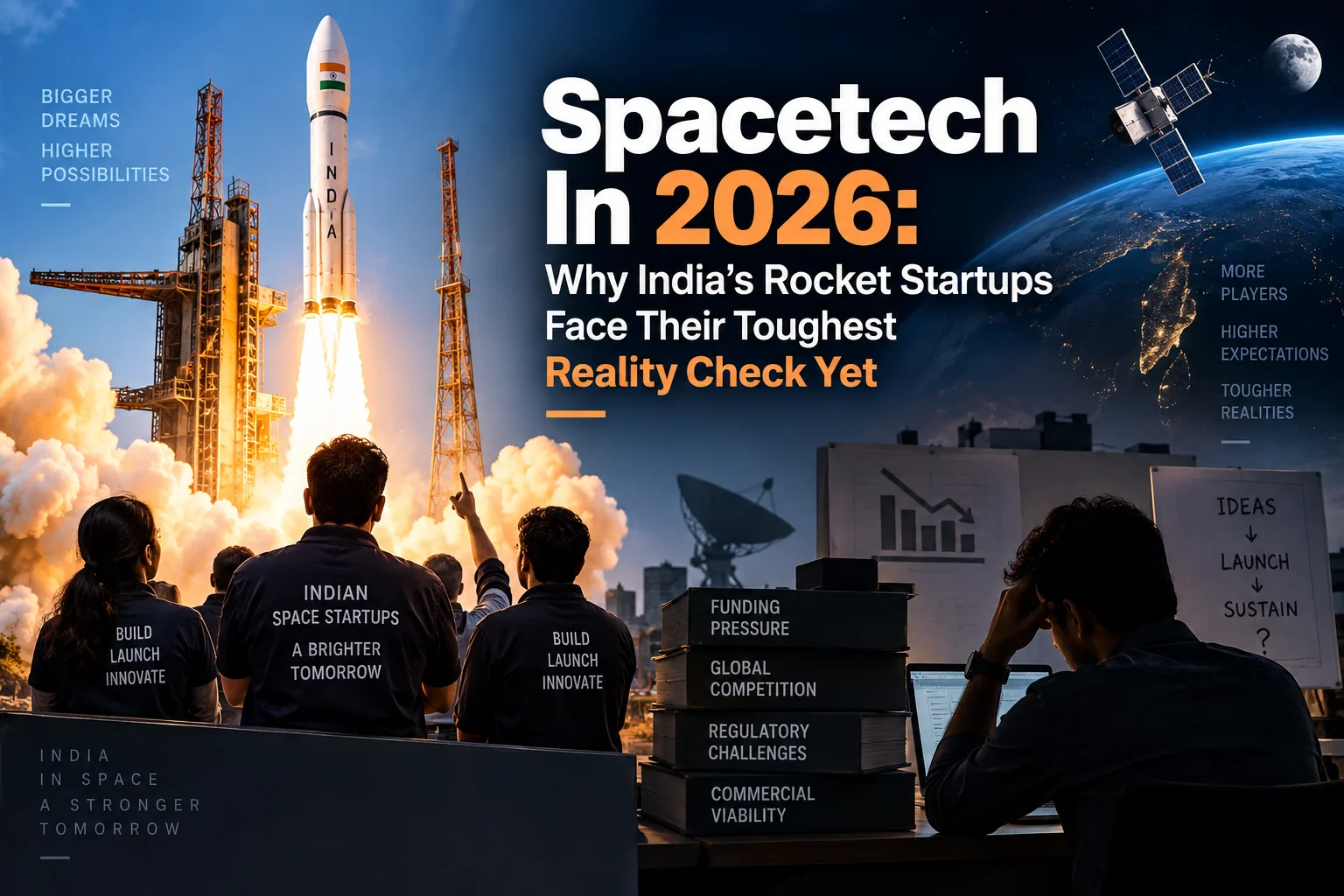
technology breakthrough has triggered a massive venture capital influx, with Indian space startups collectively raising over ₹8,500 crore in first-quarter 2026 alone. This represents a staggering 340% year-over-year growth, signaling investor confidence in India's space sector potential. Major VC firms from Silicon Valley and Mumbai are racing to fund startups developing in-space propulsion, satellite servicing, and orbital debris management solutions. The surge in funding comes as ISRO's 2025 policy reforms finally opened the Indian space sector to private enterprise, creating a fertile ground for innovation and commercialization.
Details#
Satellite jetpack technology works on similar principles to traditional jet propulsion but adapted for the vacuum of space. These systems typically use electric propulsion, Hall-effect thrusters, or cold gas technology to provide precise orbital adjustments. Unlike traditional chemical rockets that burn fuel quickly, these systems are highly efficient, consuming minimal propellant while delivering maximum thrust over extended periods. The key innovation lies in miniaturization - what once required entire spacecraft can now fit into a compact module weighing just a few kilograms. Startups like Bellatrix Aerospace and Pixxel are leading the charge with their proprietary propulsion systems that can extend satellite lifespans from 5 years to over 15 years. The technology also addresses the growing problem of space debris, enabling satellites to perform controlled deorbiting maneuvers, reducing collision risks in low Earth orbit. The market for in-space propulsion is expected to grow from $3.2 billion in 2025 to $12.8 billion by 2032, creating massive opportunities for early movers.
India Impact#
India's space sector is experiencing a renaissance, driven by both technological advancement and favorable policy changes. The government's 2025 space policy reforms dismantled decades of monopoly, allowing private companies to build, launch, and operate satellites. This has unleashed a wave of entrepreneurship, with over 150 space tech startups now operating across the country. The impact extends beyond just technology - it's creating high-skilled jobs for engineers, data scientists, and space experts. Several Indian universities have launched specialized space technology programs, feeding talent directly into the industry. The economic multiplier effect is significant - every ₹1 crore invested in space tech generates approximately ₹3.5 crore in ancillary economic activity through supply chain development, research collaborations, and skill development programs. States like Karnataka, Tamil Nadu, and Gujarat are emerging as space tech hubs, offering specialized incubators and funding mechanisms.
Use Cases#
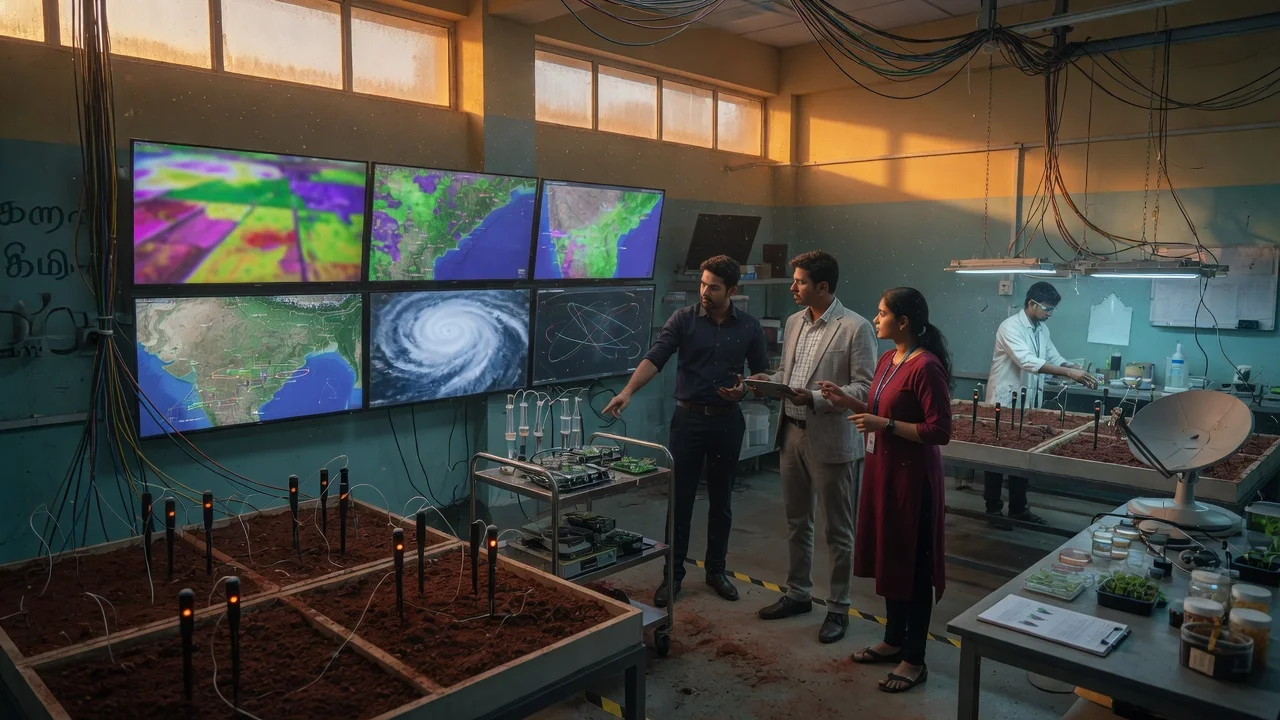
Satellite jetpack technology opens numerous commercial applications across various sectors. In telecommunications, it enables constellation satellites to maintain optimal positioning, improving internet connectivity in rural areas through providers like Jio and Airtel. Earth observation companies use the technology to keep their imaging satellites at precise altitudes for consistent data collection, benefiting agriculture, disaster management, and urban planning. The technology also enables satellite refueling and servicing, extending the life of expensive assets worth crores of rupees. For defense applications, precise orbital control enhances surveillance capabilities and communication
security. The technology is crucial for emerging applications like satellite internet constellations, space tourism infrastructure, and future Mars missions. Even traditional satellite operators are adopting these systems to reduce their operational costs and improve service reliability. The military applications are particularly significant, with both domestic and international defense agencies showing keen interest in India's propulsion technology.
Honest Take#
While the satellite jetpack revolution and VC boom are exciting, we need to maintain realistic expectations. The technology is still maturing, and widespread adoption faces challenges including high development costs, regulatory hurdles, and the need for specialized talent. However, India's unique position - combining technical excellence, cost advantages, and growing government support - makes it well-positioned to capture a significant share of the global space market. The VC influx, while impressive, must translate into sustainable
business models rather than just valuation inflation. The real test will be whether these startups can develop commercially viable products that compete globally. That said, the convergence of technology, policy, and capital creates a rare opportunity for India to establish itself as a space tech powerhouse. The next 5 years will be critical in determining whether this momentum translates into long-term competitive advantage or fizzles out as hype. For investors and entrepreneurs, the key is focusing on practical applications with clear revenue models rather than getting carried away by the space fever.
Frequently Asked Questions#
- Q: How much do satellite jetpack systems cost?
A: Current systems range from ₹15-50 lakh for small satellites to over ₹5 crore for large commercial platforms, with costs decreasing as technology matures.
- Q: Can these systems work with existing satellites?
A: Yes, many startups offer retrofitting services, though effectiveness depends on the satellite's design and remaining fuel capacity.
- Q: How long do these systems extend satellite life?
A: Typically 5-10 additional years, though some advanced systems claim up to 20 years of extended operation.
- Q: Is ISRO supporting private space companies?
A: Yes, ISRO has established multiple programs including technology transfer, testing facilities, and launch partnerships for private entities.
- Q: What skills are needed for space tech careers?
A: Strong foundation in aerospace engineering, physics, computer science, and data analytics, with growing demand for AI/ML expertise.






Comments (0)
Be the first to comment!