



Key Takeaways
- TikTok agreed to pay $400 million to settle US children's privacy lawsuit after DOJ alleged COPPA violations
- The settlement requires TikTok to implement stricter age verification for users under 18
- Indian users may experience changes in how TikTok handles accounts of minors
- This settlement could affect TikTok's growth strategy in the competitive Indian market
- The platform must delete personal data of children under 13 and obtain parental consent for users 13-15
What's the News
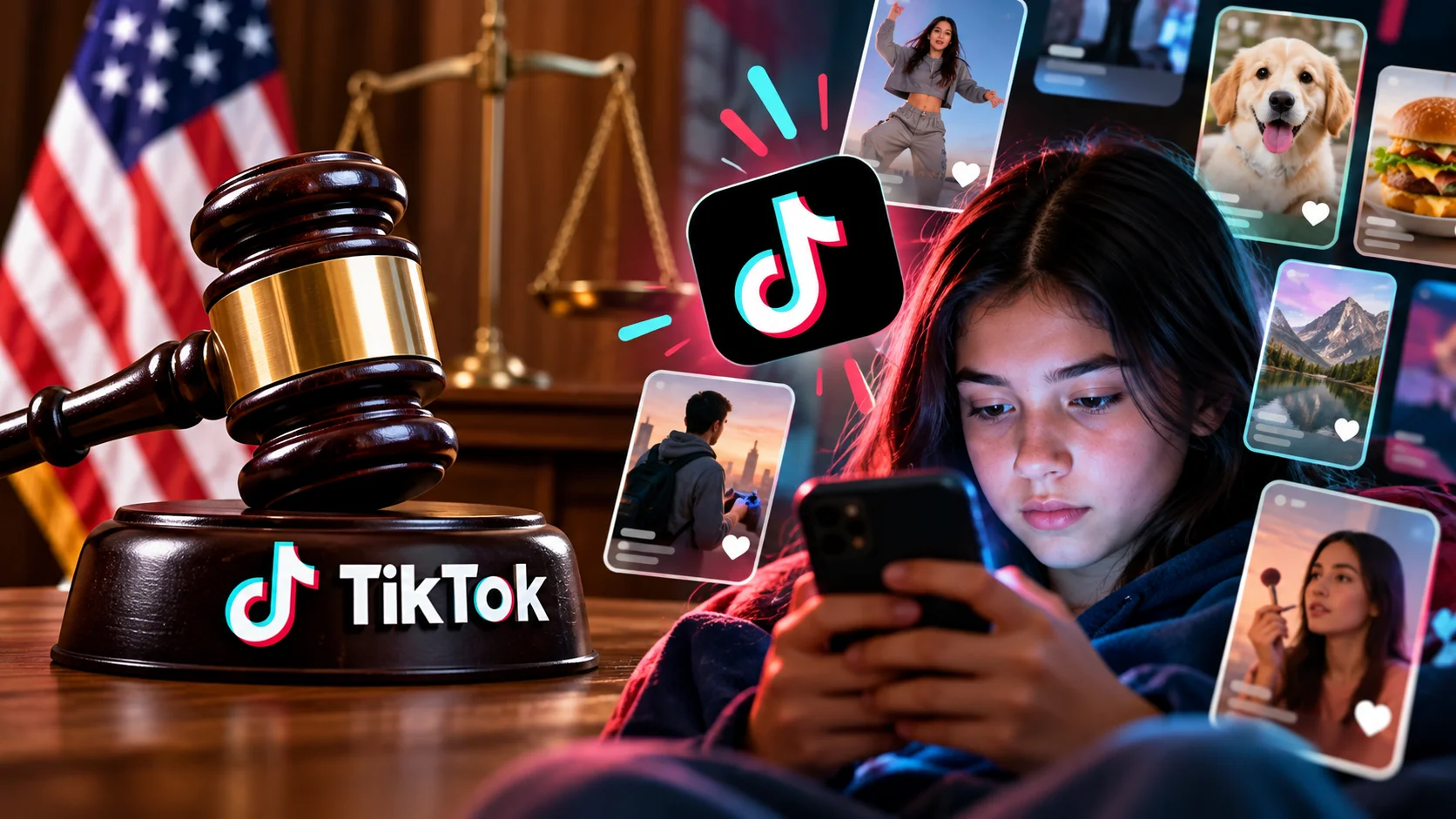
TikTok has reached a $400 million settlement with US authorities over allegations that the platform violated children's privacy laws. The agreement comes two years after the US Department of Justice accused TikTok of collecting personal data from children under 13 without parental consent, violating the Children's Online Privacy Protection Act (COPPA). The settlement marks a significant moment for TikTok, which has faced increasing scrutiny over its data practices and content moderation policies. While the case was filed in the United States, its implications extend globally, including to TikTok's massive user base in India, where the platform continues to compete with homegrown alternatives like Moj and Josh.Details of the Settlement
Under the terms of the agreement, TikTok will pay $400 million in civil penalties and implement comprehensive changes to its data collection practices for minors. The platform must delete personal information of children under 13 who used the service and will need to obtain verifiable parental consent before collecting data from users between 13 and 15 years old. TikTok will also be required to establish a more robust age verification system to prevent children from lying about their age when signing up. The company must conduct regular compliance audits and submit to independent monitoring for the next 20 years to ensure adherence to the settlement terms. The settlement includes provisions for TikTok to provide clearer privacy notices and more transparent information about how it collects and uses data from young users. The platform will also need to train its employees on children's privacy requirements and implement internal controls to prevent future violations.India Impact
For Indian users, this settlement could mean significant changes to how TikTok handles accounts belonging to minors. India has one of TikTok's largest user bases outside China, with millions of young users creating and consuming content on the platform. The settlement may force TikTok to implement stricter age verification measures in India, potentially requiring users to provide additional documentation or use government-issued IDs to verify their age. This could create friction for users, especially younger ones who might struggle to provide proper verification. Indian parents and regulators will likely pay close attention to how TikTok implements these changes. The platform has faced scrutiny in India before, particularly regarding data security concerns and content appropriateness for younger audiences. The recent ban on several Chinese apps, including TikTok's predecessor, has made the Indian market particularly sensitive to data privacy issues.Use Cases and Platform Changes
TikTok will need to redesign several aspects of its platform to comply with the settlement. The platform must create separate experiences for different age groups, with stricter privacy controls for users under 18. This could include limiting data collection, adjusting content recommendations, and implementing more robust parental controls. For creators, especially those who target younger audiences, the settlement may require changes to how they interact with and collect data from their followers. Educational content creators who work with schools and young students might need to reconsider their approach to engaging with minor audiences. The platform will likely introduce new features specifically designed for younger users, such as enhanced privacy settings, restricted data collection, and age-appropriate content filters. These changes could make TikTok less appealing to some younger users who value the platform's current level of personalization and engagement.Honest Take
While the $400 million settlement is substantial, it represents a small fraction of TikTok's overall revenue and valuation. The real impact of this agreement will be felt in how the platform operates going forward, particularly regarding its approach to young users. For Indian users, this settlement could be a double-edged sword. On one hand, it may lead to a safer environment for children on the platform with better privacy protections. On the other hand, stricter age verification and data collection restrictions might make TikTok less engaging and personalized for younger users. The settlement also highlights the growing global scrutiny of social media platforms and their responsibility to protect young users. As more countries implement stricter regulations around children's online privacy, platforms like TikTok will need to balance user experience with compliance requirements. For TikTok's future in India, this settlement comes at a challenging time. The platform continues to compete with homegrown alternatives that may have advantages in terms of data localization and regulatory compliance. The changes required by this settlement could make it harder for TikTok to differentiate itself in the increasingly competitive Indian market.Frequently Asked Questions
Q1: How will this settlement affect TikTok's availability in India?
A: The settlement doesn't directly affect TikTok's availability in India, but it may lead to changes in how the platform operates for Indian users, particularly regarding age verification and data collection practices.
Q2: Will TikTok be banned in India because of this settlement?
A: No, this settlement is specifically about children's privacy violations in the US. It doesn't automatically lead to a ban in India, though it may influence how Indian regulators view the platform.
Q3: What happens if TikTok violates the settlement terms?
A: TikTok would face additional penalties and potential legal action. The settlement includes provisions for ongoing monitoring and compliance checks for the next 20 years.
Q4: How does this compare to other social media platform settlements?
A: TikTok's $400 million settlement is significant but not unprecedented. Other platforms have faced similar settlements for privacy violations, though the specific requirements and monitoring periods vary.
Q5: Will Indian parents have more control over their children's TikTok usage?
A: The settlement may lead to enhanced parental controls and verification options, though the exact implementation details for Indian users remain to be seen.





Comments (0)
Be the first to comment!