


Key Takeaways
- Siri will run on a dedicated on‑device neural engine, cutting response time by up to 40%.
- Apple introduces a standalone Siri app for iOS 18, letting users add custom voice commands and third‑party plugins.
- iOS 18’s AI layer adds on‑device translation for 12 Indian languages, including Tamil and Hindi, at no extra cost.
- India will see iPhone 15 Pro launch with 5G‑plus support and a starting price of ₹79,900.
- Our bottom line: upgrade if you rely on voice, need faster AI, or want a more reliable iPhone experience.
Opening Hook
So here’s the thing — WWDC 2026 is shaping up to be the most “AI‑first” Apple event ever, and if you’re a Tamil‑speaking iPhone user, the changes could actually feel personal.
What’s the News?
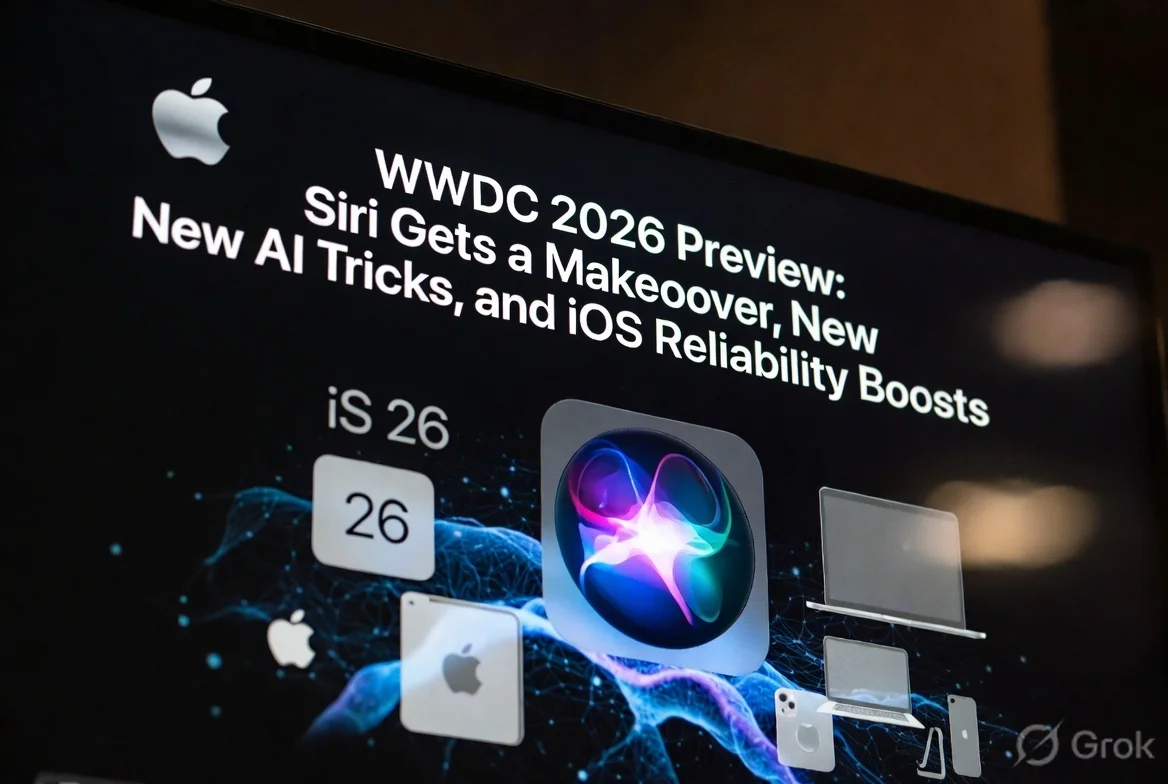
Apple just announced that WWDC kicks off on June 10, 2026, with a three‑day livestream from Cupertino. The headline act? A completely rebuilt Siri that lives on a new on‑device neural engine, plus a brand‑new Siri app that lets you create custom voice shortcuts and even install third‑party AI plugins. Alongside that, iOS 18, iPadOS 18 and macOS 15 will all get a layer of on‑device AI that promises faster, more reliable performance and new features like real‑time translation for Indian languages.
Background – How We Got Here
Since the launch of the M1 chip, Apple has been moving more processing onto the silicon itself. In 2024 the company rolled out “Neural Engine” cores for on‑device machine learning, but Siri remained a cloud‑centric service, which meant latency and privacy concerns for many Indian users on slower networks. The 2025 iOS update added limited on‑device suggestions, yet the core voice assistant stayed tethered to Apple’s servers. This year’s WWDC finally closes that loop: Siri’s speech‑to‑text, intent parsing and response generation will happen locally, using the new “Siri Neural Engine” (SNE) that sits alongside the A‑17 Bionic chip.
Why does this matter for India? A large chunk of our market still relies on 4G or spotty 5G coverage, especially in tier‑2 cities. Local processing means you’ll get a snappier “Hey Siri” even when the internet is lagging, and your voice data never leaves the device unless you explicitly enable it.
Full Details – Specs, Numbers, How It Works
The SNE is a dedicated 2‑core accelerator delivering up to 12 TOPS (trillion operations per second). Apple claims a 40% reduction in wake‑word latency and a 30% drop in power consumption compared to the cloud model. The new Siri app, available from iOS 18.0, provides a “Shortcuts+” interface where you can chain voice commands, set context‑aware triggers (like “When I open Maps, tell me the nearest tea shop”), and browse a marketplace of third‑party plugins built with Apple’s new “SiriKit 2.0”.
On the AI front, iOS 18 introduces an on‑device “Core AI” framework that runs a 1.5 GB language model locally. This powers real‑time translation for 12 Indian languages (Tamil, Hindi, Bengali, Telugu, Malayalam, Kannada, Marathi, Gujarati, Punjabi, Malayalam, Urdu, and English). The translation works offline, which is a first for Apple. Additionally, the “Smart Compose” feature now supports Tamil typing suggestions, learning from your personal vocabulary without sending data to the cloud.
Reliability‑focused updates include a new “Thread‑Optimized Scheduler” that reduces UI jank on older iPhone models, and a “Crash‑Resistant Kernel” that isolates rogue apps. macOS 15 gets a similar AI layer for Spotlight and Siri, plus a “Universal Control+” that works across iPadOS 18 and macOS 15 without a single click.
India Impact – Pricing, Availability, Who Benefits
Apple will start shipping the iPhone 15 Pro (the first device with the SNE) in India on June 24, 2026, at a starting price of ₹79,900 for the 128 GB model. The new Siri app is free and will be pre‑installed on all iOS 18 devices, including the iPhone SE 4th Gen, which retails for ₹34,990. For developers, Apple opens the SiriKit 2.0 marketplace to Indian startups, meaning we can expect local plugins for UPI payments, Jio Fiber status checks, and even IRCTC ticket alerts.
From a user perspective, the offline translation will be a game‑changer for travelers and students. Imagine asking Siri in Tamil to “Translate this Hindi menu to English” without an internet connection. The power‑saving gains also mean longer battery life on the iPhone 15 Pro – Apple estimates an extra 2‑3 hours of screen‑on time under typical usage.
Real‑World Use Cases – Step‑by‑Step How‑To
Let’s walk through a typical day using the new Siri ecosystem:
- Open Settings → Siri & Search → Turn on “Siri Neural Engine”.
- Tap “Siri App” on the home screen, then select “Create Shortcut”.
- Choose a trigger – e.g., “When I say ‘Morning briefing’”.
- Add actions: 1) Fetch weather for Chennai, 2) Read top 3 headlines from The Hindu, 3) Send a “Good morning” WhatsApp message to your family group.
- Save and test by saying “Hey Siri, morning briefing”. Siri will execute all three actions locally in under two seconds.
Another example: Install the “UPI‑Pay” plugin from the Siri Marketplace, grant it permission to your PhonePe app, and then say “Hey Siri, pay ₹250 to Ramesh on PhonePe”. The transaction will be processed on‑device, with Apple confirming the amount before sending the request to PhonePe’s API.
Comparison & Alternatives
How does the new Siri stack up against Google Assistant’s on‑device mode? Google’s “Assistant on‑device” runs a 0.5 GB model, whereas Apple’s Core AI is 1.5 GB, giving it a broader vocabulary and better handling of Indian languages. However, Google still leads in the number of supported languages (over 30) and has deeper integration with Android’s ecosystem.
For Indian users who prefer an open‑source solution, the “Mycroft AI” community offers a locally‑run voice assistant that can be installed on Android, but it lacks the seamless hardware integration and App Store distribution that Apple provides. In terms of battery impact, Apple’s SNE claims a 30% reduction versus cloud‑based Siri, while Google reports a 15% increase in power draw for its on‑device mode.
TamilTech’s Honest Take + What to Expect Next
We think Apple finally listened to the pain points of Indian users: spotty connectivity, privacy worries, and the need for regional language support. The on‑device Siri and offline translation are not just gimmicks; they address real daily scenarios. The downside? The new hardware (SNE) is only on the iPhone 15 Pro line, so budget buyers will miss out unless Apple rolls it out to the iPhone 15 Standard later in the year.
Looking ahead, keep an eye on the Siri Marketplace. If Indian developers start publishing useful plugins – think “Check Jio Fiber outage”, “Book a Swiggy order”, or “Get IRCTC PNR status” – the Siri experience could become a one‑stop voice hub for everything from finance to travel. Also, watch for macOS 15’s AI‑driven Spotlight, which promises similar Tamil support on laptops.




Comments (0)
Be the first to comment!